
Last updated November 15, 2026
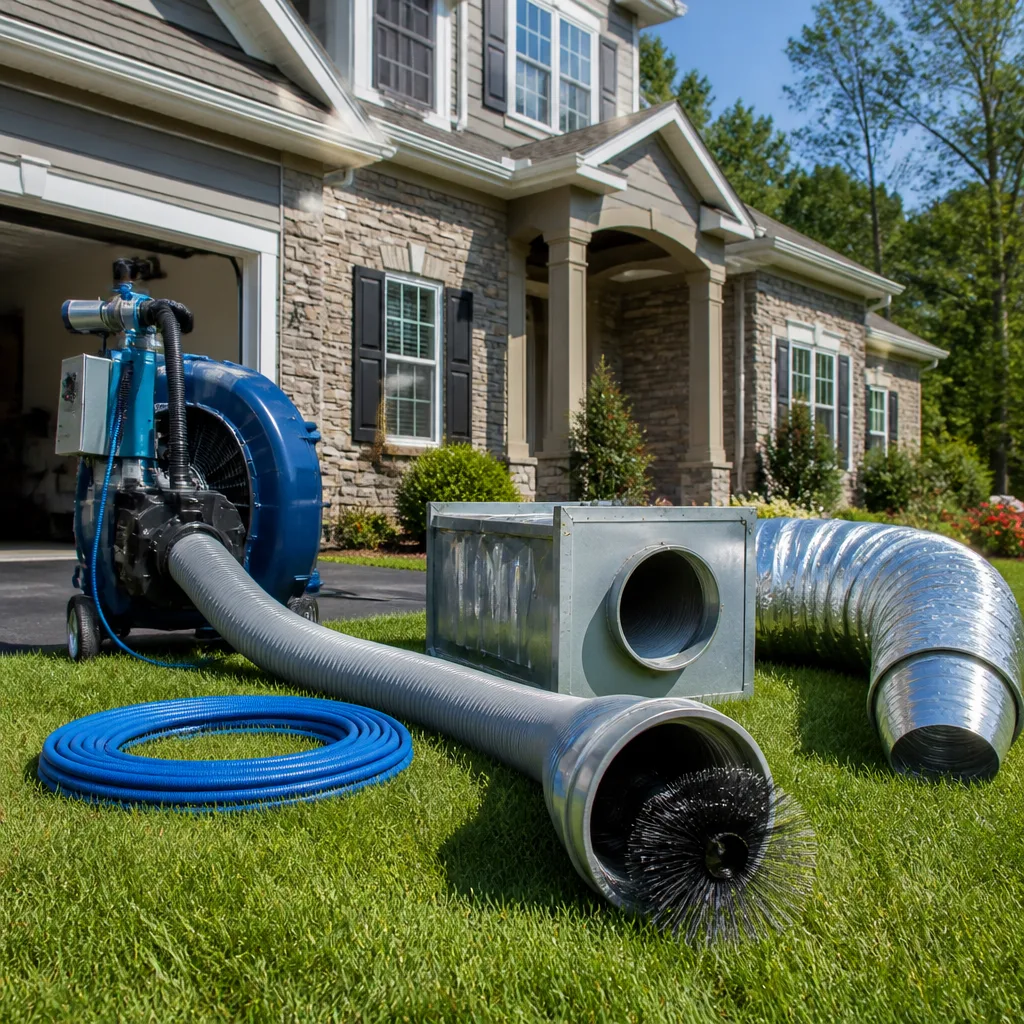 Whole-home duct cleaning
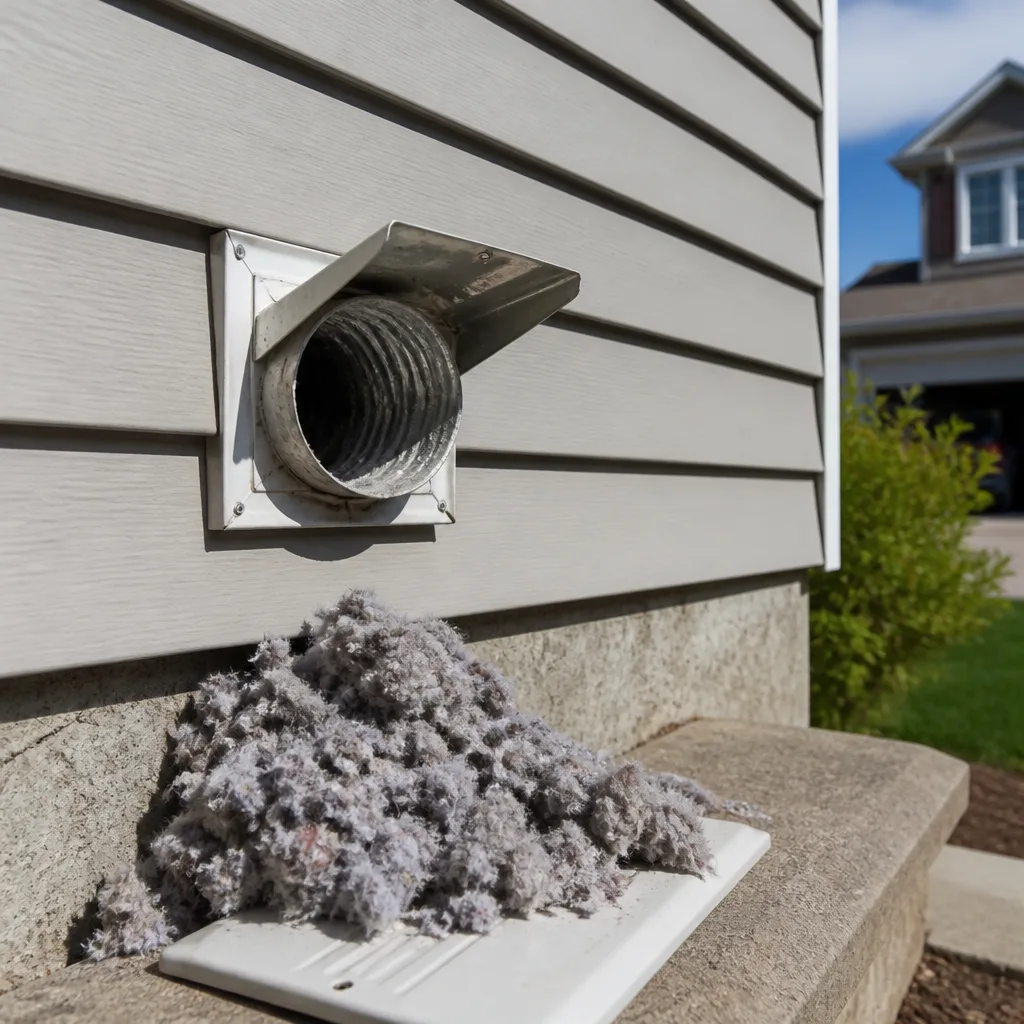 Dryer vent cleaning
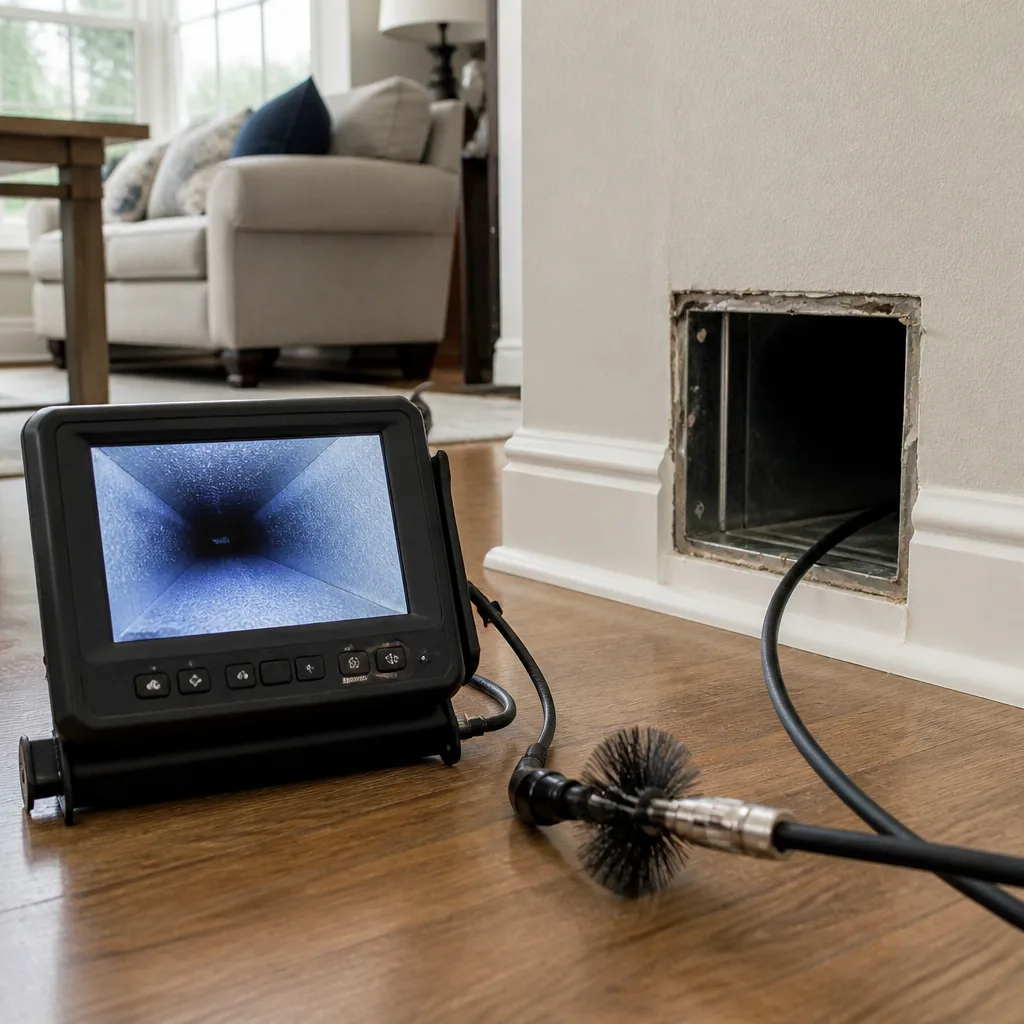 Camera inspection
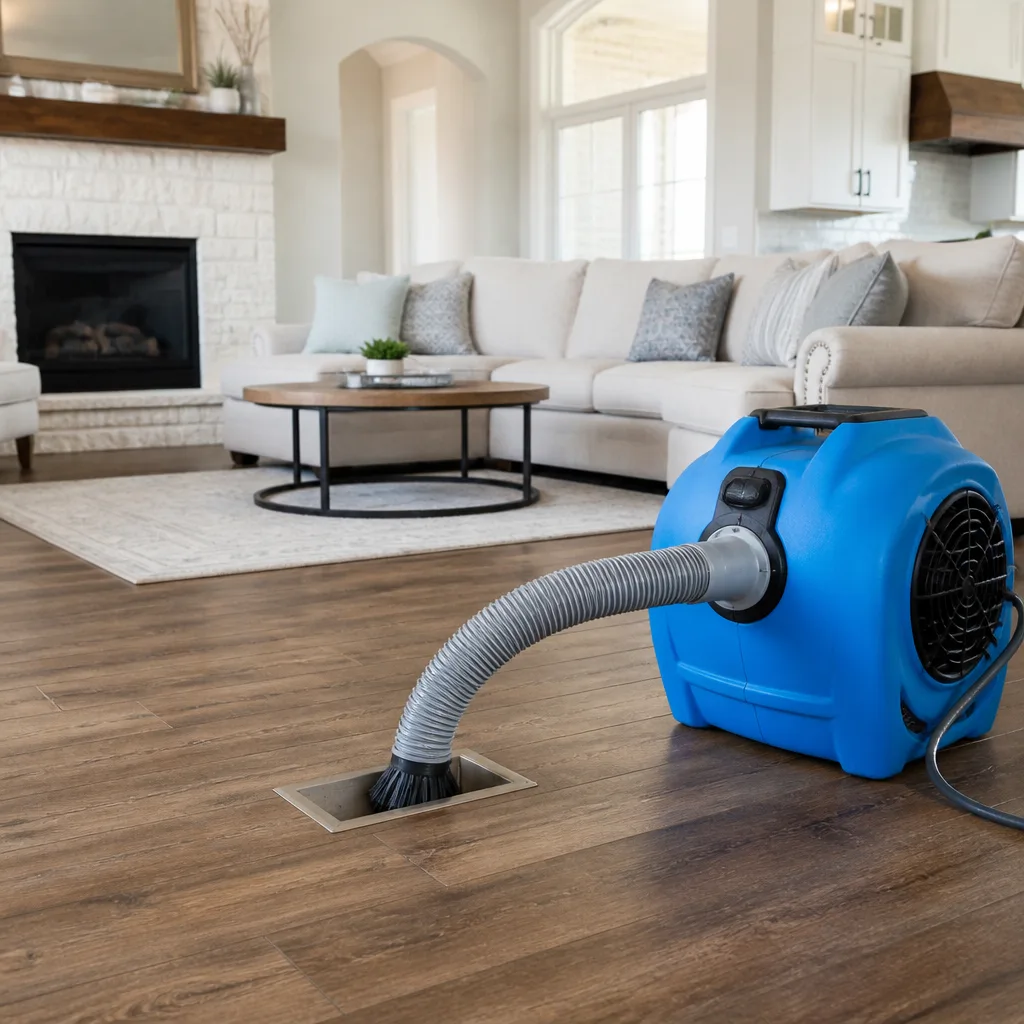 Sanitizing & deodorizing
Whole-system duct and dryer vent check with before-and-after photos - you see exactly what came out of your vents
That "$99 whole-house special" is a bait ad - the real number appears once they are in your hallway, or the "clean" is a shop-vac at the register. We photograph the inside of your ducts before and after instead.
Air Duct Cleaning Warning Signs: A Santa Maria Homeowner’s Reference Guide
If one room in your house is always 8 degrees cooler than the rest, your first call shouldn’t be to an HVAC tech. It should be to someone who can inspect your duct connections. That’s the part most homeowners get backwards. A weak airflow problem, a dusty register, or a stuffy bedroom usually reads as “the system is failing” when the real culprit is the network of ducts feeding it. This guide walks you through the warning signs, room by room, so you can tell a duct problem from an equipment problem and call the right specialist first. It’s written for Santa Maria homes, where mild winters and long dry stretches shape how duct systems age.
Quick Answer
The main warning signs you need air duct cleaning in Santa Maria are uneven room temperatures that point to restricted or leaking ducts, visible dust discharge around registers, musty or odd odors that change when the system runs, and visible debris, disconnected joints, or crushed flex duct in the attic or crawlspace. If airflow has dropped in specific rooms rather than everywhere at once, that pattern usually signals a duct issue, not a failing furnace or AC. A free estimate from a duct specialist confirms it before you spend money on the wrong repair.
Styles & brands we work with
- Whole-home duct cleaning
- Dryer vent cleaning
- Camera inspection
- Sanitizing & deodorizing
Table of Contents
- Room-by-Room Diagnostic: Is It the Ducts or the Equipment?
- What Dust Patterns Around Registers Actually Tell You
- Odor Identification: Matching the Smell to the Source
- Visible Duct Warning Signs You Can Spot Yourself
- Urgent vs. Schedule Soon: Sorting Your Warning Signs
- The Dryer Vent Warning Signs Most Homeowners Miss
- What Professional Equipment Actually Does Differently
- Common Mistakes to Avoid
- When to Call a Professional
- Frequently Asked Questions
Room-by-Room Diagnostic: Is It the Ducts or the Equipment?
Start here, because this is the single most useful skill in this guide. The goal is to figure out whether your comfort complaint traces to duct restriction, duct leakage, or an equipment failure. Each of the three behaves differently, and the pattern across rooms tells you which one you’re dealing with.
Duct restriction looks like a room that never gets enough air no matter what you set the thermostat to. The register feels weak. Close the door and the room gets stuffier, not cooler. This happens when a run is crushed, kinked, blocked by a closed damper, or filled with debris. In Santa Maria homes with long attic runs and flex duct, a sagging or pinched run does this quietly for years.
Duct leakage looks like a room that’s close to comfortable but never quite right, plus a system that runs longer than it should. Air is escaping before it reaches the register, usually at joints, collars, and connections that have pulled apart. The room isn’t starved by a blockage; it’s starved by losses along the way.
Equipment failure looks different. When the furnace or air handler is the problem, the decline is usually everywhere at once, not one room. Airflow drops across the whole house. The blower sounds different. Short cycling kicks in. If every register feels weak, that’s an equipment question.
Here’s the simple test:
- Hold your hand at each register while the system runs and note which rooms feel strong versus weak.
- If the weakness is isolated to one or two rooms, suspect duct restriction or a disconnected run.
- If every room is weak together, suspect the equipment or a main trunk problem.
- If the room is cool at the register but warm in the middle of the room, suspect leakage near a collar or joint.
- Write down your findings so the technician has a real map, not a vague complaint.
For a walkthrough of what a full inspection and cleaning involves, see our air duct cleaning page. It explains the sequence from inspection to extraction.
What Dust Patterns Around Registers Actually Tell You
Dust around a register is normal. Dust streaking and dust puffs are not. Learning the difference saves you from panicking over ordinary settling and helps you catch real problems early.
Normal settling is a thin, even film of dust on the register face and the ceiling or wall right around it. Every home has it. It builds slowly and wipes away clean.
Streaking is the telltale sign of air leaking past the register collar. You’ll see dark, vertical or radial trails moving away from the register edges. That’s air bypassing the duct and carrying dust with it. In a Santa Maria home, streaking on an attic-side register often means a boot or collar has pulled loose from the ceiling.
Puffing is when fine dust clouds out of a register the moment the system kicks on. That’s internal debris being discharged. It usually means debris has built up inside the duct and is being pushed through. If you can see a puff every time the blower starts, that’s a strong sign the system needs professional cleaning and inspection, not a filter change.
Black or gray rings around the register can come from several things: a loose connection, an oversized register with poor fit, or dirty air being drawn in from a leaky return. The pattern alone won’t tell you which; an inspection will.
- Even film, no streaks: normal, schedule routine attention.
- Dark streaks from the register edges: suspected leak at the collar.
- A puff of dust on startup: suspected internal debris buildup.
- Rings or discoloration spreading outward: suspected leaky return or poorly fitted register.
Professional cleaning with HEPA extraction equipment like the Nikro systems we use captures that debris instead of blowing it around your home. That’s the difference between a real job and a surface wipe-down.
Odor Identification: Matching the Smell to the Source
Odors are the hardest warning sign to read, and the easiest to misdiagnose. The good news is that the smell itself usually points to the source. Here’s how to tell the four most common ones apart.
Mold-in-duct smell
Musty, earthy, like a damp basement. It’s strongest when the system first kicks on and fades as air runs. In Santa Maria, where kitchens and bathrooms add indoor moisture and attics can trap humidity, mold can take hold on dust-coated interior surfaces. If the smell is consistent and follows the system, suspect mold in the duct or on the coil.
Dead animal in duct smell
Sharp, rotten, unmistakable, and usually localized to one area or one register. It tends to be intense and get worse before it fades. Rodents and birds find their way into attic duct runs. The smell stays put in the room served by that run rather than spreading evenly through the whole house.
Dirty coil smell
A wet, sour, “old socks” smell, often strongest near the air handler or the return. The evaporator coil sits damp during cooling season and collects dust, which can turn musty. This isn’t a duct-cleaning-only issue; the coil itself needs attention.
Burned dust on heat exchanger smell
A hot, dusty, slightly metallic smell at the start of the heating season that lingers. A little “first-fire” smell is normal as dust burns off. A smell that persists, or has a sharper burnt note, is a reason to have the heat exchanger inspected by an HVAC professional, because it can point to a combustion or safety concern.
Here’s the practical rule: if the odor changes when the system runs, and stays within one zone, look at the duct. If it’s constant and whole-house, look at the equipment, the coil, or the returns. If it has a burnt edge, treat it as an HVAC safety check first.
For odors that point to a broken or leaky connection, duct cleaning Santa Maria service includes the inspection and repair side of the job, so the source gets fixed, not just masked.
Visible Duct Warning Signs You Can Spot Yourself
You don’t need special equipment to spot the biggest problems. A flashlight and a careful look in the attic or crawlspace will reveal a lot. Here’s what to check, and what each sign means.
Disconnected joints. Look for sections of flex duct that have pulled off their collar or haven’t been taped or sealed. A gap like this vents conditioned air into the attic and pulls attic air into the duct. It’s one of the most common causes of uneven room comfort.
Crushed or kinked flex duct. Flex duct should stay smooth and round. If it’s pinched by a joist, sagging between supports, or bent at a sharp angle, airflow drops and the room it serves suffers.
Torn or damaged duct insulation. The outer wrap protects the duct and keeps condensation from forming. A torn wrap can lead to moisture and, eventually, mold growth on the duct surface.
Visible debris inside the duct. Shine a light into a register boot or an access point. You shouldn’t see a heavy layer of dust and debris lining the inside walls. If you do, it’s time for a professional cleaning.
Rust or water staining on duct surfaces or around registers. This points to moisture problems that need to be fixed before any cleaning.
Pest activity. Droppings, nesting material, or chewed duct wrap in the attic means rodents or birds have gotten in. That’s a signal for inspection and repair.
- Grab a flashlight and a pair of gloves.
- In the attic or crawlspace, follow each duct run and look for gaps, tape peeling away, and crushed sections.
- Check that the duct wrap is intact along each run.
- Shine a light into a register boot to check interior surfaces.
- Note anything suspicious and photograph it for the technician.
Don’t climb into tight attic spaces or move insulation around if you’re not comfortable doing so. A trained technician can check the same things safely and thoroughly.
Urgent vs. Schedule Soon: Sorting Your Warning Signs
Not every warning sign is an emergency, and not every one can wait. Here’s how to sort them, so you call at the right time and for the right reason.
Urgent: request an inspection promptly
- Pest infestation confirmed in the ducts. Droppings or nesting material means contamination is actively spreading through the system.
- Visible mold growth inside the ductwork. Mold means moisture has entered the system and is colonizing surfaces.
- Strong, persistent odor that doesn’t clear. A dead animal or an active moisture problem needs to be found and removed, not masked.
- Disconnected or crushed duct runs in the attic. Conditioned air is being lost now, and the problem tends to get worse.
- A burnt smell that lingers after the system runs for a few minutes. Have an HVAC professional check the heat exchanger for safety.
Schedule soon
- Dust puffing from registers on startup, with no other red flags.
- Uneven room temperatures that have been consistent for a while.
- A musty smell that only appears at the start of the cooling season.
- A visible layer of dust inside the ducts you can see with a flashlight.
- Higher energy use compared to the same season last year, without other explanation.
In Santa Maria, a dry, mild climate can make duct problems easy to ignore, because comfort complaints are rarely framed as urgent. But restricted or leaky ducts don’t fix themselves, and the longer a problem sits, the more likely it turns into a repair instead of a cleaning.
The Dryer Vent Warning Signs Most Homeowners Miss
Duct systems aren’t the only ones that need attention. The dryer vent is on the same list of overlooked systems, and its warning signs matter because lint buildup is a leading cause of dryer fires. A dryer vent isn’t a cleaning afterthought; it’s a fire-safety inspection.
Watch for these signs:
- Clothes take longer than one cycle to dry, and the delay is getting worse.
- The dryer feels hot to the touch on top or at the back.
- The outside vent flap doesn’t open fully, or doesn’t open at all.
- You notice a burning or musty smell when the dryer runs.
- Lint accumulates around the back of the dryer or behind the lint screen.
- The lint screen fills faster than usual.
A clogged vent forces the dryer to run hotter and longer, which puts wear on the appliance and creates a fire risk. If any of these signs are present, it’s worth having the vent inspected and cleaned. Our dryer vent cleaning service addresses lint, restrictions, and vent routing as a dedicated job rather than a quick add-on.
What Professional Equipment Actually Does Differently
The warning signs in this guide only matter if the fix is real. And “real” comes down to the equipment and process. This is where a lot of duct cleaning falls short, and where you should know what to look for.
Consumer vacuums and shop-vacs don’t have the reach or the extraction power to clean a duct system properly. A qualified job uses commercial-class tools. We use the Rotobrush rotary-brush system to agitate debris off duct walls, and Nikro HEPA extraction to capture it so it doesn’t recirculate into your air. Those are contractor-grade tools, not consumer shortcuts.
Containment matters too. We use Abatement Technologies negative-air and containment tools, the same standard used in professional remediation work. That keeps debris from migrating into living spaces during the job, which matters in Santa Maria homes with open floor plans and connected return systems.
The end result is judged by a visible standard. We hold finished work to Guardsman-brand quality expectations, and we use before-and-after photos of your own ducts so you can see what changed. Cleaning isn’t the whole job either. We inspect for breaches, disconnected runs, and crushed flex duct, and we fix what we find as part of air duct repair rather than blowing out debris and leaving the underlying problem in place.
For homeowners who want to go further on indoor air quality, we install and service Honeywell and Aprilaire products, so cleaning can be paired with longer-term air improvement.
See the difference
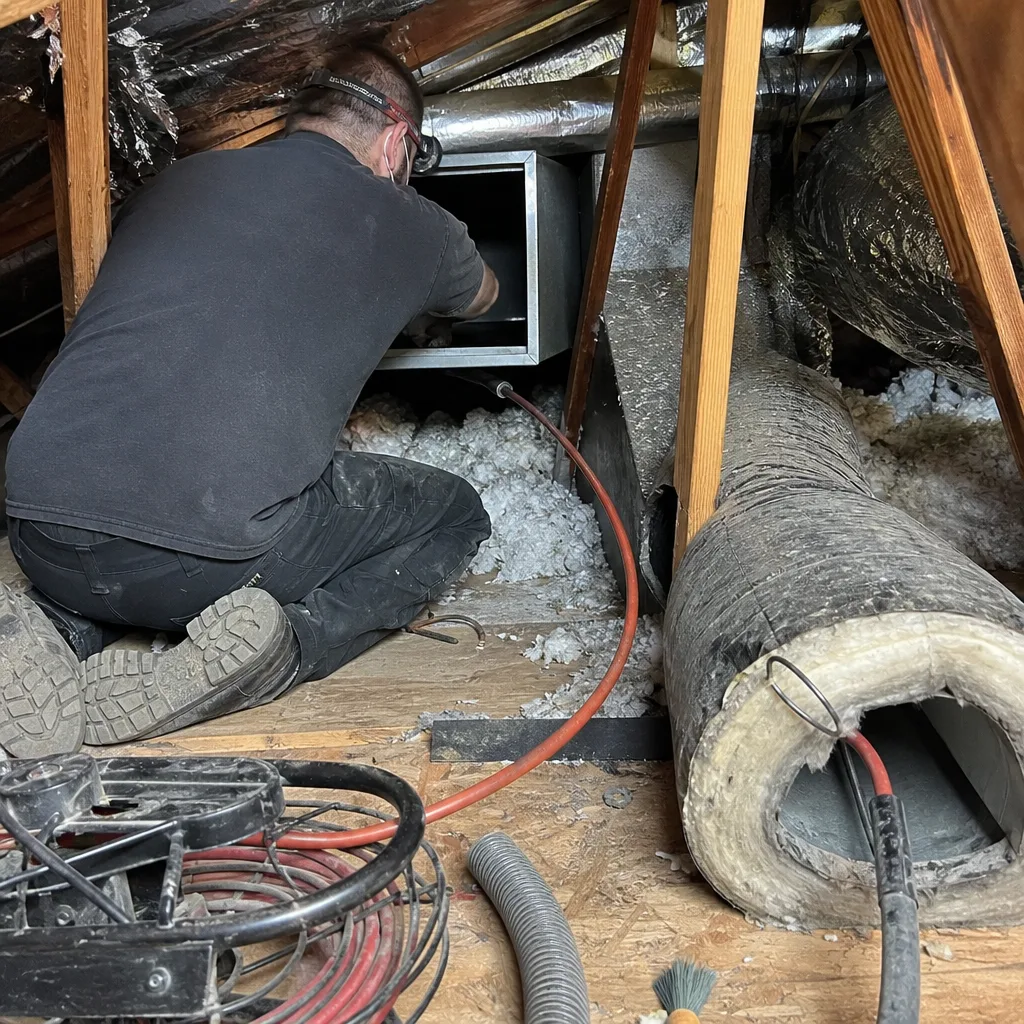 Before
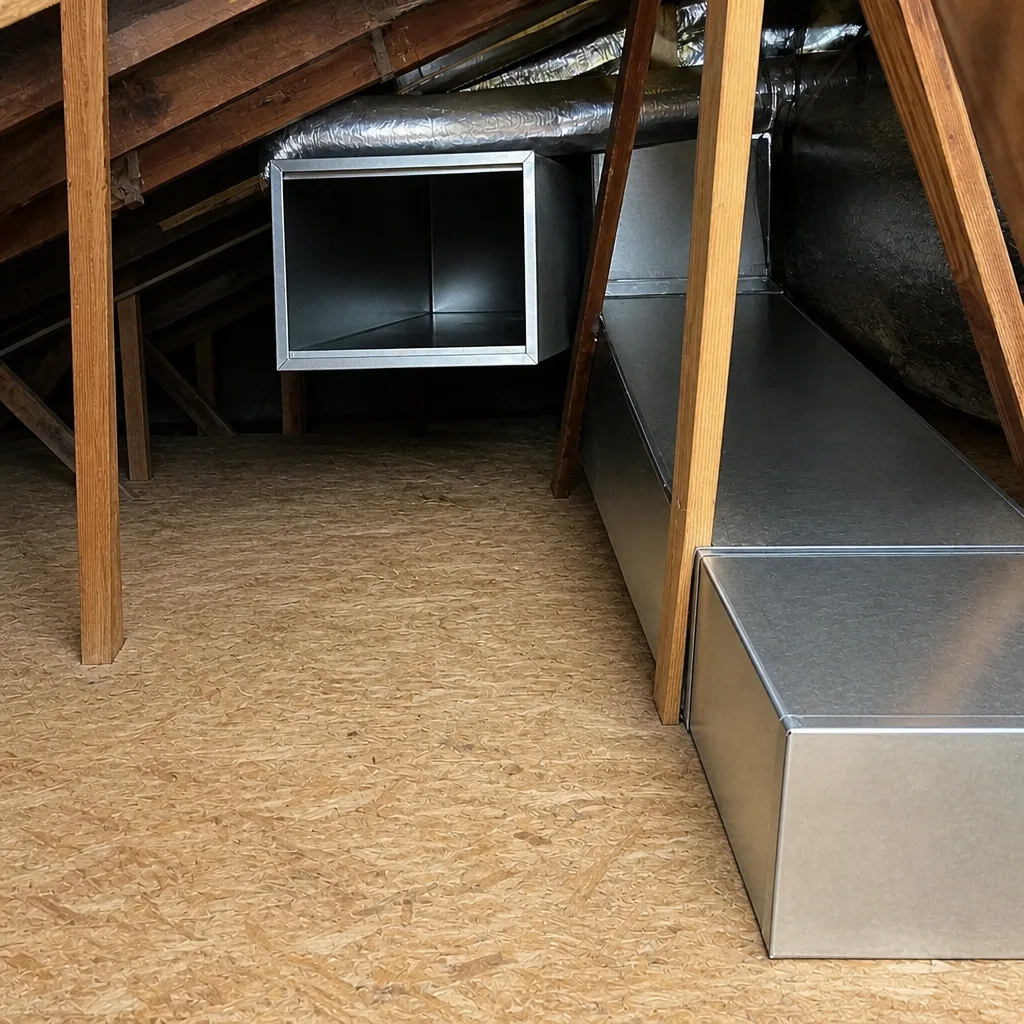 After
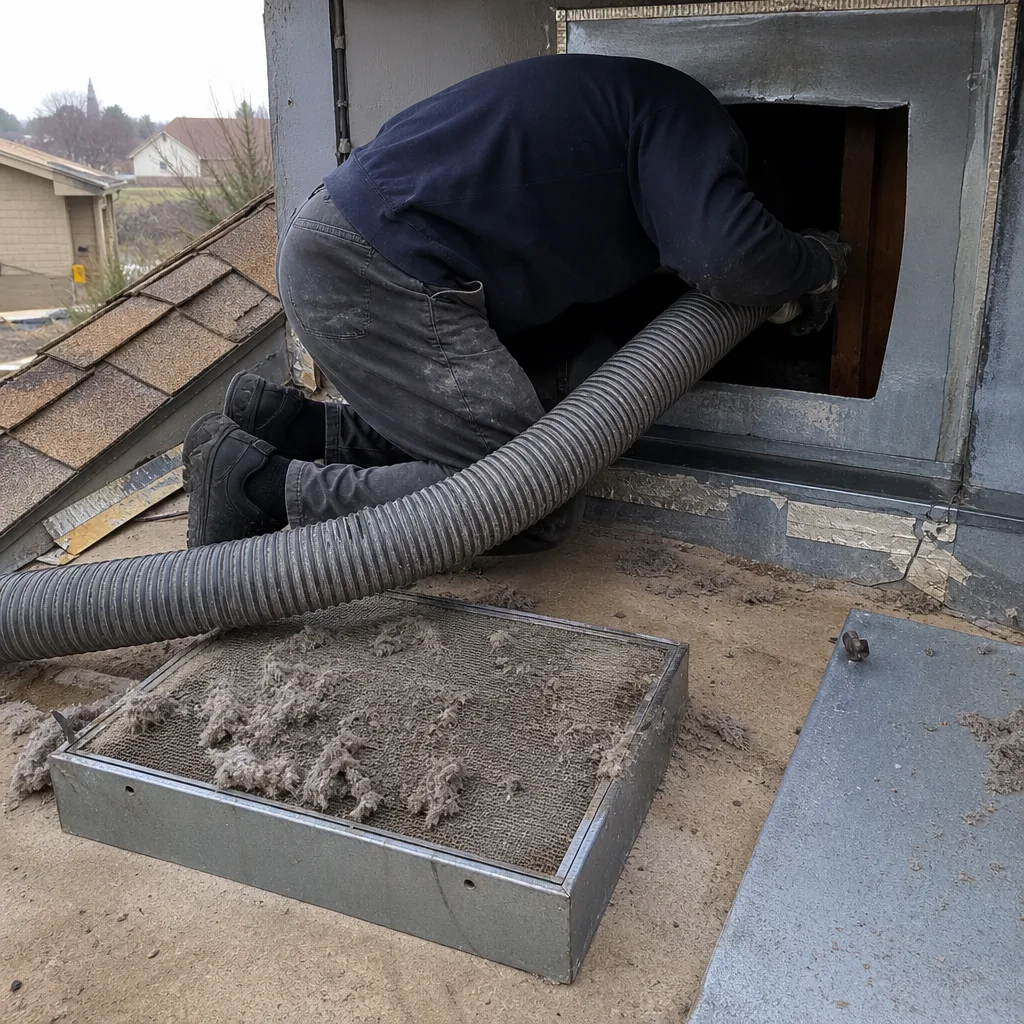 Before
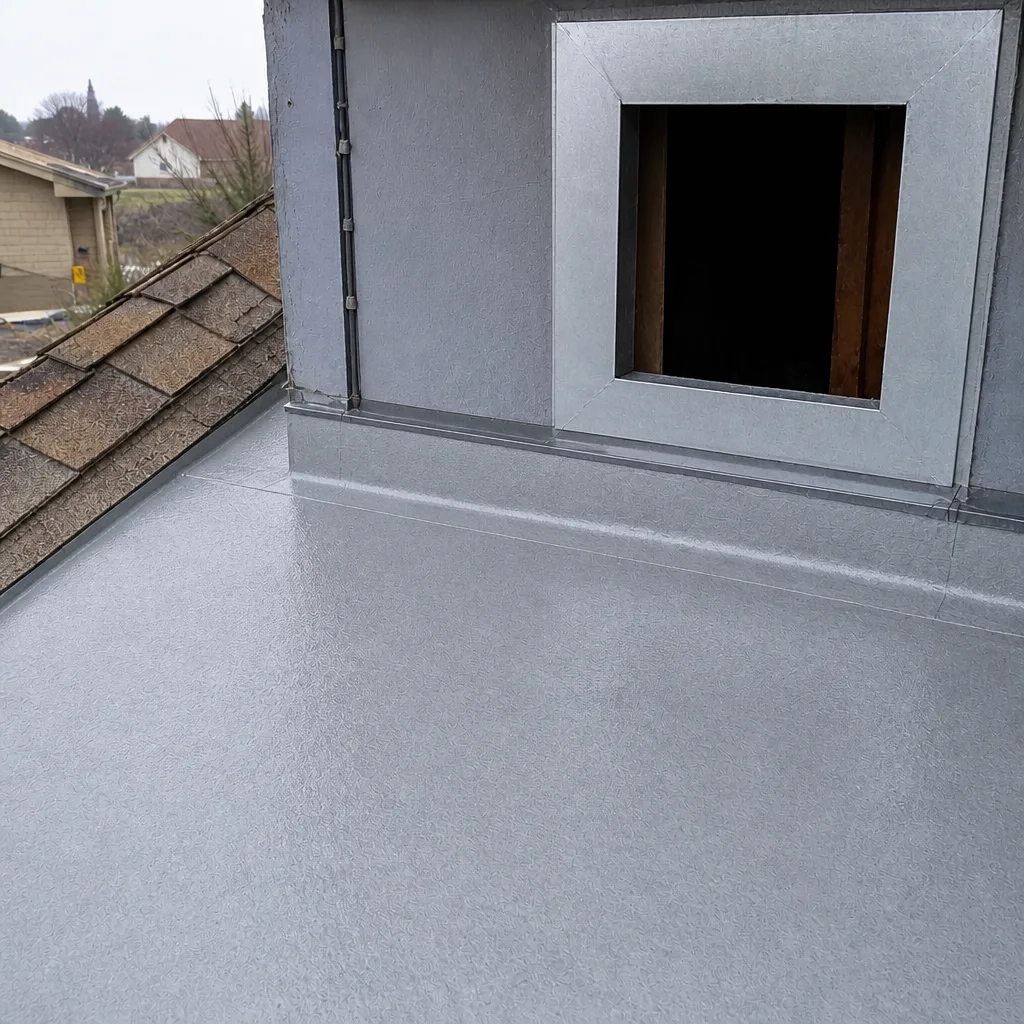 After
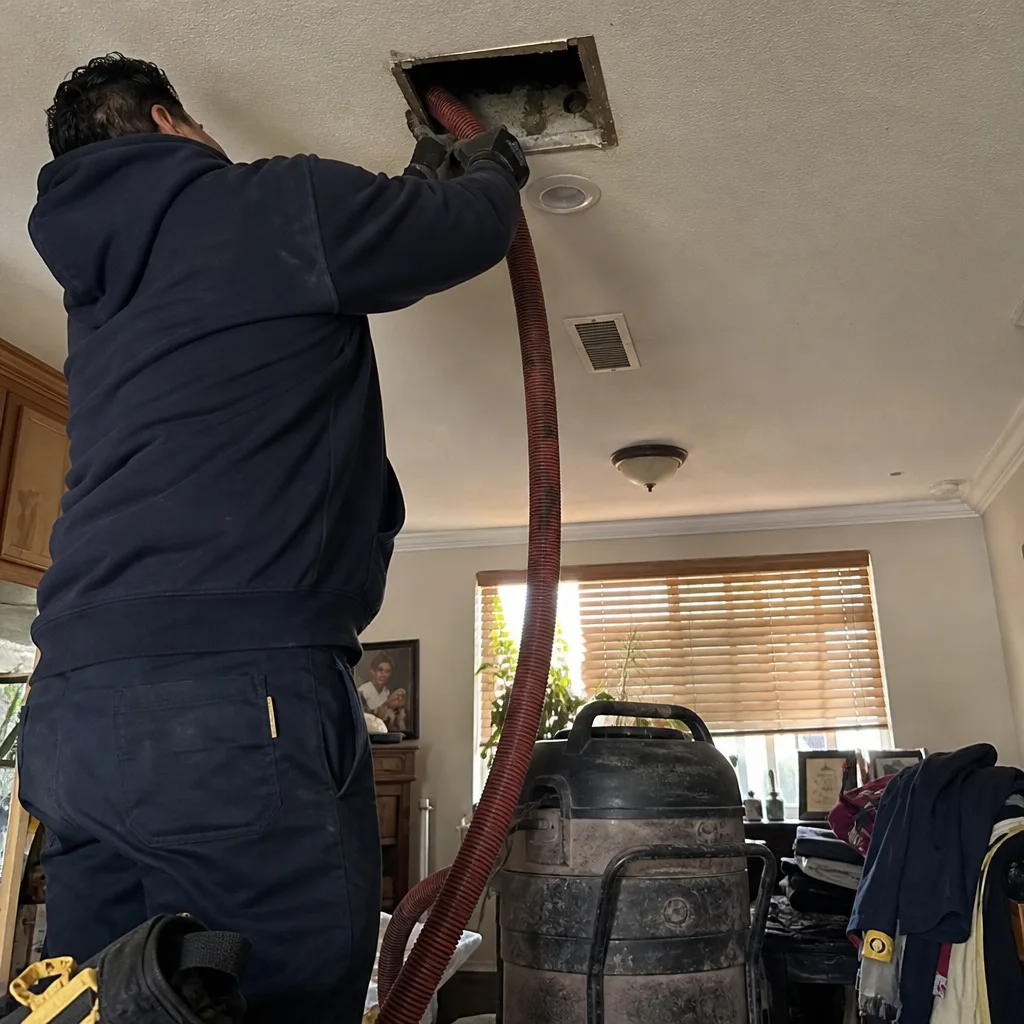 Before
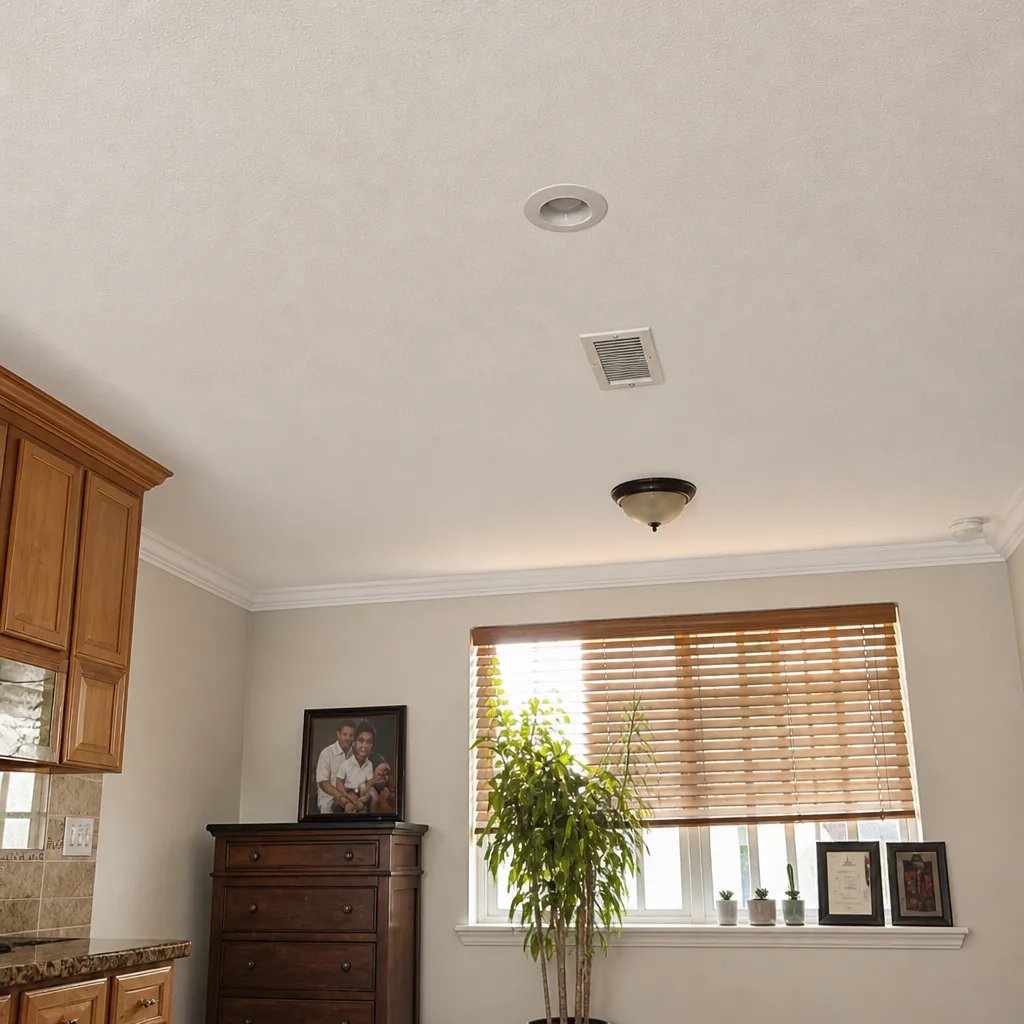 After
Common Mistakes to Avoid
- Calling an HVAC tech first for a one-room comfort complaint. When the pattern is isolated to one room, the ducts deserve a look before the equipment. An HVAC diagnosis can be expensive and miss the actual cause.
- Treating a dust puff as normal. A puff of dust on startup means debris is actively discharging. Wiping the register won’t fix it; an inspection will.
- Assuming a musty smell is just the weather. In Santa Maria, mild humidity can be dismissed as “just how it smells.” A musty odor that follows the system points to moisture or mold in the ducts.
- Skipping the attic check because it’s uncomfortable. Disconnected flex duct and pest problems are most visible in the attic or crawlspace. A technician checks what you can’t, and that’s often where the real issue is.
- Hiring on price alone. A quote that’s dramatically lower than the others usually means a shop-vac and a short job. Ask what equipment is used and whether repair is included.
- Ignoring the dryer vent. Lint buildup is a leading cause of dryer fires. If the dryer takes two cycles, that’s a safety sign, not a small annoyance.
- Cleaning before fixing. If duct runs are disconnected or crushed, cleaning without repairing leaves the problem intact. Fix the breach and then clean.
When to Call a Professional
Call a professional when you’ve confirmed a pattern rather than a one-off. If one room is consistently weak at the register, if dust puffs from the vents on startup, if a musty or rotten odor follows the system, if you’ve spotted disconnected or crushed duct runs in the attic, or if the dryer is taking longer and longer each cycle, it’s time for an inspection. Those are the signs that point to an underlying duct issue rather than something a filter change will fix. Don’t wait for a comfort complaint to become a repair.
Duct Cleaning Santa Maria offers free estimates in Santa Maria. Call (833) 630-1949. We answer 24/7. Fast dispatch from 7am to 7pm, Sunday through Friday.
Frequently Asked Questions
If the airflow problem is isolated to one or two rooms, suspect a duct issue and start with a duct inspection. If every register feels weak at once, suspect the equipment or a main trunk problem and start with an HVAC tech. The room-by-room test above is the fastest way to tell the difference.
Mold in ducts smells musty and earthy, strongest when the system first kicks on and fading as air runs. In Santa Maria’s mild climate, indoor moisture from kitchens and bathrooms can feed mold on dust-coated duct surfaces. If the smell follows the system and doesn’t clear, it’s worth an inspection.
A visible puff of dust when the system starts is a strong sign of internal debris discharge and usually means the system needs a professional cleaning and inspection. Normal settling dust doesn’t puff; it just builds up slowly on the register face. Call (833) 630-1949 for an exact quote, and estimates are free.
Most homes don’t need duct cleaning on a fixed calendar schedule; the right timing depends on signs, not time. Watch for the warning signs in this guide: uneven rooms, dust discharge, odors, and visible debris or breaches. If those signs aren’t present, routine filter changes and occasional inspections usually cover the basics.
Cleaning helps when the uneven temperature traces to debris buildup, but it isn’t the whole fix if duct runs are disconnected or crushed. That’s why we inspect and repair as part of the job. A real fix addresses both the debris and the underlying breach, so the room actually improves.
A proper full-service job uses contractor-grade equipment like the Rotobrush rotary-brush system and Nikro HEPA extraction, includes containment, and covers inspection and repair. Lower quotes often mean a shop-vac and a short visit. Ask what equipment is used, whether repair is included, and whether you’ll get before-and-after photos of your own ducts.
The Bottom Line
Most duct warning signs are misread as equipment failures, and that’s why homeowners call the wrong specialist first. Use the room-by-room test to separate duct restriction, duct leakage, and equipment failure. Read your dust patterns and odors carefully, because each one points to a specific source. Check the attic and crawlspace for visible breaches, and sort signs into urgent versus schedule soon. Don’t overlook the dryer vent, which carries its own fire-safety warnings. And when you call, choose a company that uses professional-grade equipment, inspects before it cleans, and fixes what it finds. Cleaner air isn’t a promise; it’s a process, and this guide is the map.
For an inspection and free estimate in Santa Maria, call Duct Cleaning Santa Maria at (833) 630-1949. We answer 24/7. Fast dispatch from 7am to 7pm, Sunday through Friday.
Written by the team at Duct Cleaning Santa Maria.