
Last updated November 15, 2026
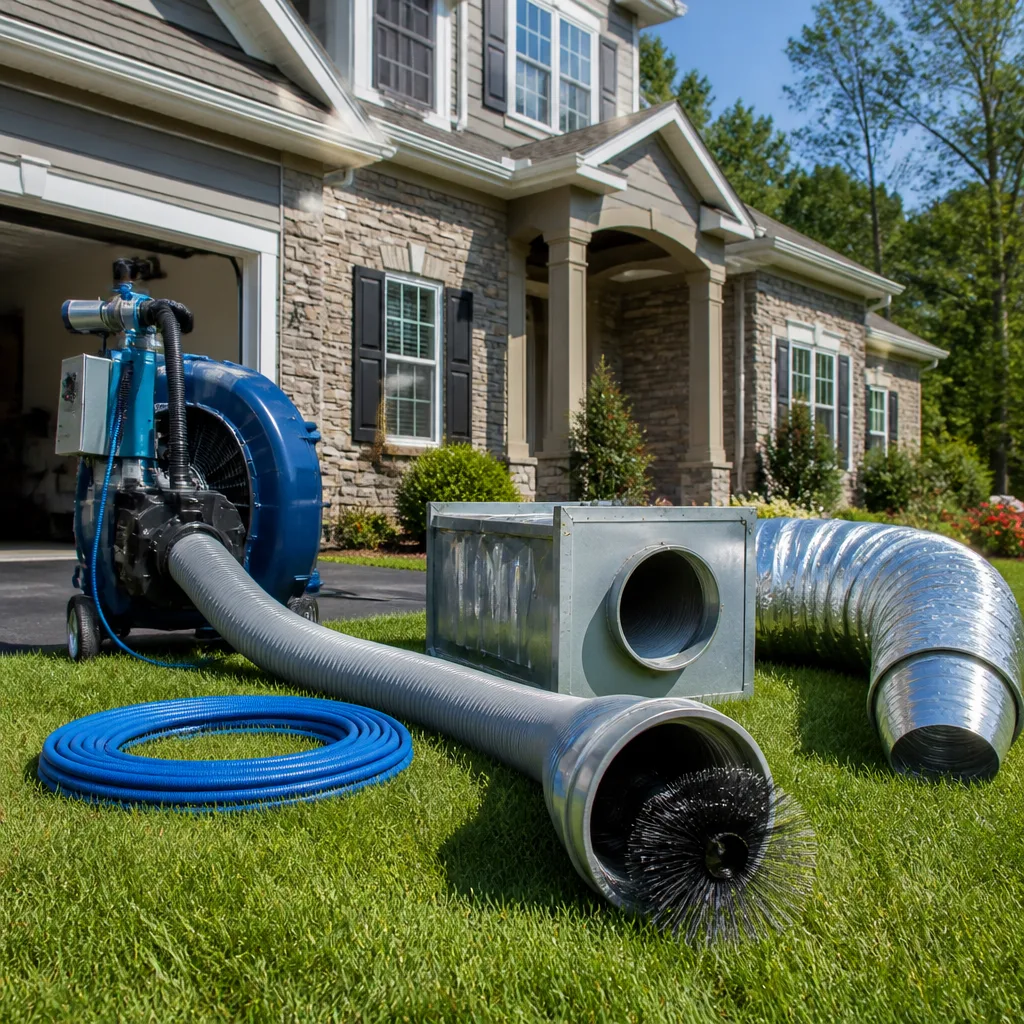 Whole-home duct cleaning
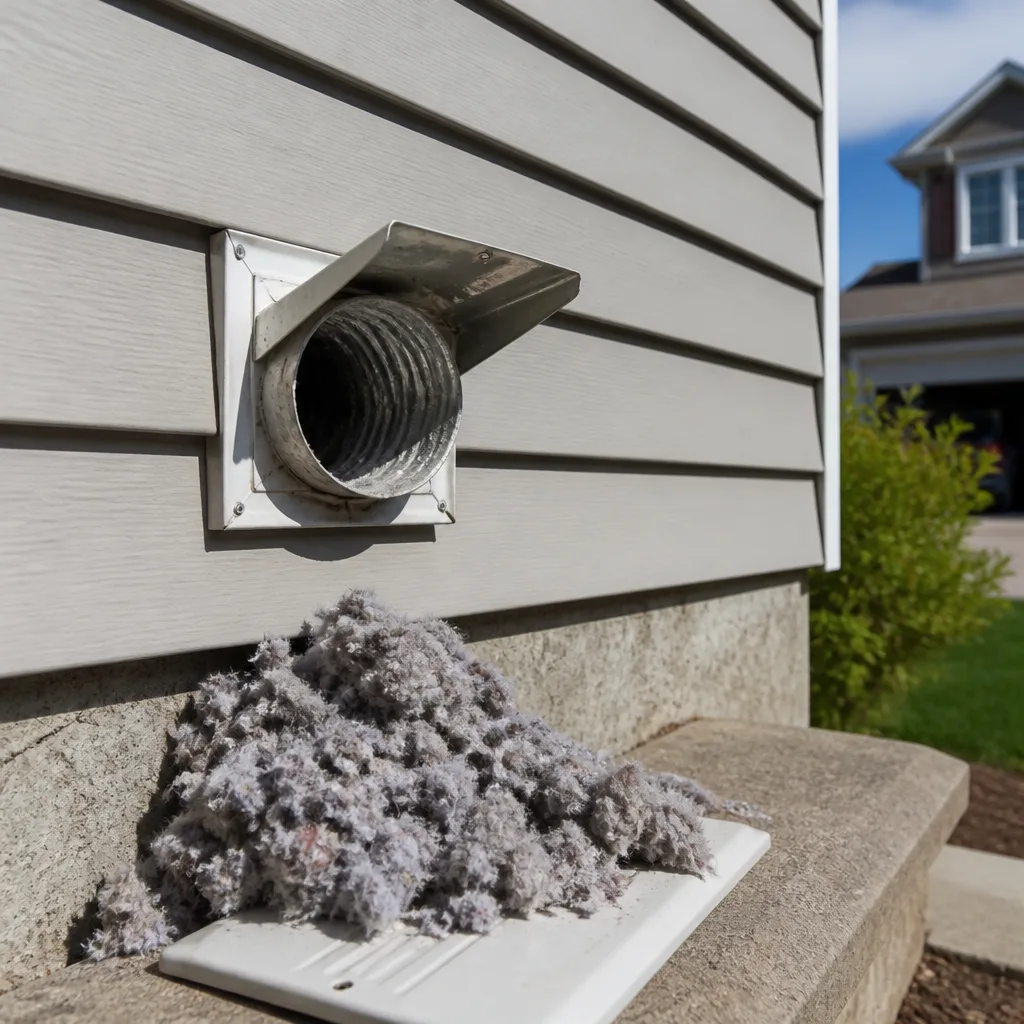 Dryer vent cleaning
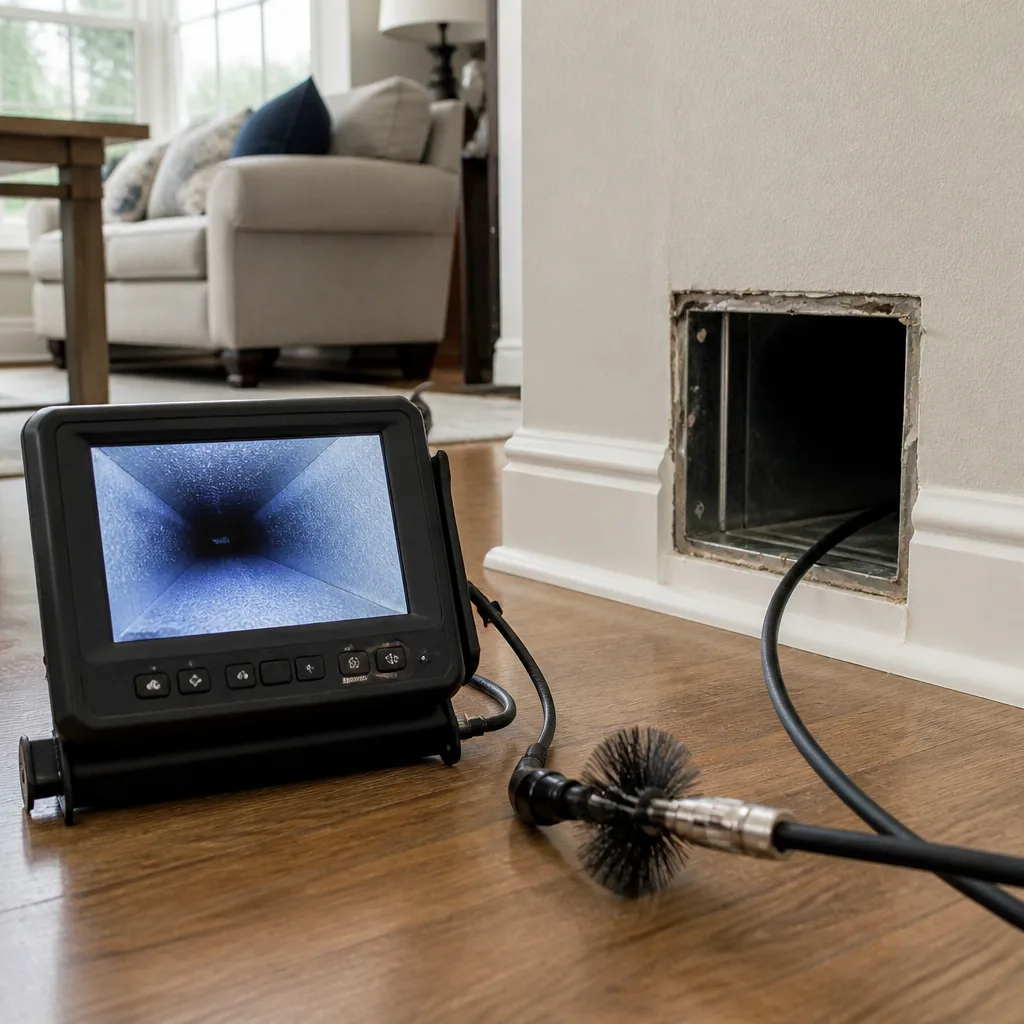 Camera inspection
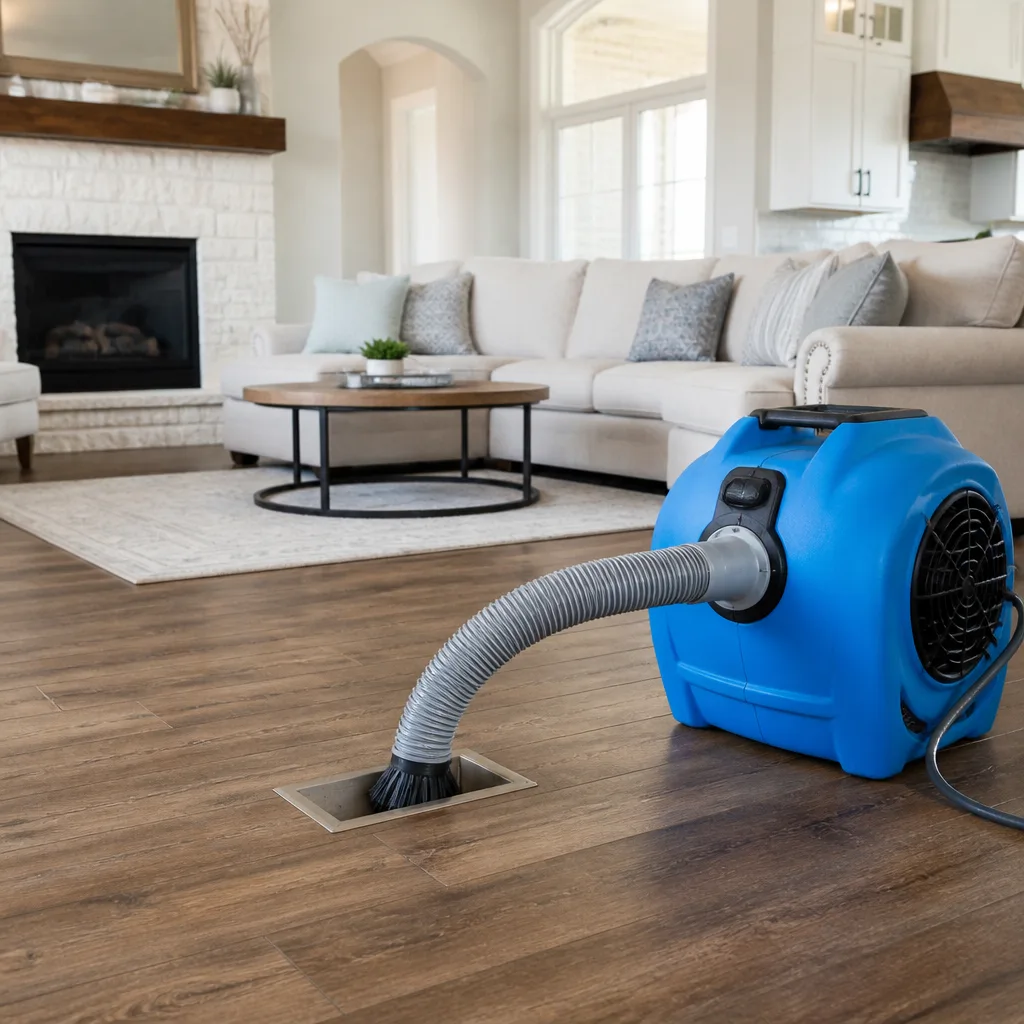 Sanitizing & deodorizing
Whole-system duct and dryer vent check with before-and-after photos - you see exactly what came out of your vents
That "$99 whole-house special" is a bait ad - the real number appears once they are in your hallway, or the "clean" is a shop-vac at the register. We photograph the inside of your ducts before and after instead.
DIY vs Professional Air Duct Cleaning: The Santa Maria Homeowner’s Decision Guide
You can rent a commercial vacuum and buy a brush kit for under $200, and you will clean approximately 15% of your duct system: the visible 15%. That’s the part you can see through the register. The rest of the network – the trunk lines, the branch runs buried in walls and ceilings, the returns pulling air back through the system – stays exactly as it was. The DIY vs professional air duct cleaning question isn’t really about whether you’re capable of pushing a brush. It’s about access and pressure differential, two physical realities that determine whether ducts get cleaned or just spot-touched. This guide breaks down what homeowners in Santa Maria can reasonably do themselves, where DIY starts costing more than it saves, and how to know which side of that line your home falls on.
Quick Answer
Professional air duct cleaning is worth it when your system has visible debris beyond the registers, when you’ve had recent renovation or pest activity, or when allergies and energy bills have crept up. DIY is reasonable for register cleaning, filter changes, and grille washing between professional visits. A proper job requires source vacuum and negative pressure the whole system can hold at once, and that’s equipment no homeowner rental achieves. In Santa Maria, our technicians have up to 8 years of experience with Rotobrush rotary-brush systems and Nikro HEPA extraction, and we set one flat price per system by written estimate before any work begins.
Styles & brands we work with
- Whole-home duct cleaning
- Dryer vent cleaning
- Camera inspection
- Sanitizing & deodorizing
Table of Contents
- Why Duct Cleaning Is a Pressure Problem, Not a Reaching Problem
- What You Can Legitimately Do Yourself
- Where DIY Attempts Make the Next Professional Job Harder
- Cost-Benefit: Rental Math vs a Written Estimate
- How to Tell If a Previous DIY Attempt Pushed Debris Deeper
- Flex Duct in Santa Maria Tract Homes: A Special Case
- Santa Maria’s Climate and What It Does to Duct Systems
- How to Choose a Duct Cleaner in Santa Maria
Why Duct Cleaning Is a Pressure Problem, Not a Reaching Problem
A duct system is a closed loop of supply and return lines sized for a specific airflow. The fan in your air handler pushes conditioned air out through the supply trunks, into the branches, out the registers, through the rooms, and back through the returns. Dust, lint, pet hair and construction debris settle on the interior walls of every segment along that path. Cleaning a duct means disrupting all of it at once and pulling it into a collection unit without letting it drift back into the living space.
That requires negative pressure held across the entire system simultaneously. A professional setup uses a source vacuum connected at a main trunk, sealed with containment, plus agitation from rotary brushes or compressed air whips that break debris loose while the vacuum holds the whole network under suction. Abatement Technologies negative-air and containment tools exist precisely because the physics only works when the whole system is under pressure, not one segment at a time.
Why a shop-vac (or even a rented commercial unit) can’t replicate this
- One-point connection. A consumer vacuum connects at one register or one trunk port. Negative pressure at that single point doesn’t reach the far branches, so loosened debris settles back into the same runs.
- CFM and static pressure mismatch. A residential system is sized for hundreds of cubic feet per minute. Homeowner vacuums are rated for far less airflow and cannot overcome the static pressure of the duct runs to draw debris from distant segments.
- No containment zone. Professional work seals the living space off with negative-pressure containment so disturbed fine dust doesn’t migrate into the home. Shop-vac DIY typically coats the room in the very dust you were trying to remove.
- No agitation source. Loose surface dust moves easily; adhered dust and lint need rotary bristles or air whips to break the bond with the duct wall. Brushes long enough to reach a register are too short for a trunk run.
This is the access-versus-pressure distinction that separates real air duct cleaning from a surface wipe. You can reach the register. You cannot pressurize the system. That second part is the job.
What You Can Legitimately Do Yourself
Plenty of duct maintenance is genuinely homeowner work. A homeowner who keeps up with these tasks stretches the interval between professional cleanings and keeps the visible system in good shape. Here’s the honest list, in an order that makes sense:
- Replace the filter on schedule. Cheap fiberglass filters should be swapped monthly during heavy use; pleated filters often go two to three months. A clogged filter starves the system of airflow, and low airflow is what drives the dust settlement you’ll spend money cleaning later.
- Remove and wash the supply and return grilles. Pop them off, wash with dish soap and warm water, dry fully, and reinstall. This is where most of the visible build-up lives, and it’s entirely within reach for anyone with a screwdriver.
- Vacuum inside the register boot. With the grille off, a shop-vac with a soft brush attachment can lift dust from the first several inches of the run. You’re cleaning the reachable mouth of the duct, not the run. That’s fine – just don’t call it cleaned.
- Keep the air handler area clean. Vacuum around the indoor unit and keep the filter slot clear. Dust drawn from a messy closet goes straight into the system.
- Do a visual inspection each season. Pull a couple of registers, look for fine gray dust, dark smudges, rodent droppings, or insect activity. Photograph what you see. That evidence tells a professional exactly what to expect and helps you compare quotes fairly.
- Wipe return grilles more often if you have pets. Pet hair loads returns faster than supply grilles. A seasonal wash keeps the airflow open.
None of this requires special tools or training. All of it is worth doing whether or not you hire a professional. Filter discipline alone does more for long-term duct health than any single cleaning.
Where DIY Attempts Make the Next Professional Job Harder
Most of what goes wrong in a homeowner duct attempt isn’t damage – it’s displacement. The right equipment moves debris toward a collection point. The wrong equipment moves it laterally and pushes it deeper. When that happens, the professional job gets longer, not impossible, but longer.
We see these patterns most often:
- Debris pushed past a transition. Short brushes and shop-vac nozzles move dust a few feet down a branch and then push it into a transition or offset where it can’t be reached from the register side. The technician now has to work from both ends of the run.
- Flex duct crush or sag. Pushing a stiff tool through a flex run can crush the wire helix, and a crushed duct becomes a permanent airflow bottleneck. Flex is common in Santa Maria tract homes, so this is a real concern locally.
- Loose insulation disturbed. Duct board and lined trunks have a fibrous interior. Agitating them without containment scatters fibers into the airstream, and those fibers then coat every downstream surface.
- Moisture introduced. Wet-wiping the inside of a duct creates a damp surface where mold can start. Duct interiors are meant to stay dry.
- Sealant cracked during handling. Grilles and boots can be sealed with mastic that cracks when pulled abruptly. That crack pulls unconditioned attic air into the supply.
If you’ve already made an attempt and something looked off – new dust plumes from a register, a sudden whistling noise, less airflow at one room than before – a professional inspection is warranted before anything else is tried. On a first visit, we always inspect before we clean. When we find a breach in the duct itself, air duct repair is part of the scope rather than a separate discovery made later.
Cost-Benefit: Rental Math vs a Written Estimate
The DIY pitch sounds straightforward: rent a big vacuum, buy a brush kit, spend a Saturday. The real math is less tidy. A commercial-vacuum rental for a day, the brush attachment kit, containment plastic, and the time you’ll actually spend (realistically the better part of a day for a mid-size home, and longer if the system is older) adds up. Then there’s the part you can’t buy: the reach, the simultaneous pressure, and the reassurance that the job is complete. Here’s how the two paths compare.
- Upfront cost. A DIY setup runs roughly the cost of one rental day plus consumables; a professional job is one flat price per system, set in writing before work starts. Both are real money; only one removes the debris from the far runs.
- Coverage. DIY typically reaches the register area and the visible trunk. Professional covers supply trunks, branches, returns, and the air handler plenum where debris actually accumulates.
- Time. DIY is an afternoon you’ll spend bent over in a hot attic. Professional is a scheduled visit and the work is done.
- Proof. A professional job ends with before-and-after photos of your own ducts. You see what came out. DIY gives you no way to know whether the run is actually clean.
- Follow-on risk. A failed DIY attempt can require a longer professional job later. That isn’t a scare tactic; it’s the geometry of pushing debris into a transition.
Pricing for a whole-system clean in Santa Maria is quoted per job, not per vent, and the written estimate locks the number. If a quote arrives with a teaser figure that grows once the technician is inside the attic, that’s the pattern to walk away from. One flat price per system is the standard worth holding any company to.
How to Tell If a Previous DIY Attempt Pushed Debris Deeper
The signs of displacement are usually subtle, but they’re consistent. If you’ve tried a duct clean yourself, or if you inherited a home from someone who did, watch for these:
- New dust at one register, not others. A run that suddenly throws dust when the fan kicks on has debris sitting closer to the register than it was before. That’s a push that didn’t reach a collection point.
- Whistling or reduced airflow. A crushed flex run or a partially blocked branch will restrict airflow. You’ll notice it as a quieter room on the thermostat or a whistle at the grille.
- Visible debris past the boot. Shine a flashlight down the supply opening after the grille is off. If the first several inches of the run look clean but a foot or two in is coated, the attempt didn’t travel.
- Fiber fragments at registers. Loose fibrous material at the grille suggests interior insulation was disturbed.
- Recurring musty smell at one supply. Moisture introduced during an attempt can leave a damp spot that never fully dries.
A professional inspection of that situation uses a rotary camera or a flexible inspection scope. The system is mapped, photographed, and compared against what the airflow pattern should look like. With a Rotobrush rotary-brush system on a source vacuum, we can typically re-set a displaced run in the same visit as the clean. If a run is crushed, air duct repair follows from what we found – we won’t finish a clean and leave a bottleneck behind.
Flex Duct in Santa Maria Tract Homes: A Special Case
Most single-family homes built in Santa Maria’s newer tracts run flex duct in the attic and supply branches. Flex is quick to install, cheap to adjust on-site, and forgiving of framing irregularities. It’s also the least forgiving system when it comes to the wrong cleaning method. The interior is a corrugated liner around a wire helix, and the liner is thin. A homeowner pushing a stiff brush or a rigid vacuum wand through a run can strip the corrugation, crush a bend, or dislodge a joint that was sealed with foil tape.
Rotary-brush cleaning with a Rotobrush system handles flex correctly because the brush is sized and driven to lift debris without exceeding what the liner can take. A qualified technician can feel the resistance change as the brush travels and adjust. A homeowner doing it blind can’t. If you have flex runs and suspect debris has settled at a bend or sag, that’s the single best argument for stopping the DIY attempt early and having the system checked before anything else is pushed through.
If you don’t know what’s in your walls and ceiling, ask. We walk people through what we find. Adjoining care for the return and exhaust side is covered under the broader duct cleaning Santa Maria scope.
Santa Maria’s Climate and What It Does to Duct Systems
Santa Maria runs on a mild, coastal-influenced cycle: cool nights, warm afternoons, and quite a bit of wind-borne dust off the agricultural fields and open land to the east and north. That combination has real consequences for duct maintenance.
First, filter loading runs faster here than in homes settled into a valley with high tree cover. Airborne field dust and pollen enter the return all season. A homeowner in Orcutt, on the south side of town, and a homeowner near the fairgrounds in central Santa Maria will load their filters at different rates, but both should be checking them more often than the “every three months” sticker suggests.
Second, the mild climate means the heating and cooling system runs less aggressively than in Phoenix or Fresno. Moderate runtime is a gift and a hazard. Less runtime means less frequent full-cycle air exchange to dislodge settled debris, so fine dust accumulates in the low-velocity segments of the system: return trunks, end-of-run supply branches, and the plenum behind the coil. A quiet system is often a dusty one.
Third, this climate doesn’t dry out the interior of a duct the way desert air does. Ducts in a home with year-round mild humidity can hold onto fine organic dust longer, which is why filter discipline matters so much here. Regular replacement is the lowest-cost lever any homeowner has.
Fourth, the wind. Santa Maria isn’t the windiest place in California, but a few days of steady westerly airflow each spring pushes field dust into open windows and attics. That’s the season to be pulling register grilles and checking what’s happening inside the runs.
How to Choose a Duct Cleaner in Santa Maria
Once you’ve decided the job merits professional hands, the choice of who does it matters more than the quote. Bait-and-switch is a well-documented problem in this trade: a low advertised price that becomes a larger invoice once the technician is inside the attic. Here’s what to look for instead:
- One flat price per system, quoted in writing. Not per vent, not a teaser coupon figure. A price that reflects the whole system as inspected.
- Named equipment, not a vague promise. Ask what they’ll use. Rotobrush and Nikro are the names a serious operator will mention without being prompted.
- Containment tools on the job. Negative pressure and containment are what keep the dust out of your living space. Abatement Technologies equipment on the truck is a reasonable proxy for that standard.
- Repair capability under the same provider. If they find a breached duct, will they fix it or hand you a phone number for someone else? Air duct repair included in scope is the difference.
- Before-and-after photos of your own ducts. Ask for them in writing before the job starts. If they won’t commit, that’s your answer.
- Honeywell and Aprilaire product knowledge. If indoor air quality is the underlying concern, a specialist who can talk about air-purification and humidification add-ons will steer you better than one who only cleans.
If you want the fuller picture on what a well-scoped job includes, our page on Santa Maria is a good place to see the local service picture laid out. For the exhaust side of the home, see dryer vent cleaning – lint build-up in a dryer vent is a genuine fire risk, not a duct-cleaning upsell.
Common Mistakes to Avoid
- Cleaning only the visible register. A grille wipe and a short vacuum of the boot leaves the trunk and branch runs untouched. That’s 15% of the system, and pretending otherwise delays a real clean by another season.
- Using a shop-vac on a flex run. The wand can crush a helix or strip the liner. On flex duct, at least, the sense of “making progress” is often damage in motion.
- Skipping the containment zone. Without negative pressure in the work area, dust lifted from the ducts redistributes to furniture and floors. The job should leave the house cleaner, not dustier.
- Choosing on quoted price alone. A quote far below the local range usually hides either a per-vent conversion, a scope that only covers the visible segments, or a missing containment step. Ask what’s in the number, not what out the door costs.
- Ignoring the air handler. The coil and plenum collect debris and are often skipped by low-scope cleans. A job that cleans the ducts but leaves the plenum loaded is a job half done.
- Cleaning but not repairing. If a duct is breached or a joint is loose, cleaning just clears the path for dusty attic air to re-enter. Repair has to follow inspection.
- Waiting until there’s a complaint. Filter discipline, register checks, and periodic professional cleaning cost less than the repair scope that follows years of neglect on a flex system in Santa Maria.
See the difference
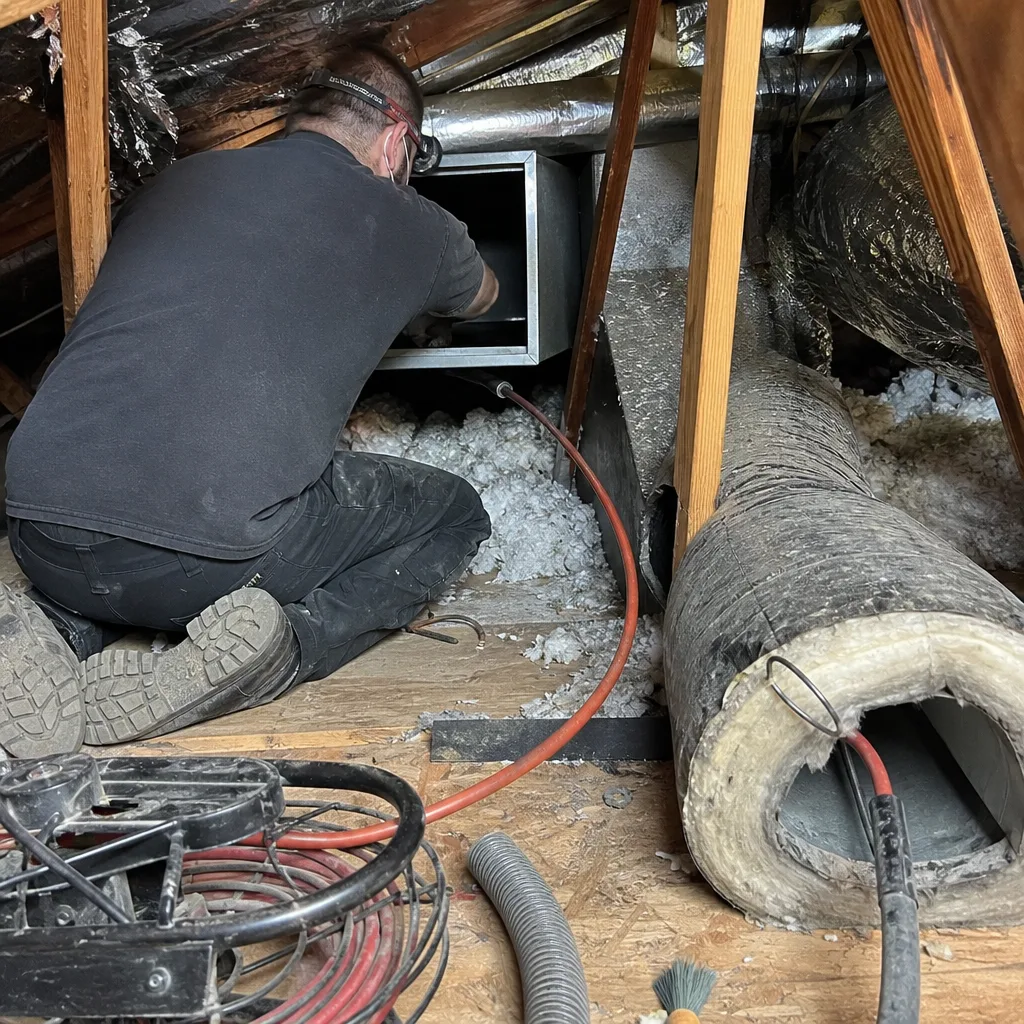 Before
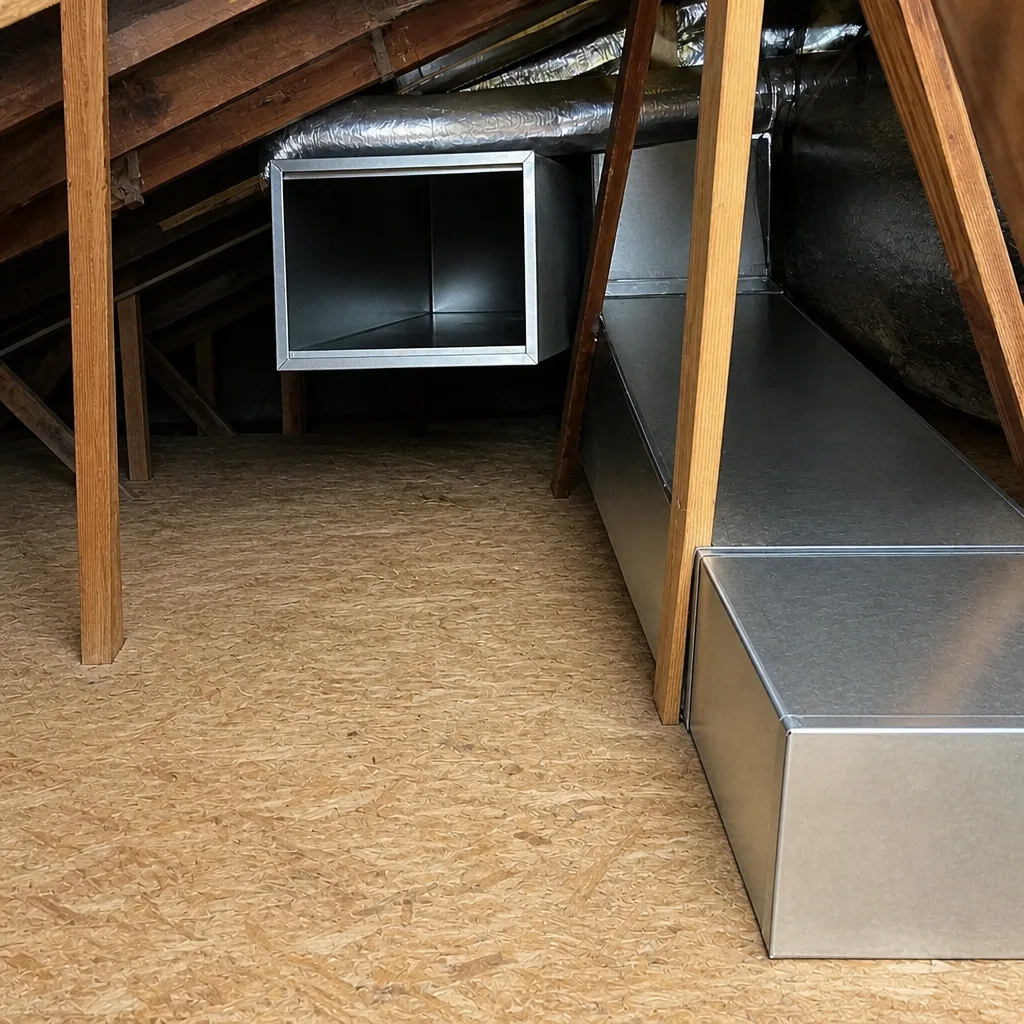 After
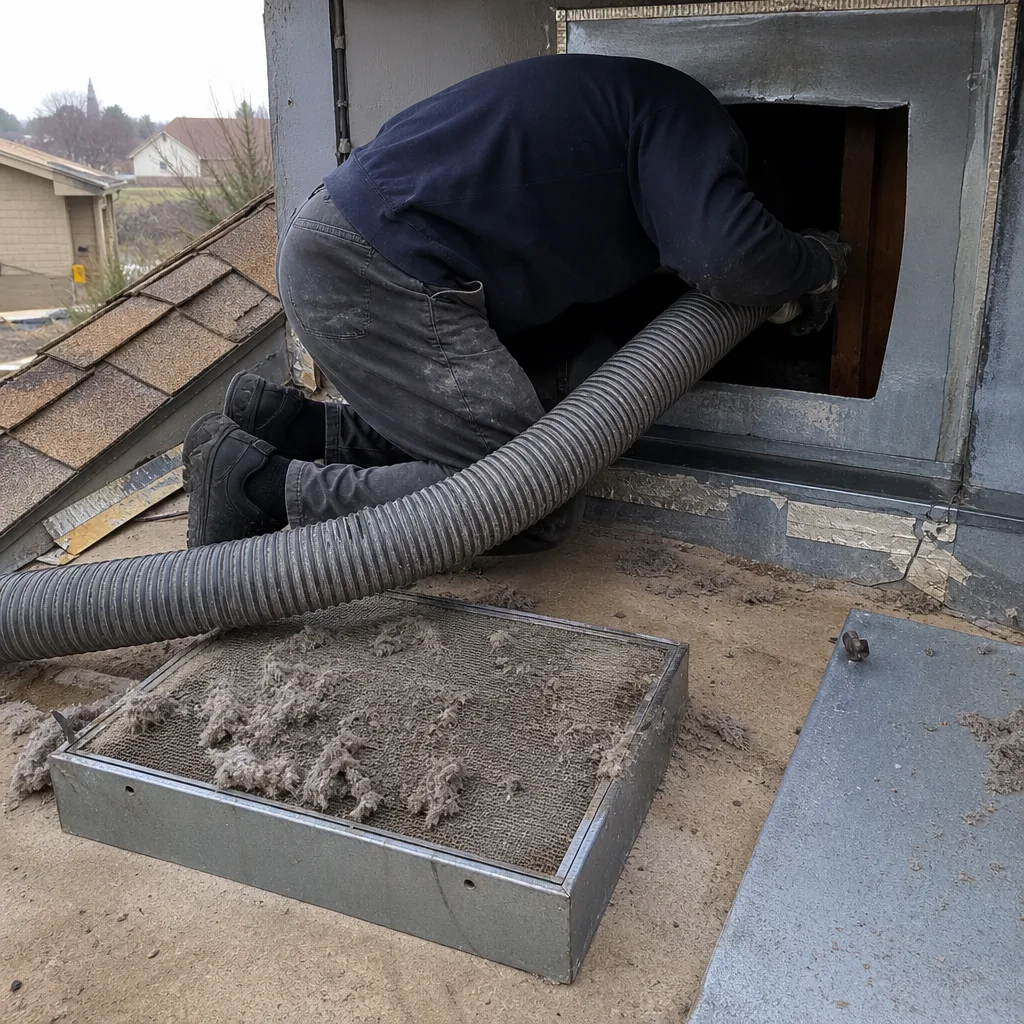 Before
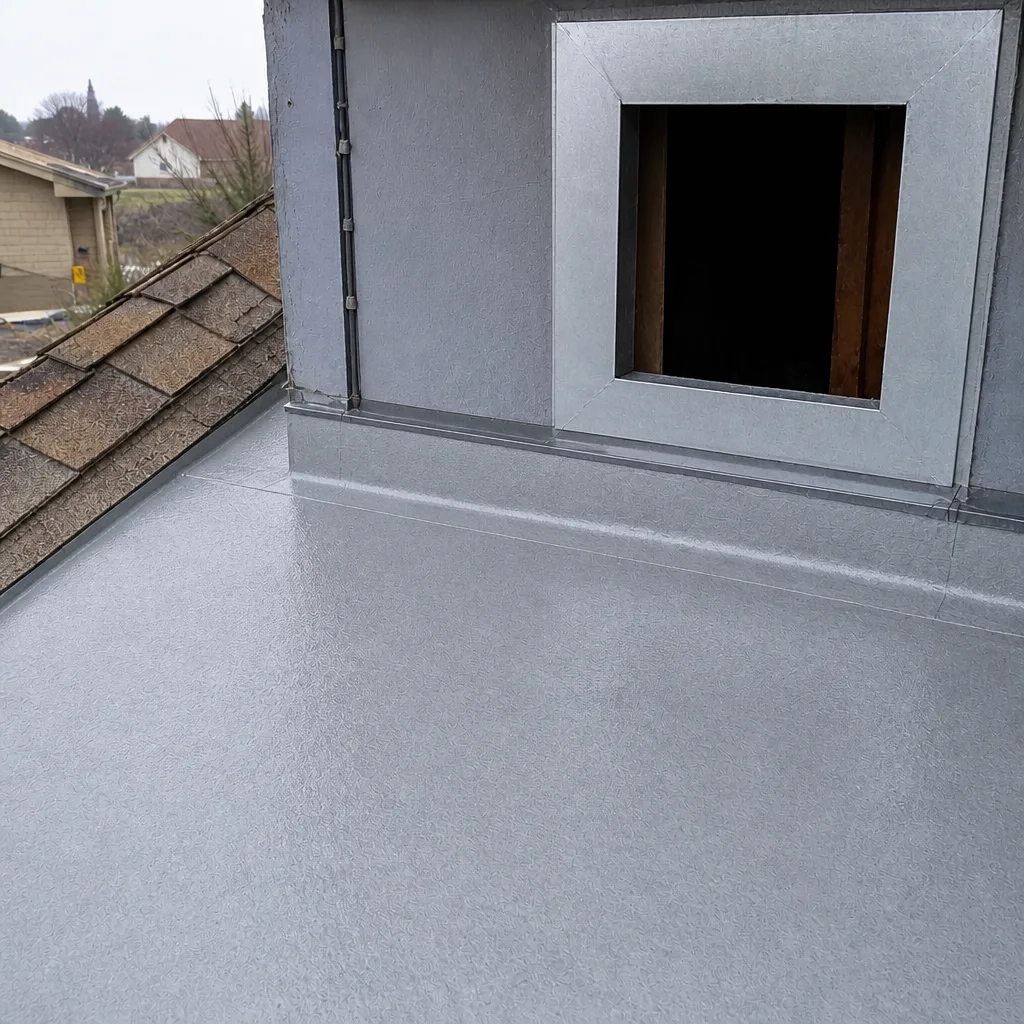 After
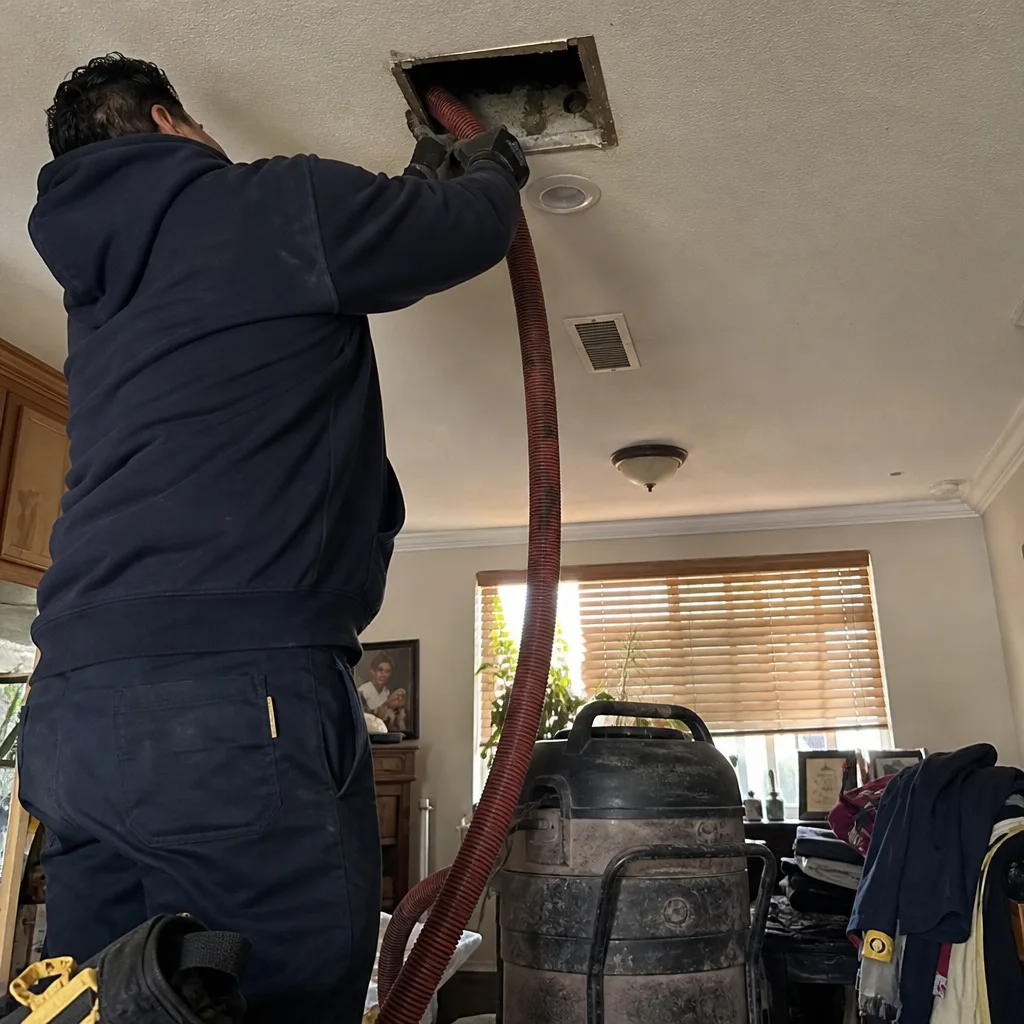 Before
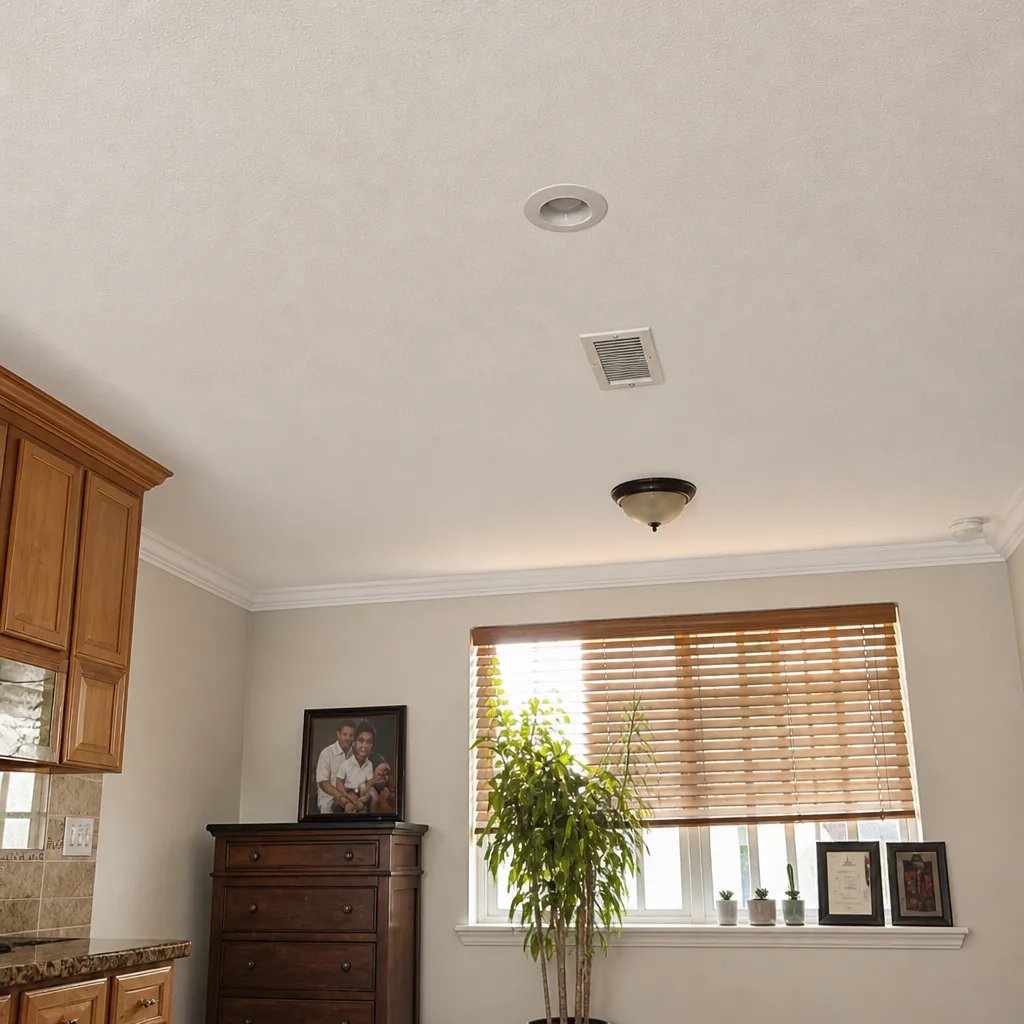 After
When to Call a Professional
Call us when the visible debris is beyond the register, when a recent renovation left drywall dust in the returns, when you’ve seen rodent or insect activity inside the system, when allergies or asthma have gotten worse at home with no other explanation, or when the energy bill has crept up without a change in habits. Also call if you’ve tried a DIY clean and noticed new dust, less airflow, or a whistling register. Duct Cleaning Santa Maria offers free estimates in Santa Maria – call (833) 630-1949. We answer 24/7. Fast dispatch from 7am to 7pm, Sunday through Friday. One flat price per system, agreed in writing before work starts, with before-and-after photos of your own ducts at the end.
Frequently Asked Questions
The price is set per system, not per vent, and it’s quoted in writing before any work starts. Total cost depends on the number of supply and return runs, the condition found during inspection, and whether repair is needed. We give one flat price per system on the written estimate, and that number is what stands. Call (833) 630-1949 for an exact quote – estimates are free.
You can rent equipment, but a consumer-grade vacuum cannot hold negative pressure across a whole duct system, and that’s what’s needed to pull debris out of the far runs. A homeowner rental typically reaches the visible register area; the trunks and branches stay as they were. If the visible portion is the only concern, DIY cleaning of grilles and boots is reasonable between professional visits.
Cheap quotes usually cover less. Common shortcuts include per-vent pricing that grows once the technician is on site, skipping the air handler plenum, no containment zone, or no inspection for duct breaches. Ask specifically what’s included in the number, whether containment tools are used, and whether the price is flat for the whole system. Call (833) 630-1949 for a written estimate you can compare against.
Before-and-after photos of your own ducts. Ask for that commitment when you book. On our jobs, we photograph the system before and after cleaning, and if we find a breach, we tell you before touching the system further so repair is a scoped decision, not a surprise invoice. Call (833) 630-1949 to schedule an inspection-first visit.
Most homes need it every three to five years, with some cases sooner: after a remodel, after moving into a home you didn’t build, with pets, or in homes with allergy or asthma concerns. Santa Maria’s field dust and pollen load pushes filter replacement more frequently than the manufacturer interval suggests. Nobody needs an annual cleaning by default – ask for an inspection first. Call (833) 630-1949 for a free estimate.
Usually not in a catastrophic way, but pushing debris deeper into a flex run or a transition is common, and so is crushing the wire helix of a flex duct. Once that happens, a professional job becomes longer and, if the duct is breached, more expensive. If you’ve already tried, call (833) 630-1949 and we’ll inspect first and tell you what we see.
The Bottom Line
The DIY vs professional decision on duct cleaning comes down to two physical facts: access and pressure. You can access the register; you cannot pressurize the whole system. Register cleaning, filter replacement, grille washing and seasonal inspection are worth doing yourself, and they extend the interval between professional cleanings. When visibility beyond the boot is the concern, when flex runs are involved, or when a prior attempt has displaced debris, the job needs source vacuum, negative pressure, and equipment designed for the interior of a duct. Our technicians have up to 8 years of experience, we set one flat price per system in writing, and we finish with before-and-after photos of your own ducts. Cleaner air isn’t a promise – it’s a process, and that’s ours.
Call (833) 630-1949 for a free estimate. We answer 24/7. Fast dispatch from 7am to 7pm, Sunday through Friday. Duct Cleaning Santa Maria serves Santa Maria homeowners and property managers with air duct cleaning, air duct repair, and dryer vent cleaning under one provider.
Written by the team at Duct Cleaning Santa Maria.