
Last updated November 15, 2026
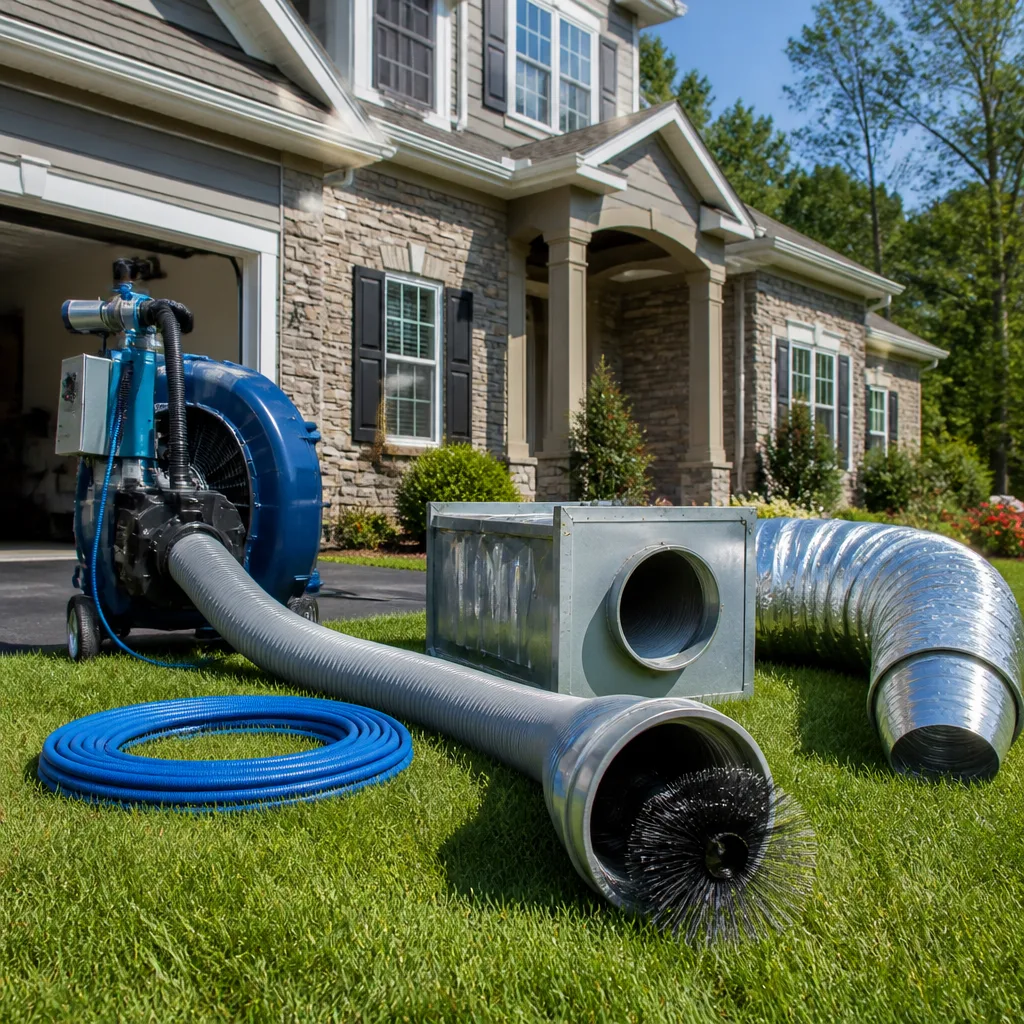 Whole-home duct cleaning
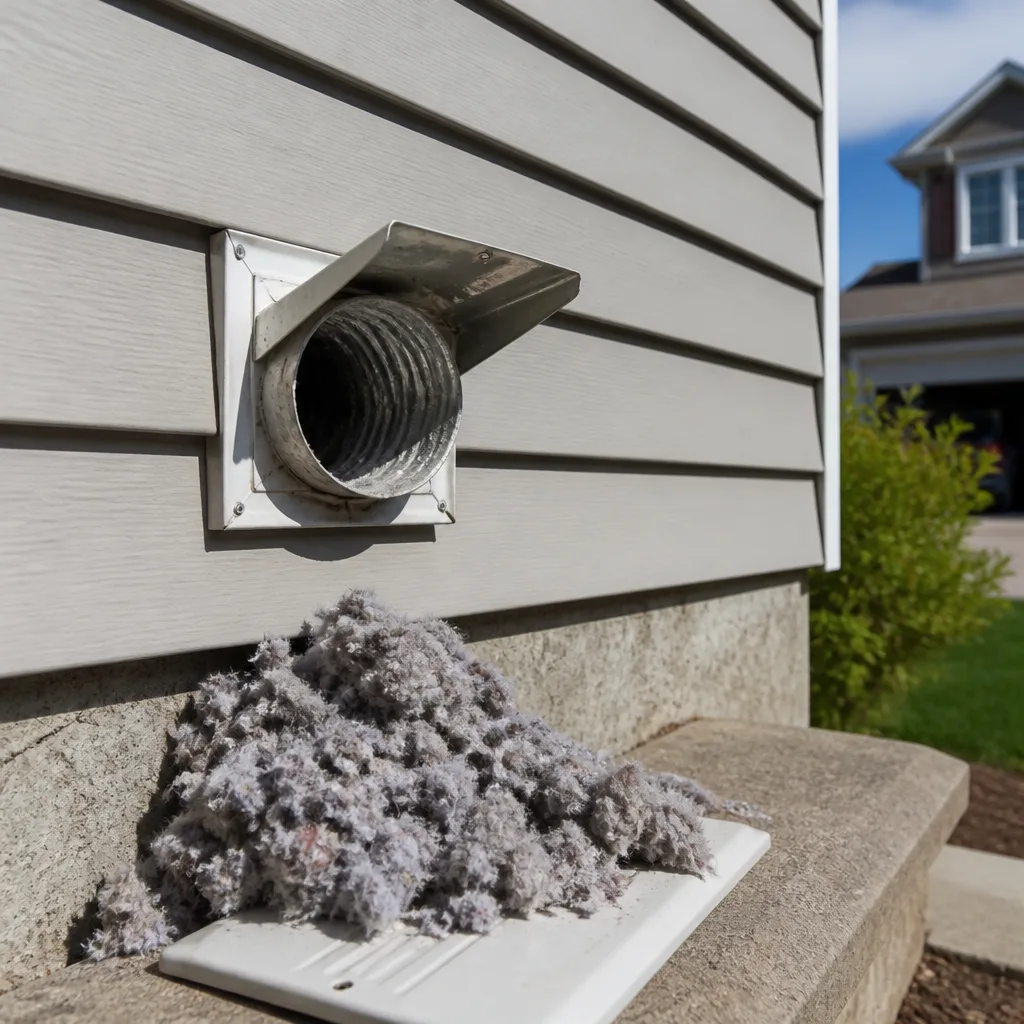 Dryer vent cleaning
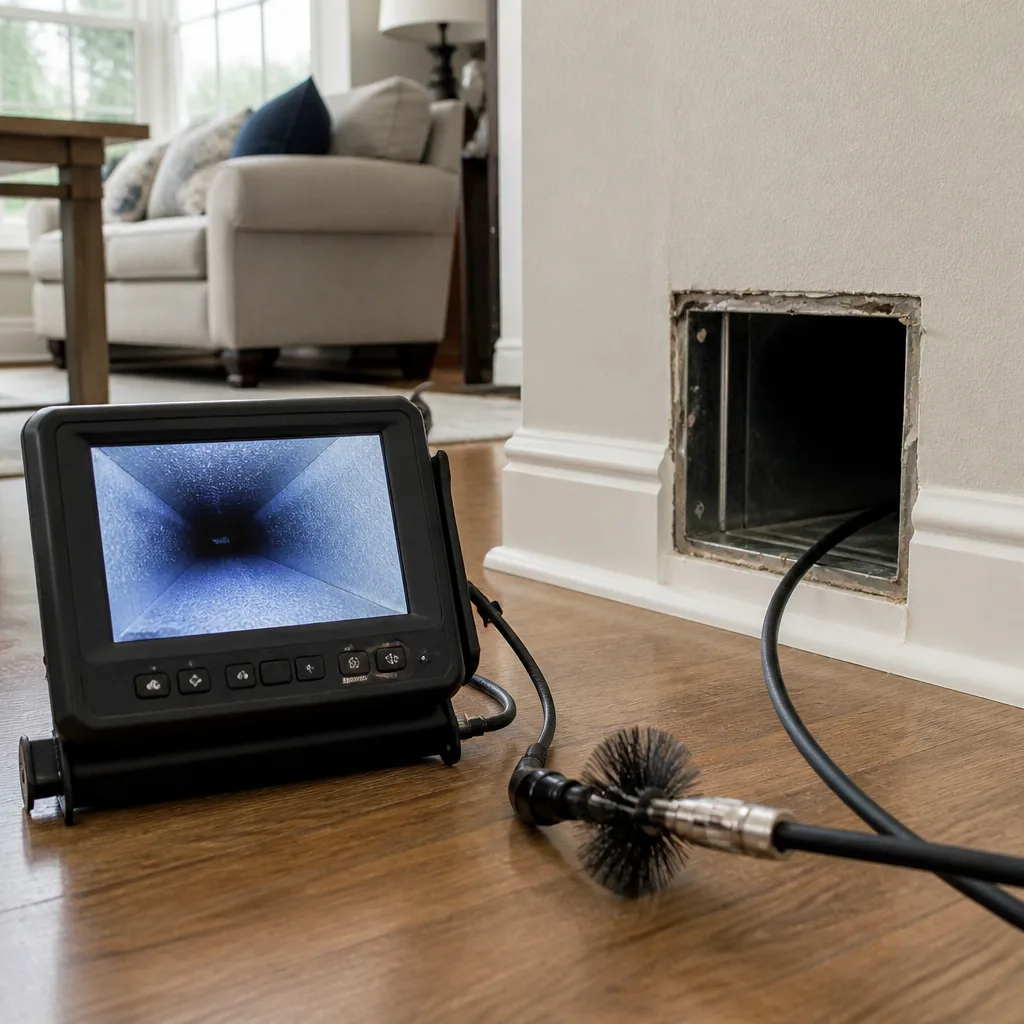 Camera inspection
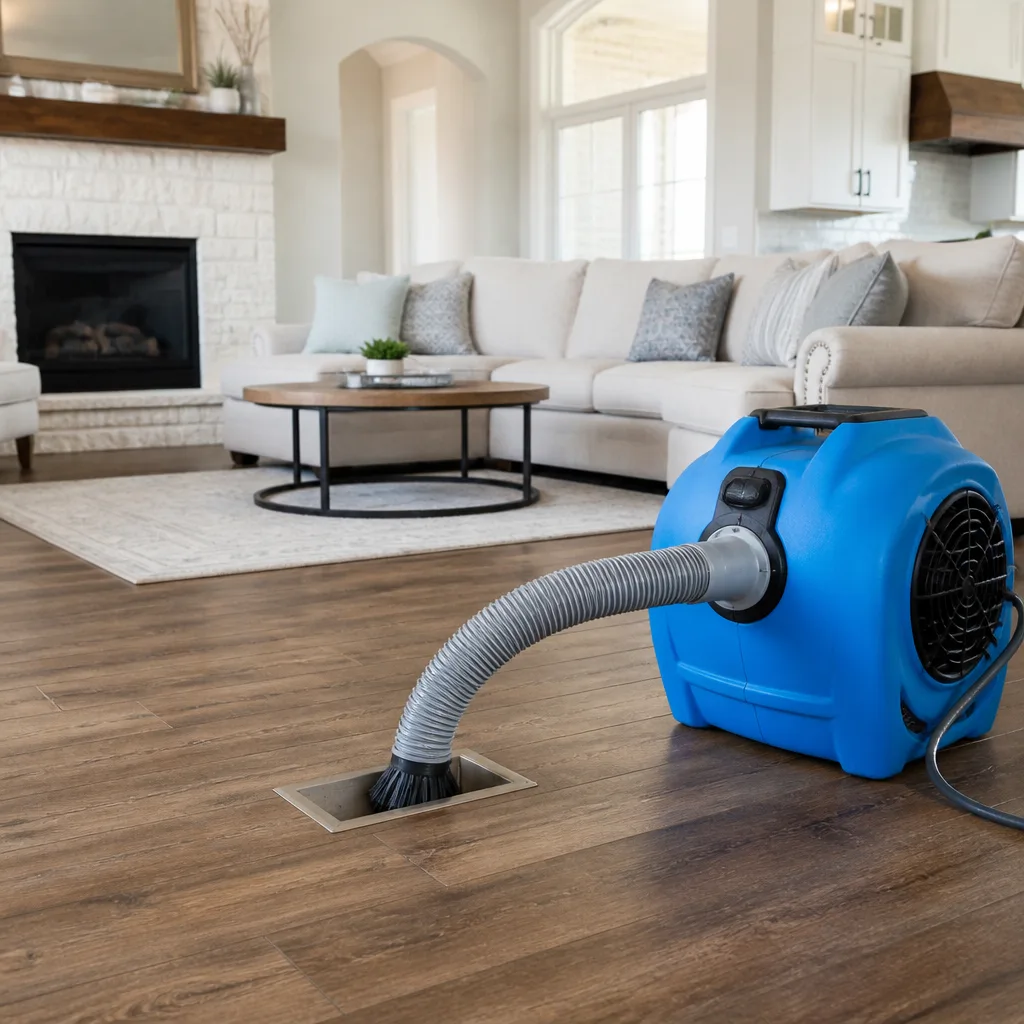 Sanitizing & deodorizing
Whole-system duct and dryer vent check with before-and-after photos - you see exactly what came out of your vents
That "$99 whole-house special" is a bait ad - the real number appears once they are in your hallway, or the "clean" is a shop-vac at the register. We photograph the inside of your ducts before and after instead.
Seasonal Air Duct Cleaning Care for Santa Maria: Year-Round Homeowner’s Guide
The worst time to discover your ducts are clogged is the first cold morning you turn on the heat in October. By then, summer’s accumulated dust has baked onto your heat exchanger, and the smell that fills the house is the result. Most duct care advice assumes a four-season climate with a hard winter and a hard summer. Santa Maria doesn’t work that way. Our year is shaped by fog, wind events, and harvest dust from the fields around us, and duct maintenance has to follow those rhythms instead of a calendar printed in a colder part of the country. This guide maps duct care to the seasons Santa Maria actually has, and tells you when to clean, when to inspect, and when to wait.
Quick Answer
In Santa Maria, duct systems load up fastest during harvest season (August through October), when agricultural particulate from surrounding flower and vegetable fields enters homes faster than in urban areas. The critical service windows are pre-cooling season in April and May, pre-heat season in October, and the fog months of December through February, when condensation inside poorly insulated ducts can support microbial growth. A full professional cleaning once a year, timed to late summer or early fall, plus a visual inspection before you first run the furnace, covers most Santa Maria homes.
Styles & brands we work with
- Whole-home duct cleaning
- Dryer vent cleaning
- Camera inspection
- Sanitizing & deodorizing
Table of Contents
- Why Santa Maria’s Climate Breaks the Standard Duct Care Calendar
- Pre-Summer Prep: April and May
- Harvest Season: August through October
- Pre-Heat Season Inspection: October
- The Winter Fog Window: December through February
- Post-Diablo Wind Event Protocol
- Spring: The Forgotten Inspection Month
- When to Call a Professional
- Frequently Asked Questions
Why Santa Maria’s Climate Breaks the Standard Duct Care Calendar
Most duct cleaning advice you’ll find online was written for places with a real winter and a real summer. The logic goes: clean in spring before cooling season, clean again in fall before heating season, and that’s the year handled. Santa Maria doesn’t fit that model, and homeowners here who follow it end up cleaning at the wrong times. Our seasons are less about temperature swings and more about what’s in the air.
Three forces drive duct loading in Santa Maria more than anything else. The first is agricultural dust. The flower and vegetable fields that surround the city generate fine particulate through the growing and harvest months, and that particulate finds its way indoors through every gap in the envelope. The second is the marine layer, the low fog that sits over the valley and keeps humidity elevated for weeks at a stretch in winter. The third is offshore wind, the Diablo wind events that push dry, high-pressure air from the interior toward the coast and pull fine dust into homes along the way.
Each of these stresses your duct system differently. Agricultural dust is a volume problem: it accumulates fast and loads filters and duct interiors quicker than typical household dust. Fog is a moisture problem: condensation on cool duct surfaces, especially poorly insulated runs in attics or crawlspaces, creates conditions where microbial growth can take hold on accumulated debris. Offshore wind is an intrusion problem: it drives fine particulate through the same gaps that let conditioned air escape, so you get dust loading and energy loss at the same time.
What this means practically is that duct care in Santa Maria is less about “clean twice a year on a schedule” and more about matching the work to what the season just did to your system. A home near the fields east of town loads faster in August than a home closer to the center, and a home with attic ductwork sees more condensation issues in January than one with ducts in conditioned space.
If you want the baseline on what a full cleaning actually involves before we get into timing, our air duct cleaning page walks through the equipment and process. The rest of this guide is about when to schedule it and what to check between visits.
Pre-Summer Prep: April and May
The window between the end of the rainy season and the first sustained warm days is the best time of year to clear ducts before cooling season. Santa Maria’s summers aren’t brutal, but they’re long enough that an AC system running against restricted airflow works harder than it should for months. Ducts that are loaded with winter debris force the blower to push against resistance, and that shows up as longer run times and higher energy use over the whole season.
There’s a moisture angle too. During the marine layer months, cool, damp air sits over the valley. If your ducts carry a layer of accumulated dust and debris, that debris can hold moisture against duct surfaces. Combined with cool duct walls in an unconditioned attic, that’s the combination where microbial growth gets a foothold. Clearing the debris before the damp months arrive removes the food source.
Here’s how we think about the April-May window:
- Clear the system before demand starts. A full cleaning in late April or May means the AC starts the season with unrestricted airflow and clean surfaces.
- Check insulation on attic and crawlspace runs. Any duct section with damaged or missing insulation will sweat during the marine layer months. Repairing it now prevents the moisture problem before it starts.
- Replace filters at the start of the season, not the end. A filter that’s already loaded going into summer won’t do its job during the highest-demand months.
- Inspect return-air pathways. Return ducts pull from the whole house, and in homes near the fields, the return side often carries more particulate than the supply side.
- Confirm the system is sealed. Gaps at joints and connections let unfiltered air in. Sealing them before cooling season keeps the work you just paid for from being undone.
For homes with Aprilaire or Honeywell air-quality equipment attached to the system, spring is also the right time to check that the media and components are clean and functioning. A whole-home filter or humidity control that’s been sitting unused through winter deserves a look before the system starts running daily.
Harvest Season: August through October
This is the stretch that distinguishes Santa Maria duct care from duct care anywhere else. The flower and vegetable fields around the city are active through late summer and fall, and the particulate they generate doesn’t stay in the fields. It moves with the air and settles into homes, and duct systems act as collection points for it.
We’ve seen how differently homes load during harvest compared to the rest of the year. The difference isn’t subtle. Fine agricultural dust behaves differently from household dust: it’s lighter, it stays airborne longer, and it passes through standard filters more easily. Homes downwind of active fields accumulate it faster, and homes with leaky duct systems or poorly sealed returns pull it in directly rather than filtering it at the equipment.
What to watch for during harvest season:
- Visible dust on registers and return grilles. If you’re wiping them down and they’re dusty again within a week, the system is moving more particulate than the filter can handle.
- Filter loading that outpaces your usual replacement interval. A filter that used to last three months but is loading in six weeks is telling you something about what’s in the air.
- Musty or earthy smells when the system runs. Agricultural particulate carries organic material, and when it settles on damp surfaces it can produce odor.
- Increased allergy symptoms indoors. If symptoms track with the harvest calendar rather than the pollen calendar, the system is likely recirculating what’s coming in from outside.
The practical recommendation is to schedule cleaning in late August or September, before the heaviest part of the harvest and before you close the house up for the cooler months. That way the system starts fall clean, and the dust that does get in during the remaining harvest weeks has a clean system to settle into rather than a loaded one.
Homes with dedicated dryer vent cleaning needs should also think about harvest timing. Lint and agricultural dust both accumulate in vent runs, and a vent that’s already partly restricted going into a dusty season is a fire-safety concern, not just a performance one. Lint buildup is the leading cause of dryer fires, and it’s worth treating the vent as part of the same seasonal maintenance cycle as the ducts.
Pre-Heat Season Inspection: October
October is the month most Santa Maria homeowners wish they’d paid more attention to. The furnace has sat idle since spring, dust has settled inside the cabinet and on the heat exchanger, and the first cold morning you turn it on, that dust gets baked. The smell is the least of it. A heat exchanger coated in dust operates less efficiently and, in older equipment, deserves a closer look anyway.
Before you fire up the furnace for the season, here’s what we recommend checking. We’re deliberately framing this as inspection points rather than a how-to, because gas-fired equipment and anything involving the heat exchanger or flue is work for a trained professional, not a weekend project.
- Inspect the heat exchanger visually if accessible. Look for cracks, corrosion, or heavy dust buildup. If you see anything that concerns you, stop and call a professional. A failed heat exchanger is a safety issue, not a performance one.
- Confirm the flue and venting are clear. Blocked or deteriorated venting is a carbon monoxide risk. This is not a component to troubleshoot yourself.
- Check the filter and replace it before first run. A filter that sat through summer is loaded. Starting the heating season with a fresh filter protects the equipment.
- Look at the duct connections at the air handler. Vibration over the cooling season can loosen connections. Gaps at the plenum or at the first few feet of duct are common and let unfiltered air into the system.
- Run the system briefly and note any odor. A dusty smell that fades within a few minutes is normal for a first run. A smell that persists or smells like gas means shut it down and call for service.
If the inspection turns up gaps at connections or damaged duct sections, that’s what our air duct repair service addresses. We’d rather identify a breach and fix it than clean a system and leave the underlying problem in place. That’s the difference between a cleaning and a repair, and it matters in October when the system is about to run daily for months.
The Winter Fog Window: December through February
Santa Maria’s winter is defined less by cold than by fog. The marine layer sits low over the valley for weeks, and indoor humidity climbs. For duct systems, that’s the season where moisture becomes the primary concern, especially in homes with ductwork in attics or crawlspaces that stay cool and damp.
The mechanism is straightforward. Cool duct surfaces in an unconditioned space meet humid air and condense. If the duct interior has a layer of accumulated debris, that condensation wets the debris, and wet organic material on a duct surface is exactly the condition that supports microbial growth. That growth is what produces the musty smell that some Santa Maria homeowners notice in January and February but can’t trace to a source.
What to watch for during the fog months:
- Musty odor that appears when the system runs but isn’t present when it’s off. That points to the duct system as the source rather than the room.
- Condensation on exposed duct surfaces in the attic or crawlspace. Any visible moisture on a duct run is a warning sign.
- Insulation that’s damaged, missing, or compressed on runs in unconditioned space. That’s the root cause of most winter condensation problems.
- Increased allergy or respiratory symptoms that track with the fog season rather than with outdoor pollen.
If you find any of these, the right response is an inspection rather than a cleaning. Sometimes the answer is a cleaning and insulation repair. Sometimes it’s a cleaning plus treatment of affected surfaces. In our experience, fog-season problems are about the condition of the duct surfaces and the insulation, not just the amount of debris.
Proper containment matters here. Working on a duct system that has microbial growth on interior surfaces requires the same negative-air containment setup used in professional remediation work. Abatement Technologies equipment is the standard, and it’s what we use on fog-season calls where the duct interior needs more than a vacuum.
Post-Diablo Wind Event Protocol
Diablo wind events are offshore flows, high pressure from the interior pushing dry air toward the coast. They’re associated with fire weather and with a lot of fine particulate in the air. When one passes through, homes in Santa Maria end up with a lighter, drier, finer dust load than they get from normal winds, and that dust penetrates gaps and settles into duct systems efficiently.
Here’s the practical question: after a Diablo wind event, should you inspect or wait? The answer depends on what the event did to your home.
- Check registers and returns the day after. A visible coating of fine dust on return grilles means the system pulled particulate in during the event.
- Replace the filter immediately. This is the one step that doesn’t wait. The filter caught what it could, and it’s now loaded.
- Note any odor. Smoke odor from nearby fires, or a dry dust smell that persists past a day, means the system is circulating particulate that settled inside the ducts.
- Wait two weeks before scheduling a full cleaning unless the odor persists. A single wind event usually loads the filter more than the duct interior. If you cleaned in the previous harvest season, the system has capacity to absorb one event.
- Inspect if the event was followed by visible dust inside the home that persists after you’ve cleaned surfaces. That’s a sign the system is actively recirculating dust rather than holding it.
The exception is a home with known leaky ductwork. If your ducts have unsealed joints or breaches, a wind event delivers far more particulate into the system than it would to a sealed system. In that case, the right move is an inspection first, then repair, then cleaning. Our Santa Maria service page outlines the full scope if you want to know what an inspection covers.
Spring: The Forgotten Inspection Month
March and April are the quiet stretch in Santa Maria duct care, and that’s exactly why they matter. The fog has lifted, harvest hasn’t started, and the system is running lightly. This is the month to look at the system without the pressure of a season turning.
Spring is when we recommend a full inspection if you haven’t had one recently. Not necessarily a cleaning unless the system needs it, but an inspection. The things worth checking are the same things that cause problems later in the year:
- Duct connections and seals at the air handler and at each branch takeoff.
- Insulation condition on all runs in unconditioned space, before the fog season stresses it.
- Any evidence of pest intrusion in duct runs. This is more common than most homeowners realize and often shows up as pest debris in return ducts.
- The condition of the blower and air handler, which should be inspected by an HVAC professional alongside the duct work.
- Air-quality equipment attached to the system. Honeywell and Aprilaire components need periodic service, and spring is the sensible time to confirm they’re functioning.
An inspection in spring gives you a repair list you can work through before the seasons that actually stress the system. A breach found in March gets fixed in March. The same breach found in September gets fixed after harvest has already loaded the system. Timing matters.
See the difference
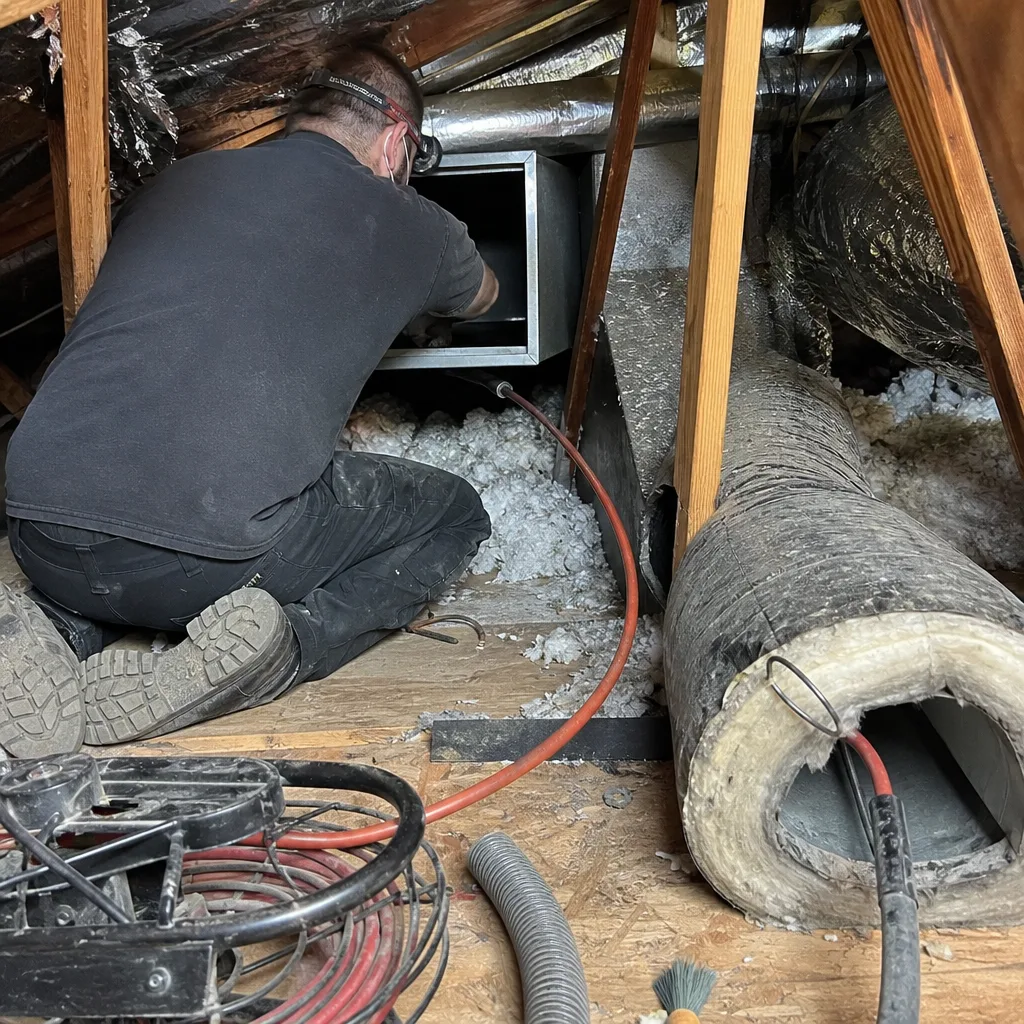 Before
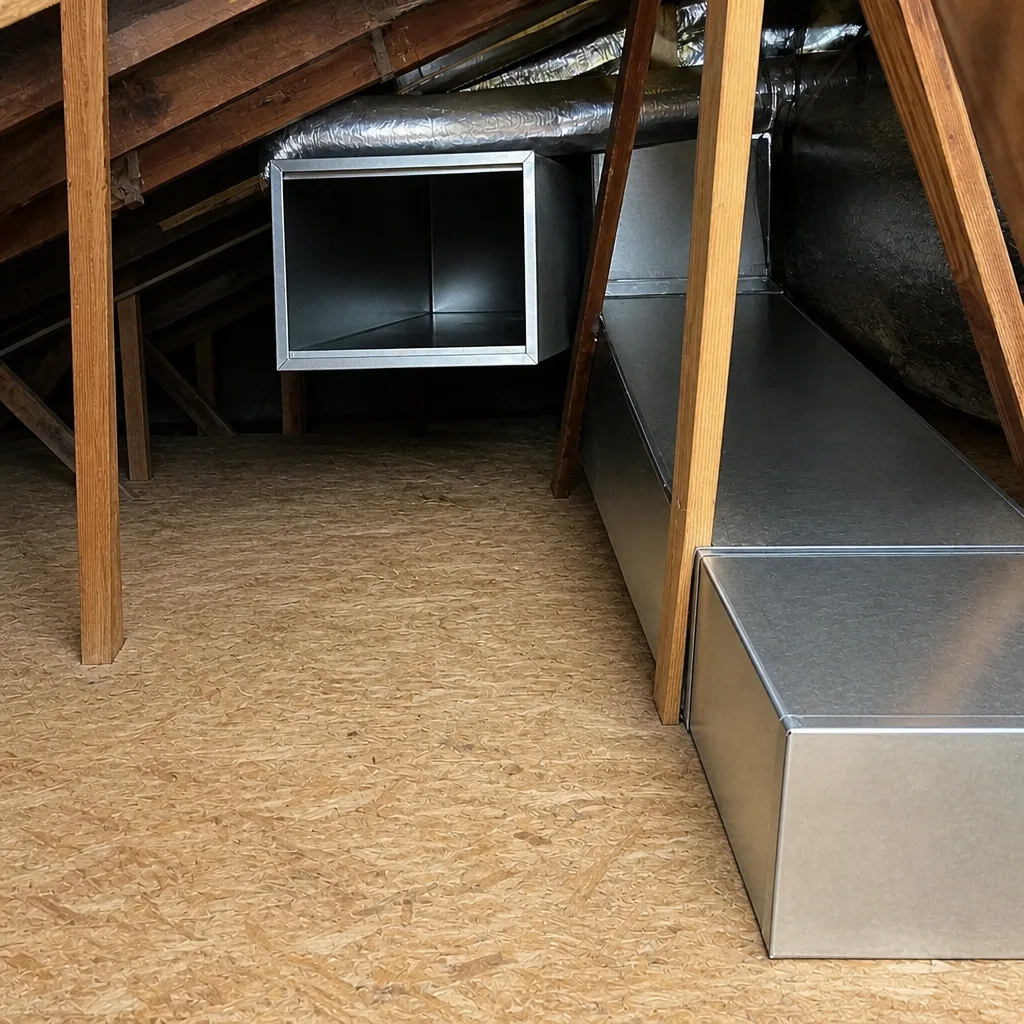 After
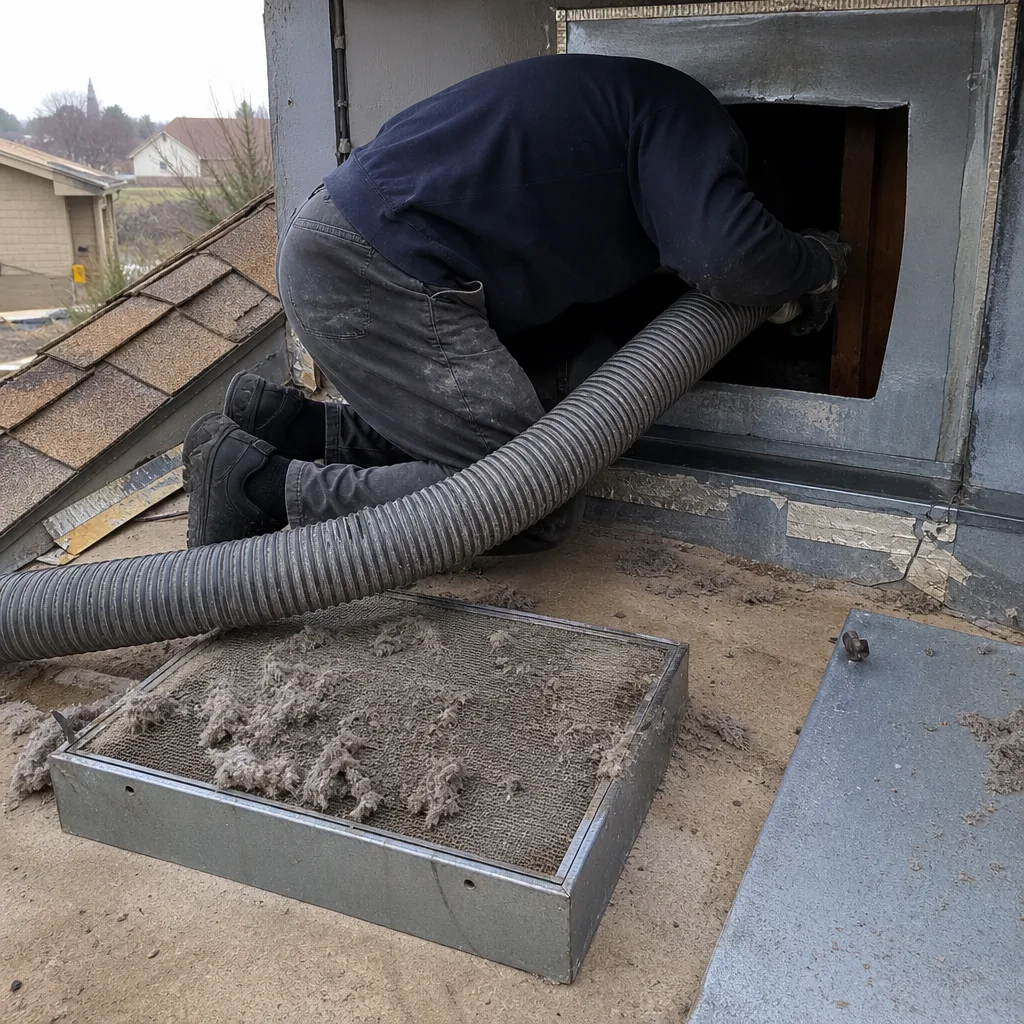 Before
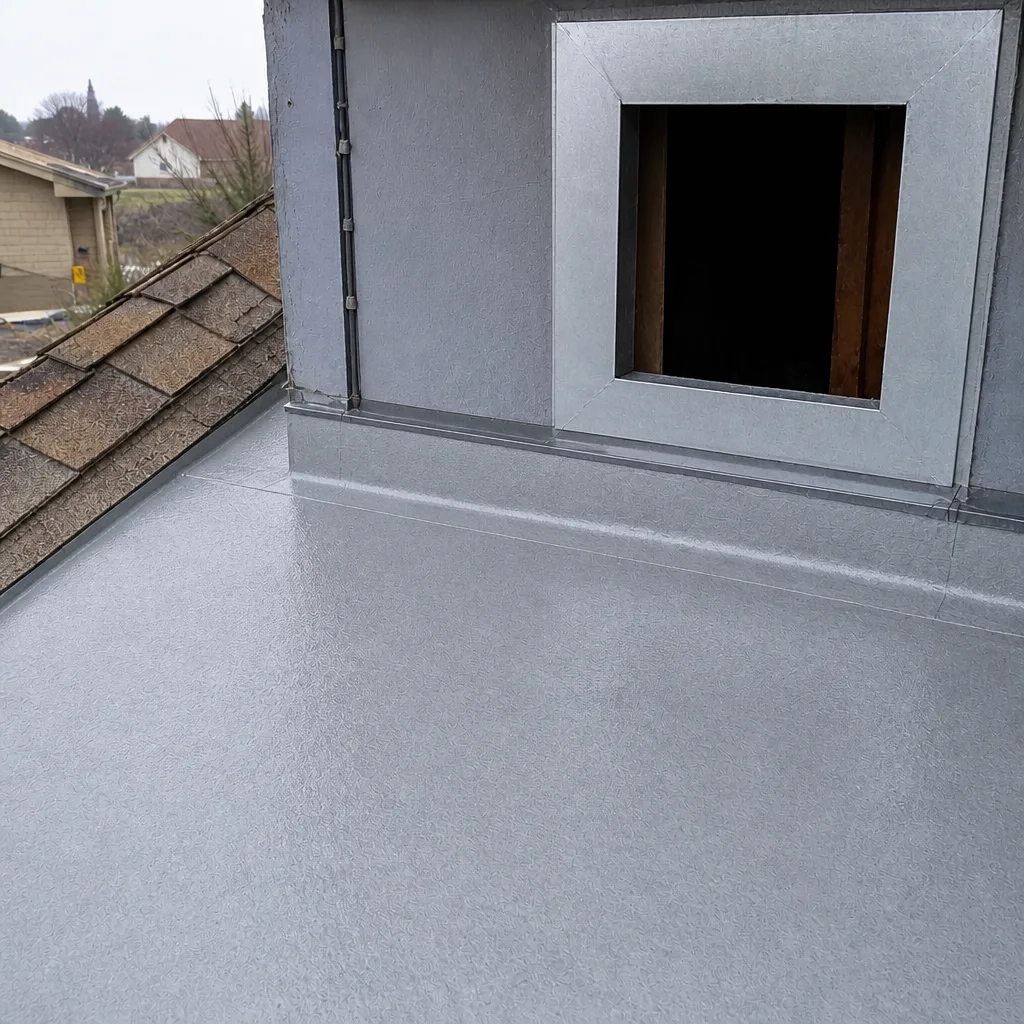 After
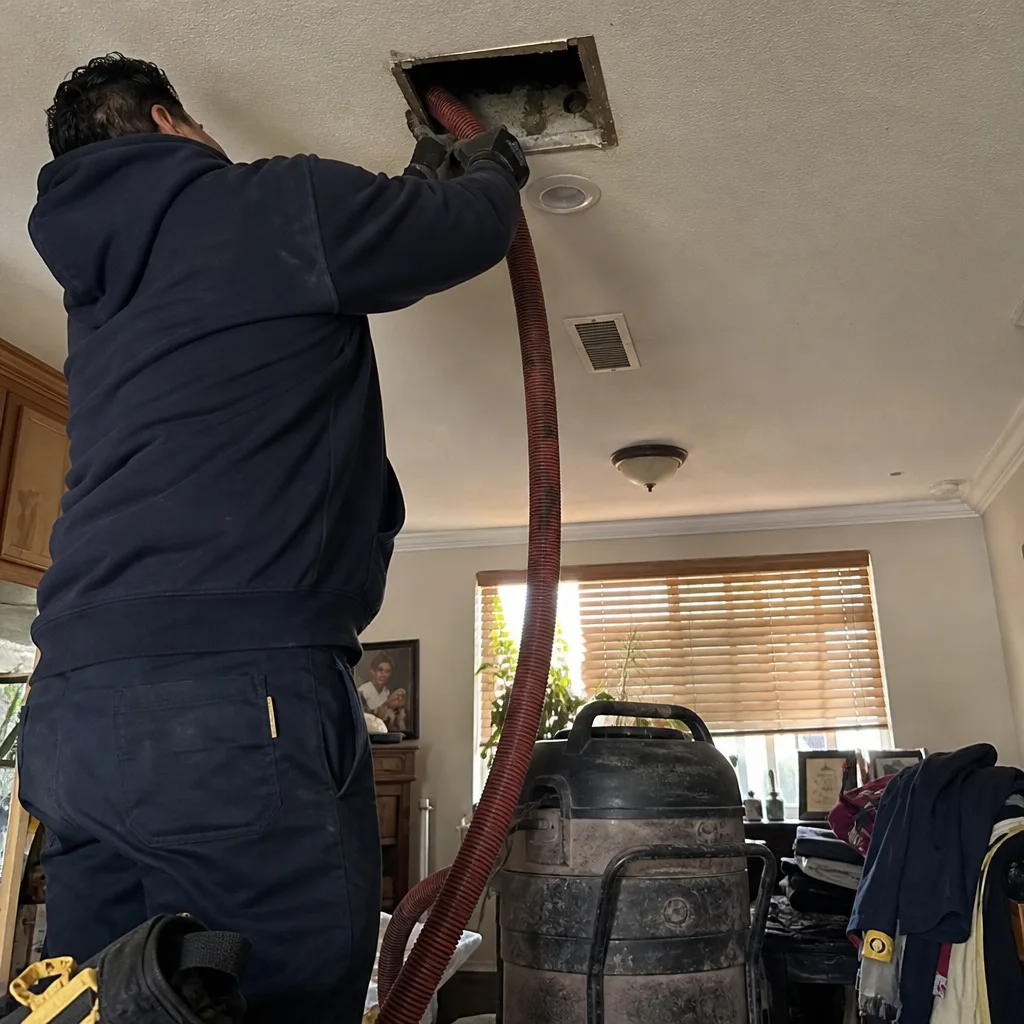 Before
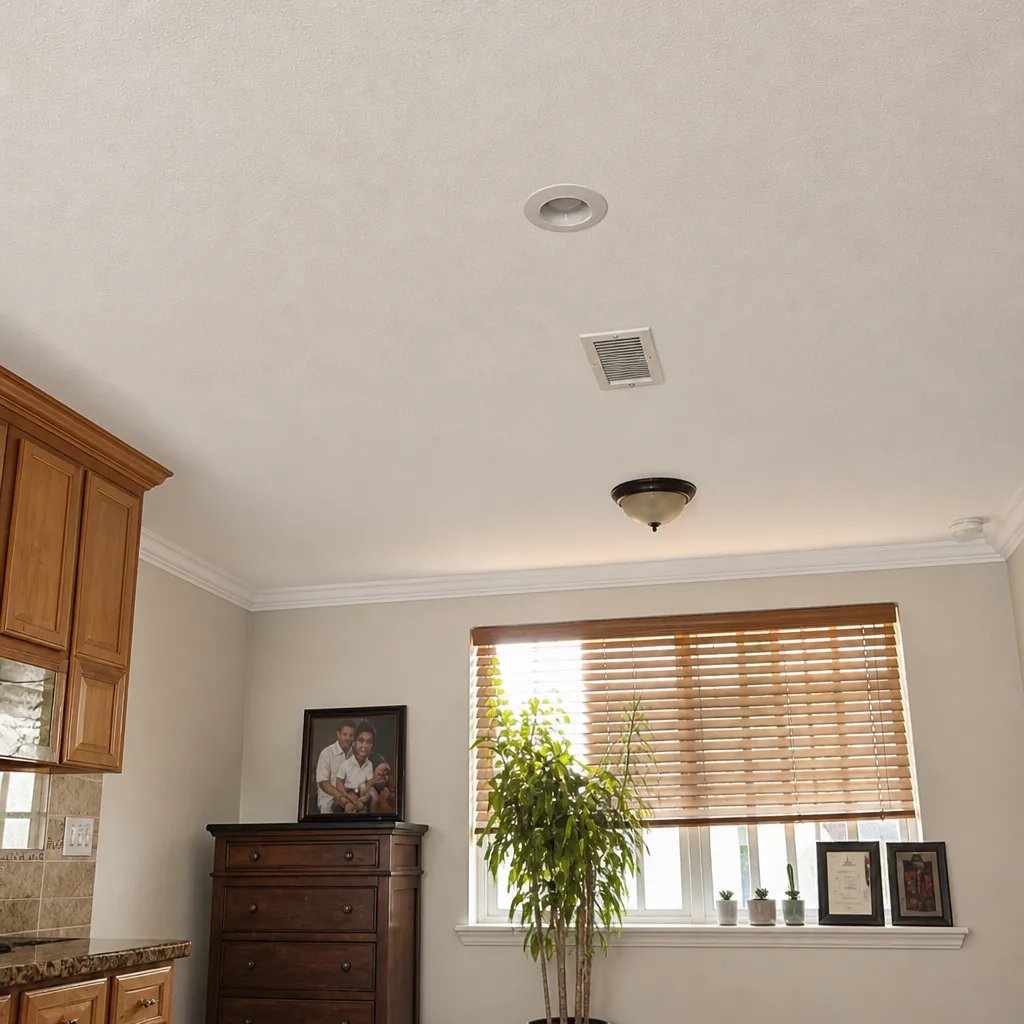 After
Common Mistakes to Avoid
- Following a four-season calendar that doesn’t match Santa Maria. Cleaning in spring and fall because that’s what the national advice says, when your actual loading happens in late summer and after wind events, means you’re cleaning at the wrong times. The results will look fine on paper and won’t match what the system actually needs.
- Cleaning without checking for breaches. A cleaning that moves air through a leaky system is partly a cleaning of the attic or crawlspace. If the ducts aren’t sealed, the work doesn’t hold and the same dust comes back in. Find the breaches first, then clean.
- Waiting for a visible problem before scheduling. By the time dust is visible on registers, the system has carried it for weeks. Seasonal timing prevents the visible problem rather than responding to it.
- Skipping the filter replacement around a wind event. Replacing a filter after a Diablo wind event is the single highest-return step, and it takes a minute. Skipping it means the loaded filter either restricts airflow or, worse, fails and lets particulate through.
- Ignoring fog-season mustiness. A musty smell in January isn’t a nuisance; it’s a signal that moisture is acting on the duct interior. Waiting until spring means several months of growth conditions before anything changes.
- Treating the dryer vent as separate from duct maintenance. The vent is a duct, and it loads with the same lint and dust that load the HVAC system. Lint buildup is a fire-safety concern, not just a performance one, and it deserves scheduled attention rather than “when I get around to it.”
- Using a shop vac or handyman-grade equipment on a full duct system. A shop vac moves air but doesn’t have the agitation or containment to actually remove what’s attached to duct walls. The result looks cleaner on the register but isn’t cleaner in the system.
When to Call a Professional
Some seasonal duct work is inspection and some is service, and the line between them is clear enough to describe. Call a professional when you see visible dust on return grilles that returns within a week of cleaning, when you smell mustiness or dust odor only when the system runs, when you find damaged insulation or gaps at duct connections, or when a Diablo wind event has left persistent dust inside the home. Call before turning on the furnace for the first time if the system sat unused through summer and you can see buildup. And call if you’re in the harvest season window with a system that hasn’t been cleaned since last year, because you’re at the point of maximum loading.
Duct Cleaning Santa Maria offers free estimates in Santa Maria. Call (833) 630-1949. We answer 24/7. Fast dispatch from 7am to 7pm, Sunday through Friday. Our technicians have up to 8 years of experience, and we use professional-grade equipment, not consumer shortcuts.
Frequently Asked Questions
Once a year for most Santa Maria homes, scheduled in late summer or early fall so the system is clean going into harvest season and the heating season. Homes near active fields or with known leaky ductwork may need more frequent cleaning, and every home should have a visual inspection before first heat in October. Annual cleaning timed to the local calendar is more effective than cleaning twice a year on a schedule that doesn’t match when loading actually happens.
Yes. Agricultural particulate from surrounding flower and vegetable fields is lighter, stays airborne longer, and passes through standard filters more easily than household dust. It also carries organic material, which is why it can produce musty or earthy odors when it settles on damp duct surfaces. In Santa Maria, homes downwind of active fields load noticeably faster than homes closer to the center during August through October. Call (833) 630-1949 for an exact quote; estimates are free.
Usually not immediately. Replace the filter right away and check registers the day after. Wait two weeks before scheduling a full cleaning unless a dust or smoke odor persists. A single wind event loads the filter more than the duct interior, and if the system was cleaned in the previous harvest season, it has capacity to absorb one event. Homes with known leaky ductwork are the exception; for those, inspect first, then repair, then clean.
Because winter in Santa Maria is fog season, and the marine layer keeps indoor humidity elevated for weeks. Cool duct surfaces in attics and crawlspaces meet that humid air and condense, which wets any accumulated debris on the duct interior and creates the conditions for microbial growth. The growth is what produces the smell. A musty odor that only appears when the system runs is a sign the duct interior needs attention, not just the air in the room.
Pricing is per job by written estimate, not per vent, because the honest cost depends on the size and configuration of your system, the number of branches, and whether repair work is needed alongside the cleaning. We don’t quote a teaser price and then add to it once we’re on site. One flat price per system is agreed before work starts, and you get before-and-after photos of your own ducts so you can see what was actually removed. Call (833) 630-1949 for a free estimate.
Before-and-after photos of your own ducts, taken during the job. That’s the standard we hold ourselves to, and it’s how you can verify the work without having to trust a verbal report. The right equipment makes the difference here: our technicians use the Rotobrush rotary-brush system and Nikro HEPA extraction, plus Abatement Technologies containment tools, which is the same standard used in professional remediation work. Guardsman-brand standards are applied to finished work quality. If a company can’t show you photos of what they removed, ask why.
The Bottom Line
Santa Maria duct care isn’t a two-times-a-year calendar exercise. It’s a schedule built around harvest dust, the marine layer, and offshore wind events, with the critical service windows in April-May, late August through October, and December through February. The single highest-value habit is a full cleaning timed to late summer, before harvest and before heating season, plus an inspection before you first run the furnace. October is when most problems could have been prevented. If you want the work done with contractor-class equipment and a written scope, call Duct Cleaning Santa Maria at (833) 630-1949. Estimates are free, the price is set per system before work starts, and you’ll see before-and-after photos of your own ducts. For the full scope of what we do, start at Duct Cleaning Santa Maria.
Written by the team at Duct Cleaning Santa Maria.