
Last updated November 15, 2026
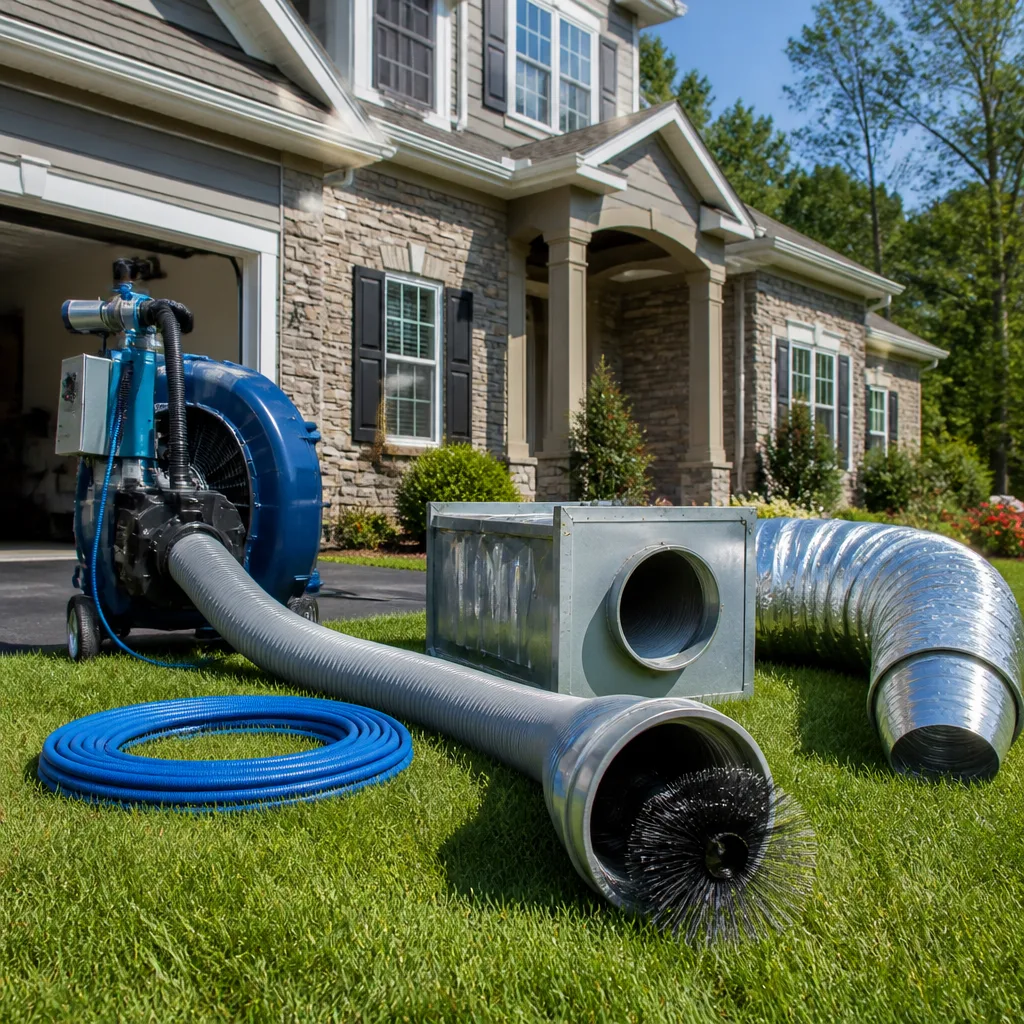 Whole-home duct cleaning
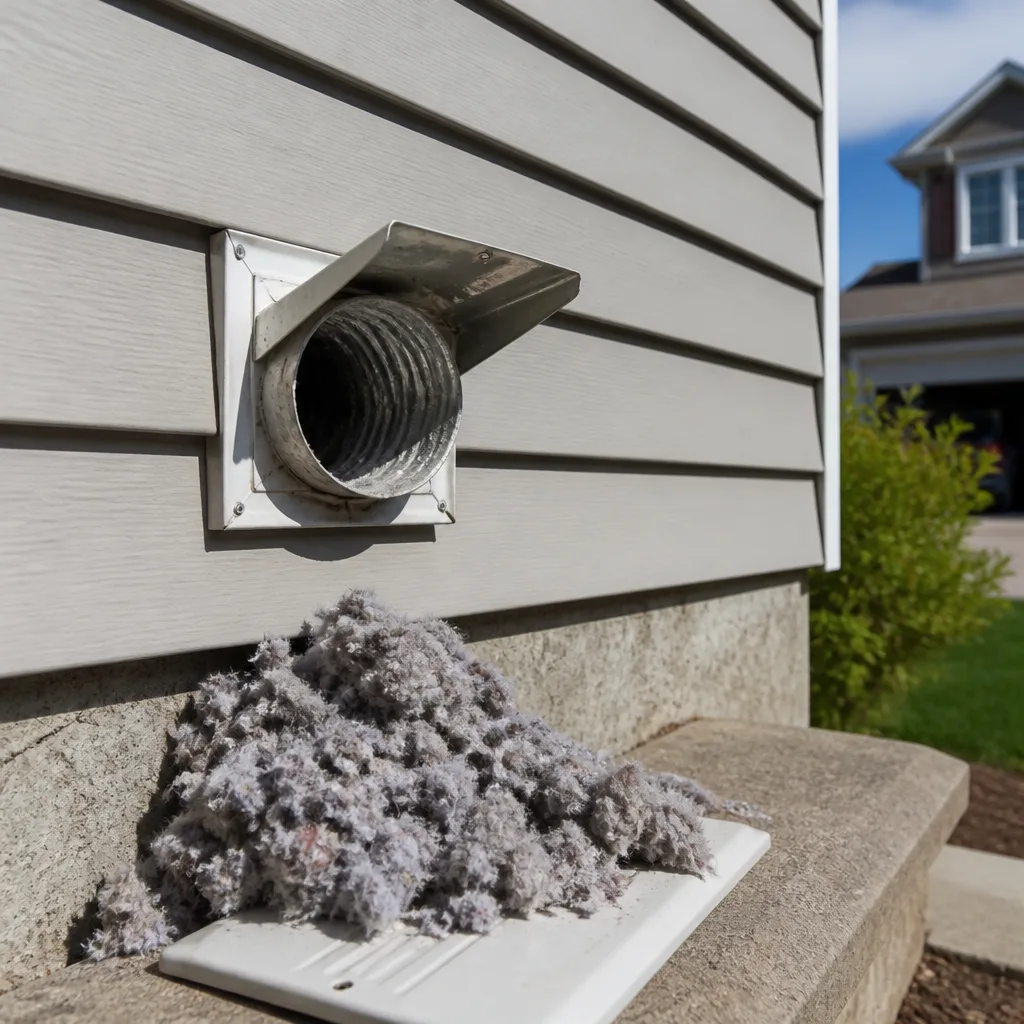 Dryer vent cleaning
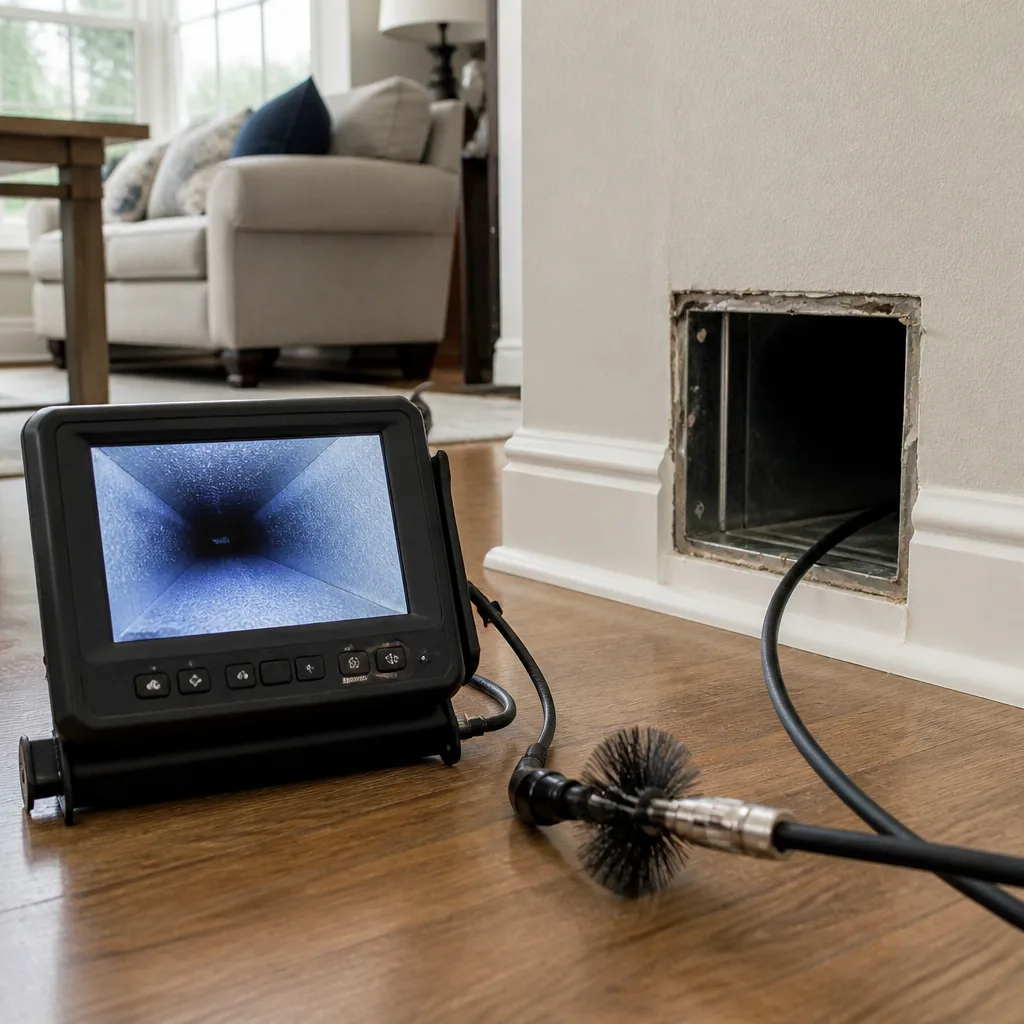 Camera inspection
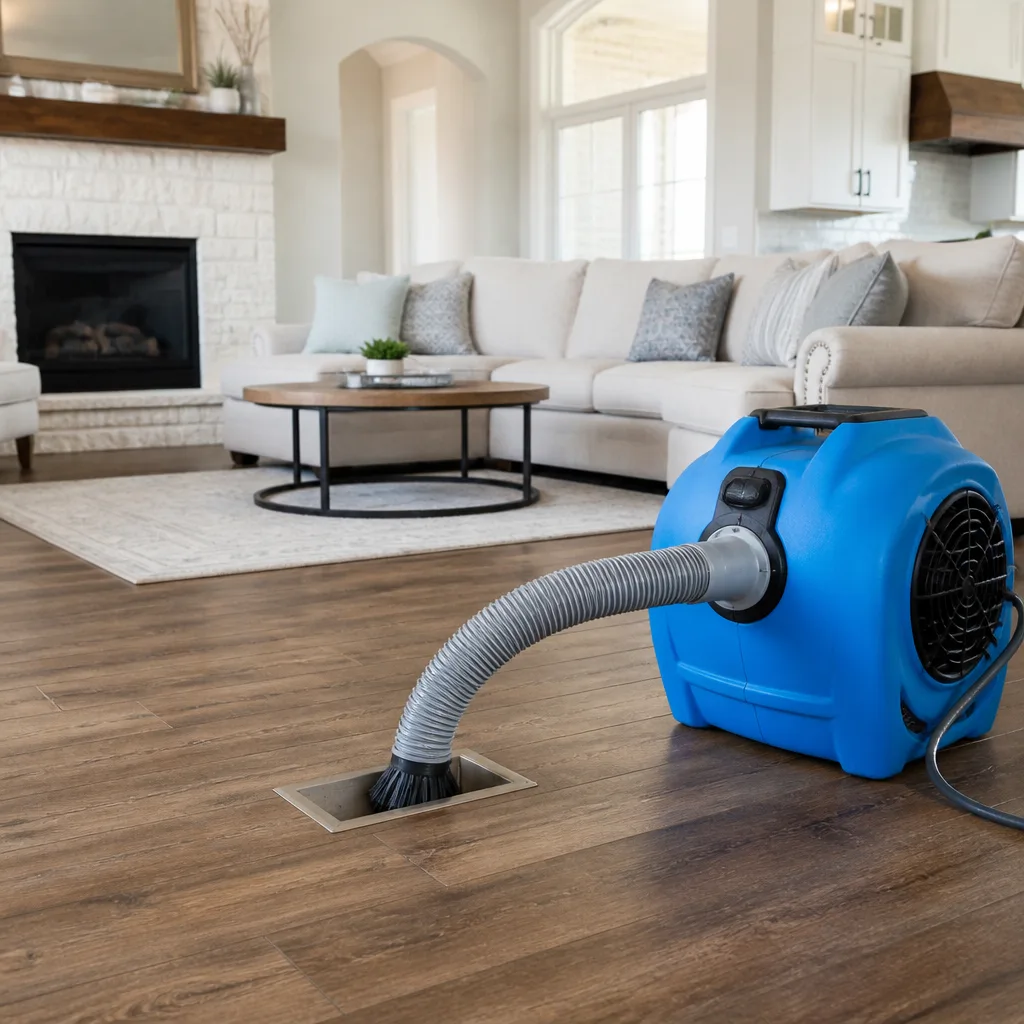 Sanitizing & deodorizing
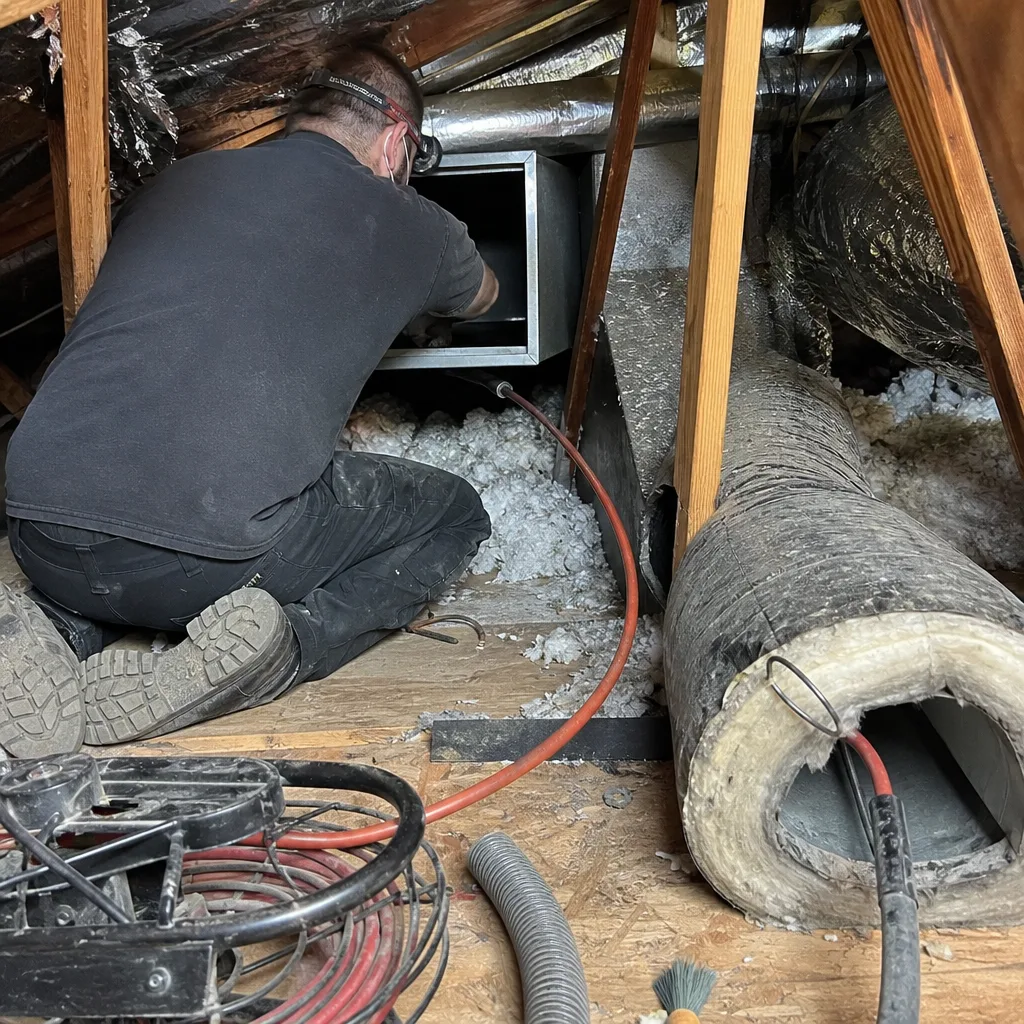
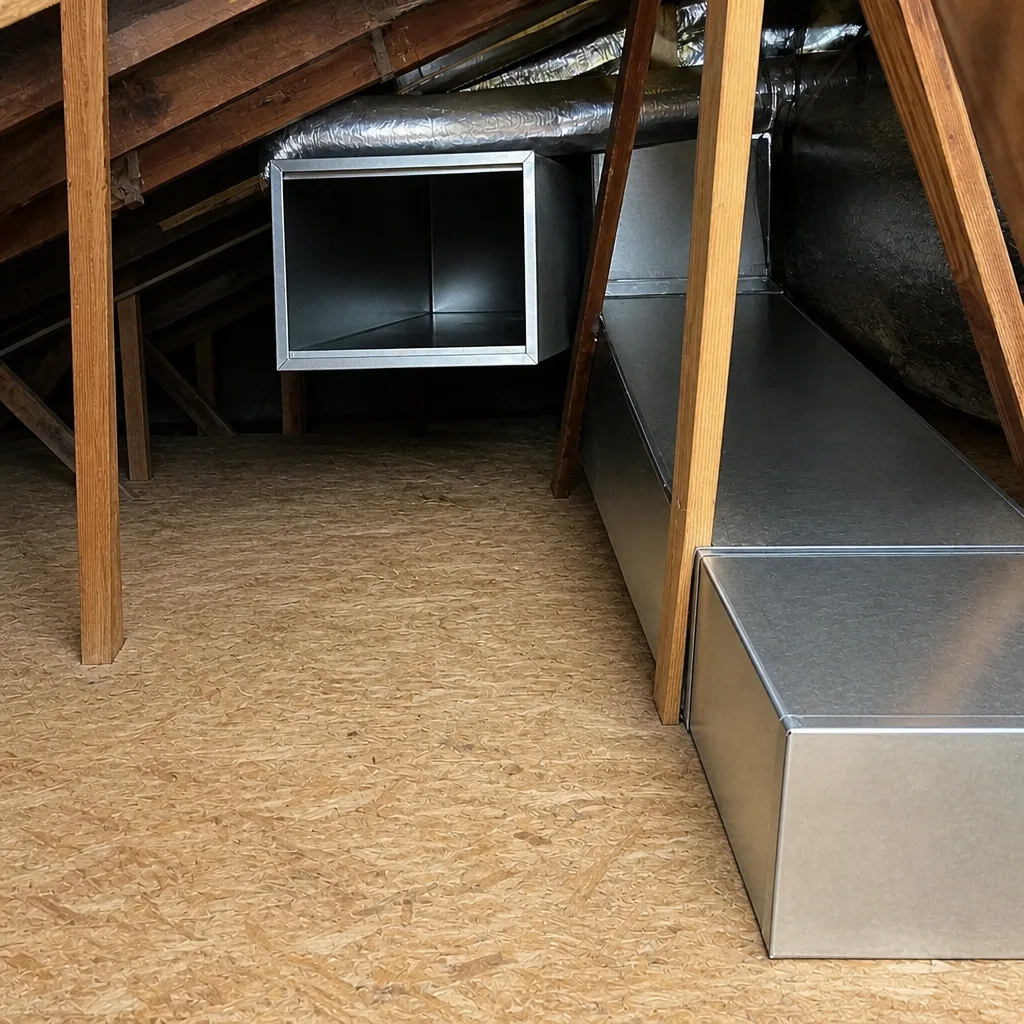
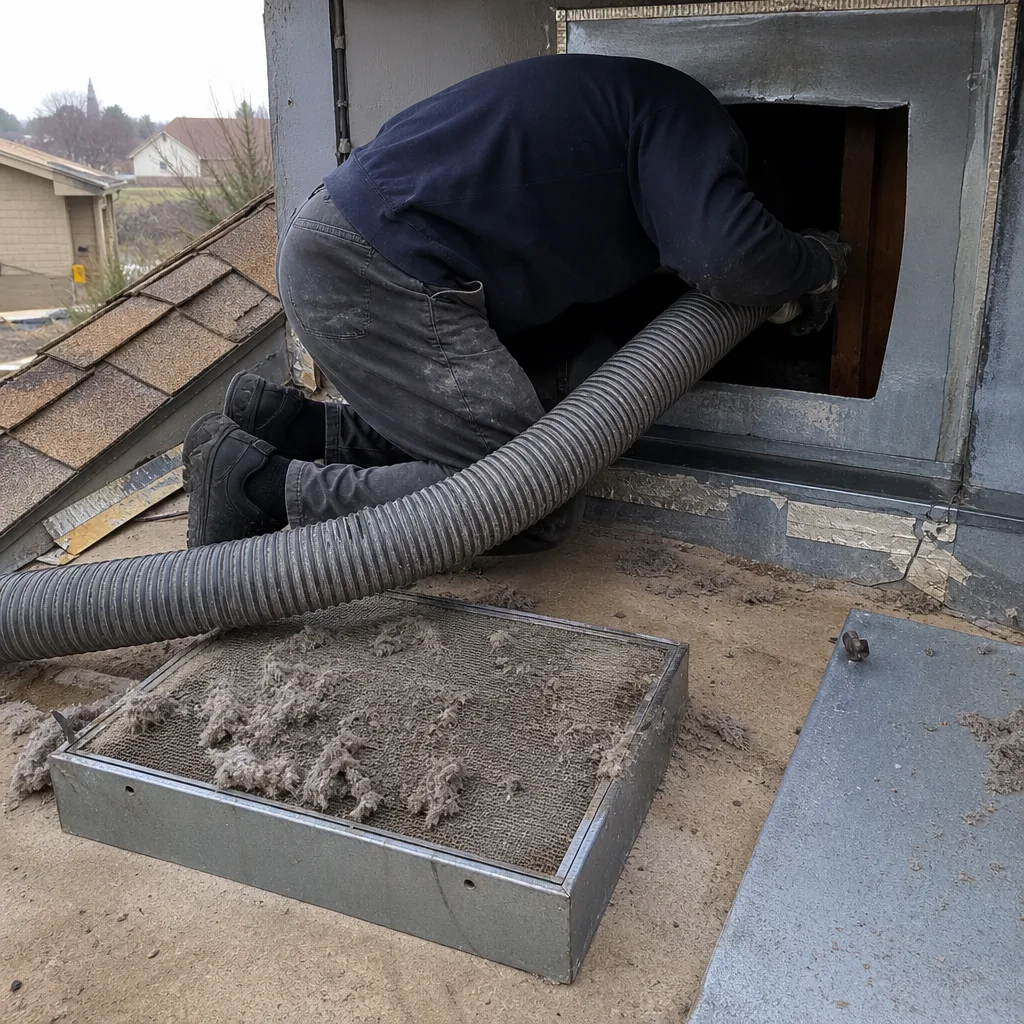
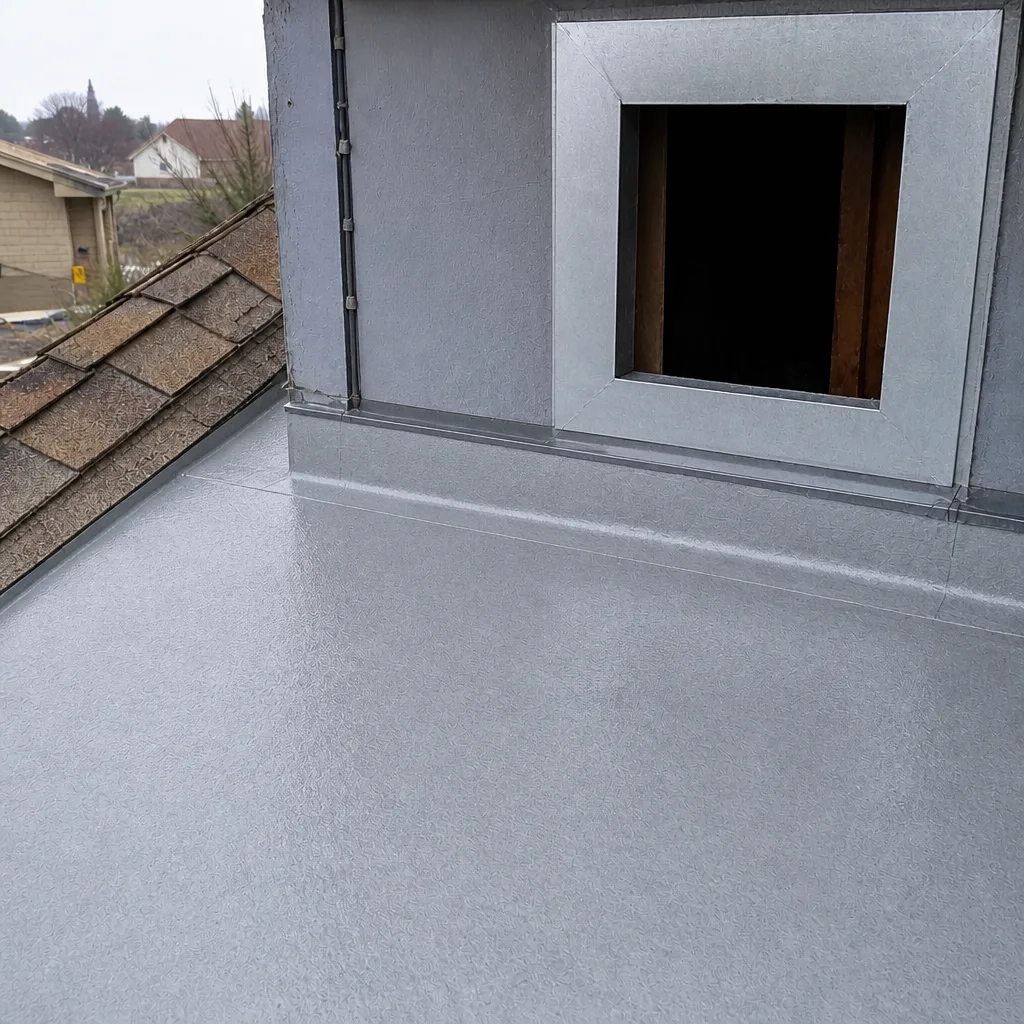
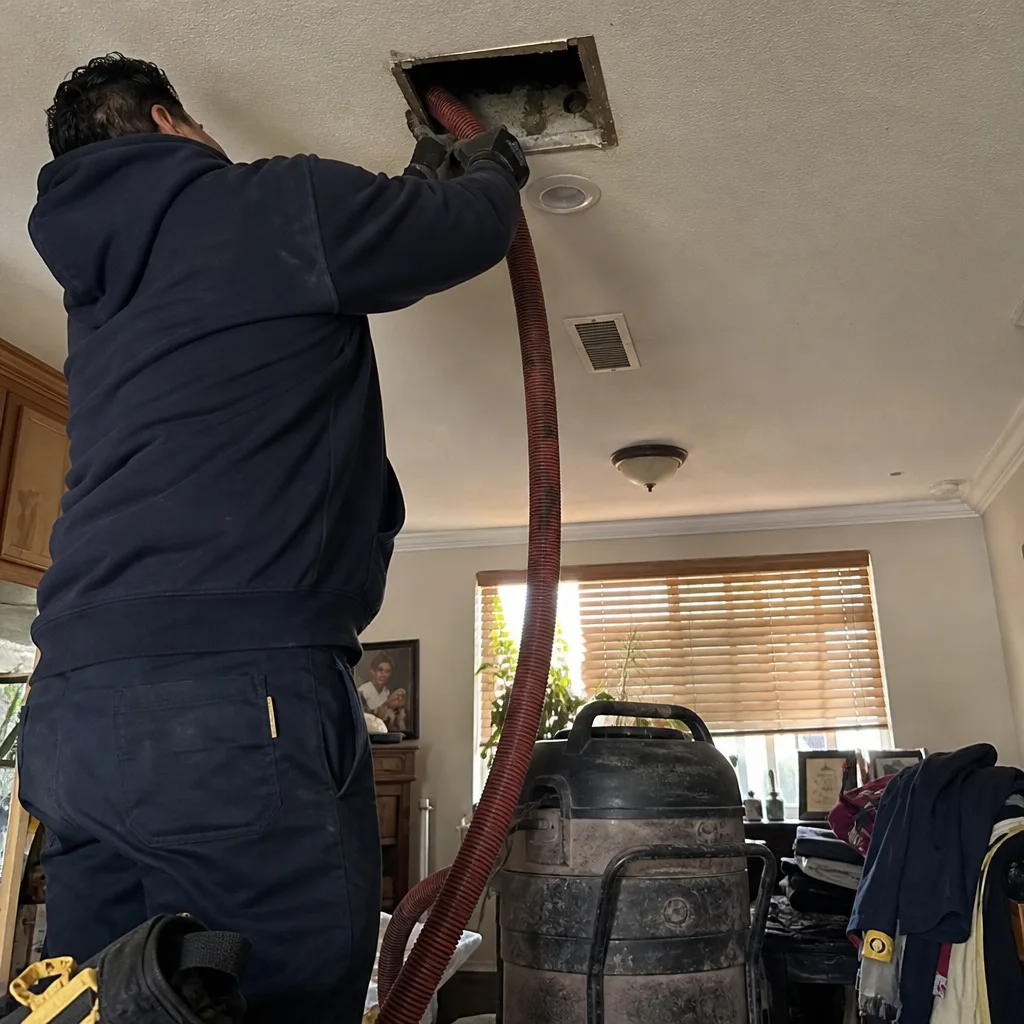
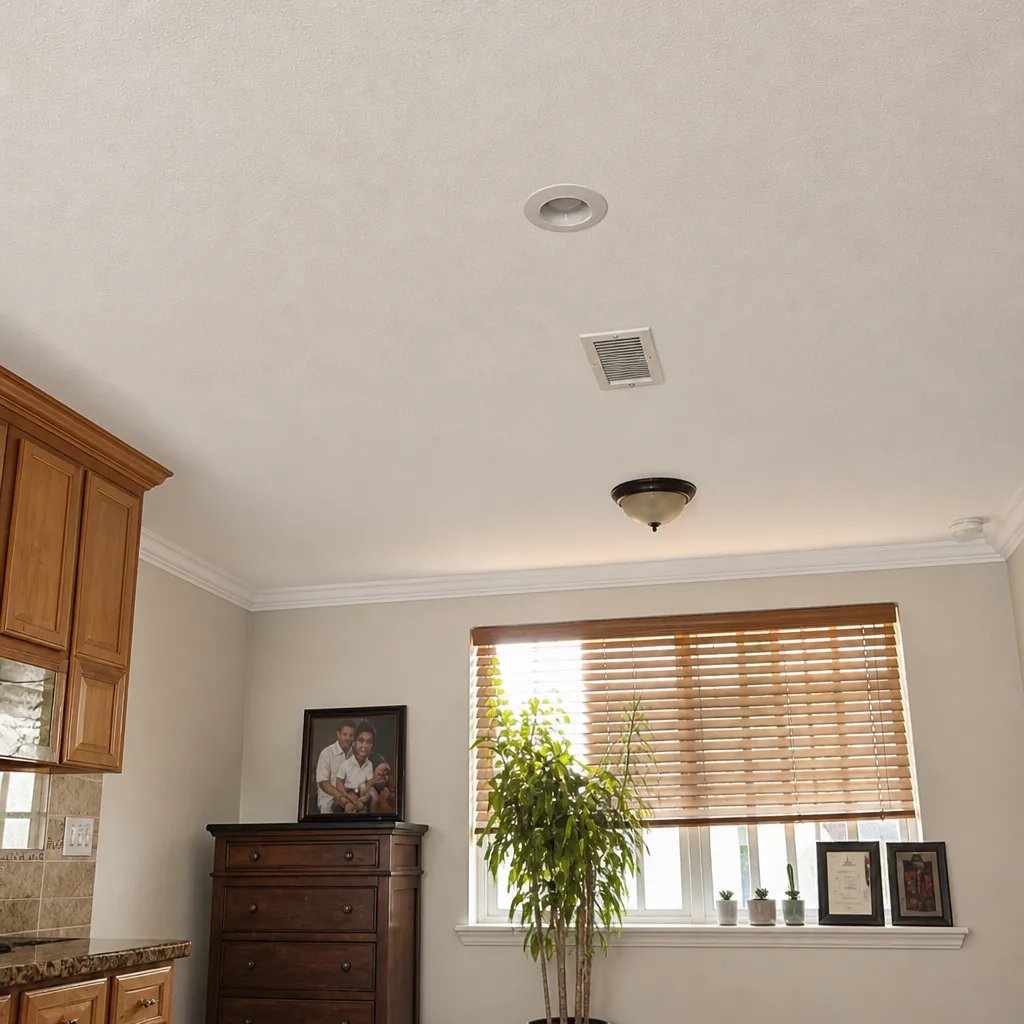
Whole-system duct and dryer vent check with before-and-after photos - you see exactly what came out of your vents
That "$99 whole-house special" is a bait ad - the real number appears once they are in your hallway, or the "clean" is a shop-vac at the register. We photograph the inside of your ducts before and after instead.
Choosing the Right Air Duct Cleaning Brand: A Buyer’s Guide for Santa Maria
Most homeowners shopping for duct cleaning ask the same question: how much? That’s the wrong first question, and it’s why so many people end up disappointed. Price tells you almost nothing about whether the crew showing up has the equipment to actually remove what’s in your ducts or just stir it around. The fastest, most reliable way to tell a real duct specialist from a generalist with a vacuum is to ask what brand of negative air machine they run. If the answer is vague, or they say “we have our own system,” you’ve learned what you needed to know. This guide explains the equipment that separates a thorough job from a surface wipe-down, the specific questions that reveal real expertise, and how to apply all of it here in Santa Maria. What you’ll learn: the tool brands worth asking about, the specs that matter, and the red flags that save you from a wasted invoice.
Styles & brands we work with
- Whole-home duct cleaning
- Dryer vent cleaning
- Camera inspection
- Sanitizing & deodorizing
Quick Answer
The right air duct cleaning brand in Santa Maria is the one that uses professional-grade equipment (rotary-brush contact cleaning with HEPA extraction, plus negative-air containment), can name and explain those tools, and offers repair alongside cleaning rather than just blowing out debris. Ask what negative air machine they use, what filtration stage it runs, and how they’d set up a split system in a two-story house. A contractor who answers those fluently is invested in the trade; one who can’t is working with improvised equipment and a coupon price.
Table of Contents
- Why Equipment Brand Names Tell You More Than Any Review
- What Rotobrush Systems Do That Improvised Brush Kits Cannot
- Nikro and Abatement Technologies: CFM, HEPA Stages, and Why They Matter
- How to Verify Equipment Legitimacy on a Job Site
- Why Equipment Investment Filters Out Transient Operators
- The Questions That Reveal Real Equipment Knowledge
- Cleaning Is Half the Job: Why Repair Belongs in the Same Visit
- Dryer Vents: A Separate Job With Its Own Equipment
- Common Mistakes to Avoid
- When to Call a Professional
- Frequently Asked Questions
- The Bottom Line
Why Equipment Brand Names Tell You More Than Any Review
Reviews tell you whether someone was polite and on time. They rarely tell you whether the crew ran a rotary brush through the supply trunk or dragged a shop-vac hose across the registers. Equipment brand names close that gap because they’re hard to fake. A contractor either owns a duct cleaning Santa Maria rig built around professional tools or they don’t, and the cost of those tools is public enough that the answer means something. You can look up any brand a contractor names and see what class of equipment it is.
Here in Santa Maria, we’ve watched a lot of homeowners get burned by the cheapest quote on the block. The pattern is consistent: a crew arrives with a portable vacuum and a hose, spends twenty minutes at the registers, hands over a receipt, and leaves. The ducts look unchanged from the inside. The dust you were trying to get rid of is still in the trunk line and still moving through the house every time the system cycles.
The reason brand names work as a filter is that they’re a capital signal. A crew using Rotobrush, Nikro, or Abatement Technologies has spent real money on equipment designed for this trade. That investment is difficult to fake, and it correlates with the kind of contractor who plans to be around long enough to pay it off.
- Reviews verify politeness, punctuality, and price honesty. Useful, but incomplete.
- Equipment brands verify that the work was technically capable of being done at all.
- Combined, they give you the full picture: a professional operator with professional tools.
When someone asks us what makes a duct cleaning company in Santa Maria worth hiring, this is the answer we give: it’s not the truck, the radio ad, or the star rating. It’s whether they can name their equipment, explain what each piece does, and describe how they’d handle your specific house.
What Rotobrush Systems Do That Improvised Brush Kits Cannot
A Rotobrush system is a rotary-brush cleaning tool with a built-in contact vacuum at the brush head. That last part is the difference that matters. As the brush spins against the duct wall and loosens caked dust, a vacuum running right at the brush pulls the loosened material out immediately. It doesn’t push the debris downstream to re-settle somewhere else in the system.
Improvised setups can’t do this. A brush on a flexible rod attached to a separate shop-vac has two problems. First, the vacuum isn’t at the work surface, so debris has time to become airborne or drop back onto the duct floor before it gets suctioned. Second, the push of the brush against the duct can actually drive dust further into the system rather than out of it. The homeowner gets an invoice that says “cleaned” and a system that is, in practice, redistributed rather than removed.
The Rotobrush approach works because of continuous contact. The brush head stays against the duct wall while the extraction runs, which means the majority of what’s loosened exits the system at the point of removal. This is why professional air duct cleaning jobs can be completed in roughly the same time as a surface wipe-down but produce a visibly different result.
- Brush rotates against the duct interior to dislodge dust, pet hair, and debris from the walls.
- Contact vacuum at the brush head captures loosened material before it can drift or settle.
- HEPA extraction at the truck or portable unit filters the airstream and holds the captured material.
- Containment runs throughout, keeping the work area and the living space separate from the extraction path.
In a Santa Maria home, where dust and pollen move through the system year-round because windows stay open more than in colder climates, the difference between extracting debris and redistributing it shows up quickly in how the return grills and registers look three weeks later. If the registers are as dusty as they were before the visit, the job didn’t extract; it moved things around. That’s one reason we take before-and-after photos on every job and show the homeowner their own ducts, not someone else’s.
Nikro and Abatement Technologies: CFM, HEPA Stages, and Why They Matter
Rotary brushes loosen the debris; the negative air machine is what holds it. A negative air machine running in reverse draws a slight vacuum on the work area so that dust moved by the brush flows toward the machine rather than into the room. Two things about that machine actually matter: its CFM rating and its filtration stages.
CFM (cubic feet per minute) is the volume of air the unit can move. A duct system in a typical Santa Maria home has a lot of air volume to draw from, and the machine needs enough CFM to keep up with the loosening action of the brush. Undersized machines can’t hold containment while cleaning the larger trunk lines, so debris escapes into the space. Nikro and Abatement Technologies machines are rated for this class of work because they were built for it, not adapted from another trade.
Filtration stages are the second critical spec. A negative air machine used on a duct job should run HEPA-grade final filtration so that the fine particulate it captures doesn’t just move through the machine and back into the air. Multi-stage filtration, typically a pre-filter capturing larger debris followed by HEPA capture of the fine material, is what keeps the airstream leaving the machine clean. This is the same standard applied in professional remediation work, and it’s why we bring Abatement Technologies containment-grade tools to every job.
- CFM tells you how much air the machine can pull – the higher the better for larger duct systems.
- HEPA final filtration keeps fine particulate from re-entering the space.
- Multi-stage setup extends filter life and maintains performance through a full-system clean.
- Containment-grade design means the machine is built for this work, not borrowed from another.
Why containment matters in a home you’re living in
If the negative air machine isn’t holding, the fine dust that leaves your ducts goes into your furniture, your bedding, and your lungs. Homeowners with allergies or young children notice this immediately. A machine rated for the job keeps the airstream moving through HEPA filtration before it ever leaves the work area. That’s not a marketing point; it’s the whole reason the machine exists as a separate piece of equipment rather than a built-in feature of a shop-vac.
How to Verify Equipment Legitimacy on a Job Site
You can verify equipment legitimacy in about two minutes once you know what to look for. The goal isn’t to become an equipment expert; it’s to recognize the difference between a professional rig and a modified consumer setup. Here’s what to look for before the crew starts.
- Ask for the machine brand. “What brand of negative air machine do you use?” A professional will answer with a specific name – Nikro or Abatement Technologies, for example. A vague answer is a signal.
- Look for a branded HEPA machine. Professional units have manufacturer labels, model numbers, and visibly multi-stage filter housings. A modified shop-vac has a shop-vac body and improvised duct tape.
- Check the brush rig. A rotary brush running with a vacuum line at the head looks distinctly different from a brush on a stick. The extraction line should run alongside the brush to a separate unit.
- Watch the setup at the register. A professional crew protects floors, sets up the machine first, and confirms containment before starting.
- Confirm before-and-after documentation. A contractor confident in their equipment will photograph the inside of your ducts before and after without hesitation.
What professional equipment looks like versus a modified setup
A professional duct cleaning setup at a Santa Maria residence typically includes a truck-mounted or portable HEPA extraction unit, a separate rotary-brush tool with its own vacuum line, and containment materials. The setup takes time. You’ll see hoses and protective coverings before any cleaning starts. If a crew arrives and starts working within five minutes of stepping through the door, either the setup was done before you looked or it wasn’t happening at all.
Our Santa Maria service approach builds the equipment inspection into the estimate. We’d rather you ask the questions before you book than wonder after.
Why Equipment Investment Filters Out Transient Operators
A professional duct cleaning rig is a substantial capital investment. That cost filters operators in a specific way: contractors who intend to be doing this work for a long career can justify the equipment expense. Contractors running a brief hustle can’t, and they don’t try. They rent or adapt what they have and price low enough to win on price alone.
The connection between equipment and legitimacy is direct. When a company has spent money on Rotobrush and Nikro equipment, they’ve made a bet that the work will pay back over time. That bet only pays back if customers are satisfied and refer neighbors. It’s a rough proxy, but a reliable one in a market where anyone with a vacuum and a van can print business cards.
We see this most clearly with Santa Maria homeowners comparing two quotes that are $200 apart. The lower quote is often from an operator who is renting equipment or has none. The higher one is closer to the actual cost of doing the job right, which requires the equipment the job demands.
- Capital equipment implies a long horizon. Operators planning to be around invest in tools.
- Undercapitalized operators win on price because they can’t compete on work.
- Insurance and licensing are easier to fake than equipment. Ask about all three, but weight the equipment question heavily.
- The bottom-of-market quote rarely reflects a bottom-of-market job. It reflects a bottom-of-market process.
What “we have our own system” usually means
When a contractor is asked about brand and says “we have our own system,” it almost always means the system is a shop-vac or a consumer-grade vacuum adapted for duct work. There’s a place for portable vacuums on some jobs – a small return line, a single register that needs attention. But a whole-home duct cleaning in Santa Maria warrants professional equipment, and a company that can’t name what it uses is unlikely to have it.
The Questions That Reveal Real Equipment Knowledge
You don’t need to know the answers to these questions yourself. You need to listen for fluency in the contractor’s response. Someone who does this work regularly will answer without hesitation, using specific terms and describing process. Someone who doesn’t will offer vagueness, phrases that vaguely sound technical, or a pivot toward price.
Here are the questions we recommend asking, and what a strong answer sounds like.
- “How would you set up for a two-story home with a split duct system?” A strong answer walks through where the negative air machine gets placed, how containment runs between the two halves of the system, and how the brush rig gets routed to reach both trunks. A weak answer changes the subject.
- “What brand of negative air machine do you use?” Ask for the brand, not a description. Nikro and Abatement Technologies are the names to listen for.
- “What filtration stage does your machine use?” HEPA, with a pre-filter stage. If they say “good filtration,” the answer isn’t specific enough.
- “Do you photograph the inside of the ducts before and after?” A professional crew does, and can describe how they route the camera.
- “How do you handle a breached duct you find during cleaning?” A duct specialist describes repair. A generalist describes cleaning and recommends someone else for repair.
- “What CFM is your negative air machine rated for?” Not every homeowner needs this level of detail, but the contractor should be able to talk about it.
Listening for fluency, not memorization
The strongest signal isn’t the specific brand name – it’s whether the contractor can move seamlessly from question to a process description. Some operators memorize brand names to sound credible. But when you ask how they’d actually set up a two-story split system, they can’t describe the process because they haven’t done it. Listen for phrases like “we place the negative air machine at the main trunk and run containment,” or “we treat each system half separately with a brush pass and a separate extraction pass.” Fluency is hard to fake.
Cleaning Is Half the Job: Why Repair Belongs in the Same Visit
A duct system that hasn’t been inspected in years often has breaches – disconnected runs, loose joints, crushed flex sections, or gaps where the duct tape has failed. Cleaning a breached system wastes the cleaning. The dust you extract out of the ducts is going to be drawn right back through the breach by the system’s own pressure the moment the blower runs. Cleaning without repair is a job that looks finished and isn’t.
This is why we treat cleaning and repair as a single scope. At the outset we inspect the accessible sections. Where we find a breach, we identify it, discuss it with the homeowner, and repair it in the same visit if it’s within the scope we quoted. If it isn’t, we quote the repair and complete it before the cleaning makes sense. Either way, the homeowner isn’t paying for a cleaning that gets undone by a gap the crew knew about and didn’t fix.
The contrast is with contractors who clean and leave. They finish the job, hand you a receipt, and don’t mention the ten-foot section of disconnected flex that’s been pulling attic air into the return since 2018. Within a few weeks, the system is re-contaminated and the homeowner doesn’t know why. We clean it, then we inspect it, and we fix what others leave behind.
- Crushed or kinked runs restrict airflow and contribute to higher energy bills.
- Disconnected joints pull unconditioned attic or crawlspace air into the supply.
- Failed duct tape on older Santa Maria homes is common and easy to miss.
- Loose register boots leak air into walls and floors without anyone noticing.
Dryer Vents: A Separate Job With Its Own Equipment
Dryer vent cleaning isn’t the same job as duct cleaning, and it shouldn’t be treated as a throw-in. Lint buildup in a dryer vent is the leading cause of dryer fires. A vent run packed with lint restricts airflow, overheats the dryer, and creates a fire hazard inside the wall. The tools that clean it are different from the tools that clean HVAC ducts, and the inspection standard is different too.
Many duct cleaning companies treat dryer vent cleaning as an add-on they’ll do if asked. We treat it as a dedicated dryer vent cleaning service with the same equipment discipline as a duct job. The vent gets cleaned with a rotating brush sized for the run, the exterior termination is checked for proper airflow, and any crushed or kinked sections are identified. In Santa Maria homes where the dryer is in an interior closet or utility room, the vent run can be long and largely hidden from view, which makes equipment and inspection more important, not less.
Why the difference matters
A contractor who treats dryer vent cleaning as an afterthought typically uses the same brush rig and hose they use on duct work, which isn’t sized for a 4-inch dryer vent. The result is a partial clean, an underreported risk, and a homeowner who thinks the job is done. If you’re hiring for dryer vent work, ask specifically what brush and vacuum they use, and whether they inspect the termination point outside.
Common Mistakes to Avoid
- Choosing on price alone. A quote significantly below the local market usually signals a smaller or improvised equipment setup, not a better value. Two sentences into the call, ask what equipment brand they run, and let that inform the decision.
- Not asking about repair. A duct cleaning company that only cleans leaves breaches in place. Ask upfront whether repair is in scope and who does it.
- Accepting “we have our own system” as an answer. This is the single biggest red flag in the trade. It means you can’t verify what equipment is actually going to be used in your home.
- Skipping the before-and-after photos. A professional job can prove itself. If the crew won’t photograph the inside of your ducts, assume the work isn’t what it claims to be.
- Treating dryer vents as an afterthought. If your dryer vent is more than a year overdue, book it separately from a duct cleaning. A combined job done poorly is worse than two jobs done properly.
- Ignoring the second system in a two-story house. Homes with a zoned or split system have two separate duct networks. A crew that sets up for one and calls it done has left half the house contaminated.
- Hiring a generalist handyman. A handyman with a shop-vac and a flexible brush is not equipped for duct work. In Santa Maria, this shows up most often in quotes that sound great but describe no actual process.
When to Call a Professional
Most Santa Maria homeowners should book a duct cleaning when they notice a specific change: dust reappears on registers within days of cleaning them, allergies or asthma symptoms worsen indoors while the AC is running, the system’s airflow has dropped noticeably, or there’s a musty smell in the house that doesn’t match anything outside. New homeowners should book one before move-in, since you can’t know what the previous owners did. Property managers should book on a schedule tied to tenant turnover rather than waiting for complaints. If your dryer is taking longer to dry clothes or feels unusually hot at the end of a cycle, schedule dryer vent cleaning before the next load.
Duct Cleaning Santa Maria offers free estimates in Santa Maria, and we’ll walk you through the equipment, the setup, and the scope before you book. Call (833) 630-1949. We answer 24/7. Fast dispatch from 7am to 7pm, Sunday through Friday.
Frequently Asked Questions
A whole-system air duct cleaning in Santa Maria typically runs in the mid-hundreds for an average single-family home, with the final price set per system by the written estimate rather than by the vent. Whole-system pricing is what makes a real number possible; per-vent pricing invites a low entry point that grows once the technician is at the door. Call (833) 630-1949 for an exact quote – estimates are free.
Cheap quotes usually reflect cheap equipment. A crew that arrives with a shop-vac and a brush on a stick can’t extract what a rotary-brush system with contact vacuum and HEPA extraction can remove, and the labor cost reflects that. The lower price is a different job, not a better deal. Call (833) 630-1949 and we’ll walk you through our equipment so you can compare on equal terms.
Ask for before-and-after photos of your own ducts, not a stock photo from a brochure. A professional crew can show you the inside of the trunk line and the registers before and after, and will explain what came out. If they can’t or won’t, that answers the question too. Call (833) 630-1949 to book a job that comes with photographic proof.
For most Santa Maria homes, every three to five years is a reasonable interval, and annually if someone in the house has significant allergies, asthma, or if pets shed heavily. Homes with recent renovation, water intrusion, or a pest problem should be cleaned sooner. Call (833) 630-1949 for a free estimate and we’ll give you an honest read on whether you’re due.
Rotobrush for rotary-brush contact cleaning and Abatement Technologies or Nikro for negative air machines with HEPA filtration. If a contractor can’t name their equipment, that’s the whole answer. Professional-grade equipment, not consumer shortcuts, is the only way the job gets done right. Call (833) 630-1949 to see our tool setup.
It can be scheduled at the same time, but it’s a different job with different tools and a different inspection standard. Dryer vent cleaning every one to two years – or any time drying times stretch – reduces the fire risk from lint buildup. Call (833) 630-1949 to book both services together or separately.
The Bottom Line
The right air duct cleaning brand in Santa Maria is the one that can name and explain the equipment it runs. Rotobrush for rotary-brush cleaning with contact extraction, Abatement Technologies or Nikro for HEPA negative-air containment, and a repair scope that treats cleaning as half the job. Ask the questions in this guide, listen for fluency, and don’t let a low quote override what the answers tell you. When the crew can describe how they’d set up a two-story split system without hesitation, you’ve found a professional. Our technicians have up to 8 years of experience with this equipment, and we’re happy to answer any of these questions before you book.
Call (833) 630-1949 for a free estimate. We answer 24/7. Fast dispatch from 7am to 7pm, Sunday through Friday.
Written by the team at Duct Cleaning Santa Maria.
See the difference
 Before
 After
 Before
 After
 Before
 After