
Last updated November 15, 2026
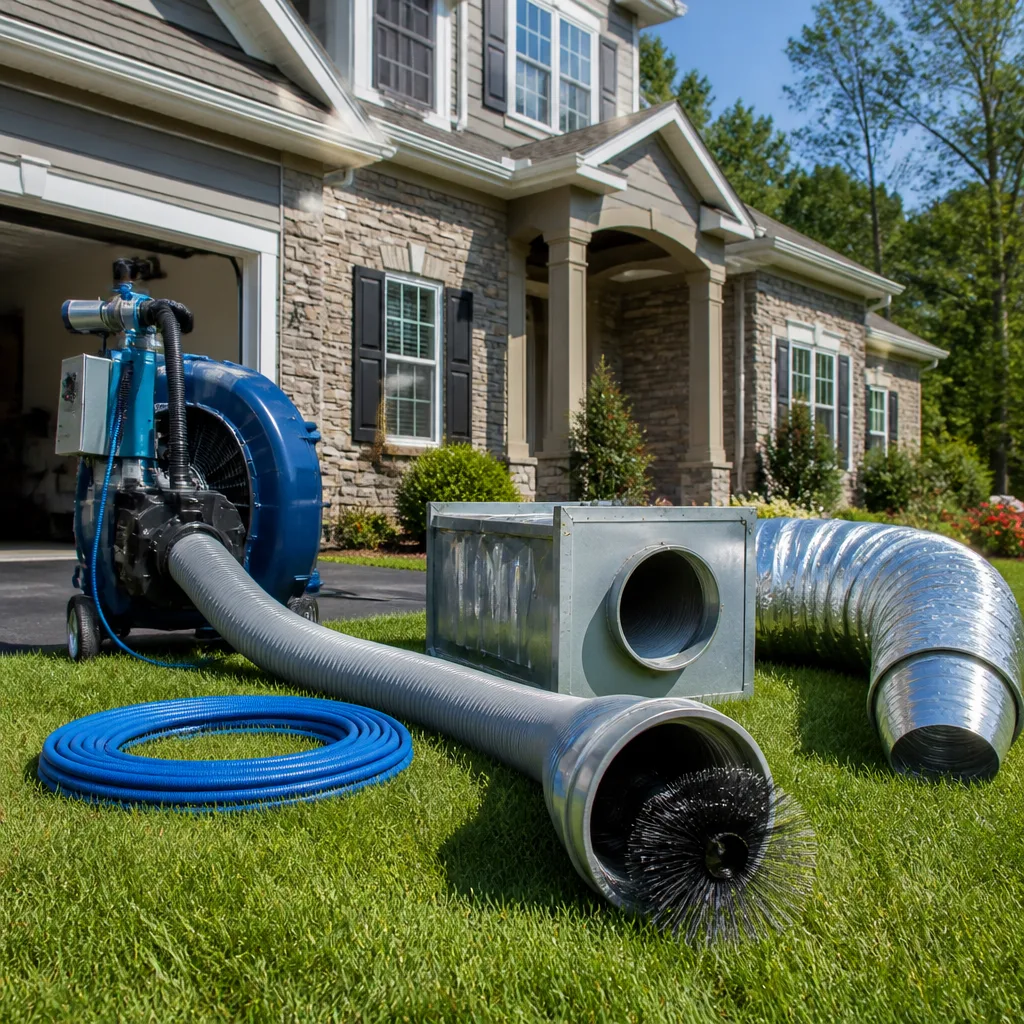 Whole-home duct cleaning
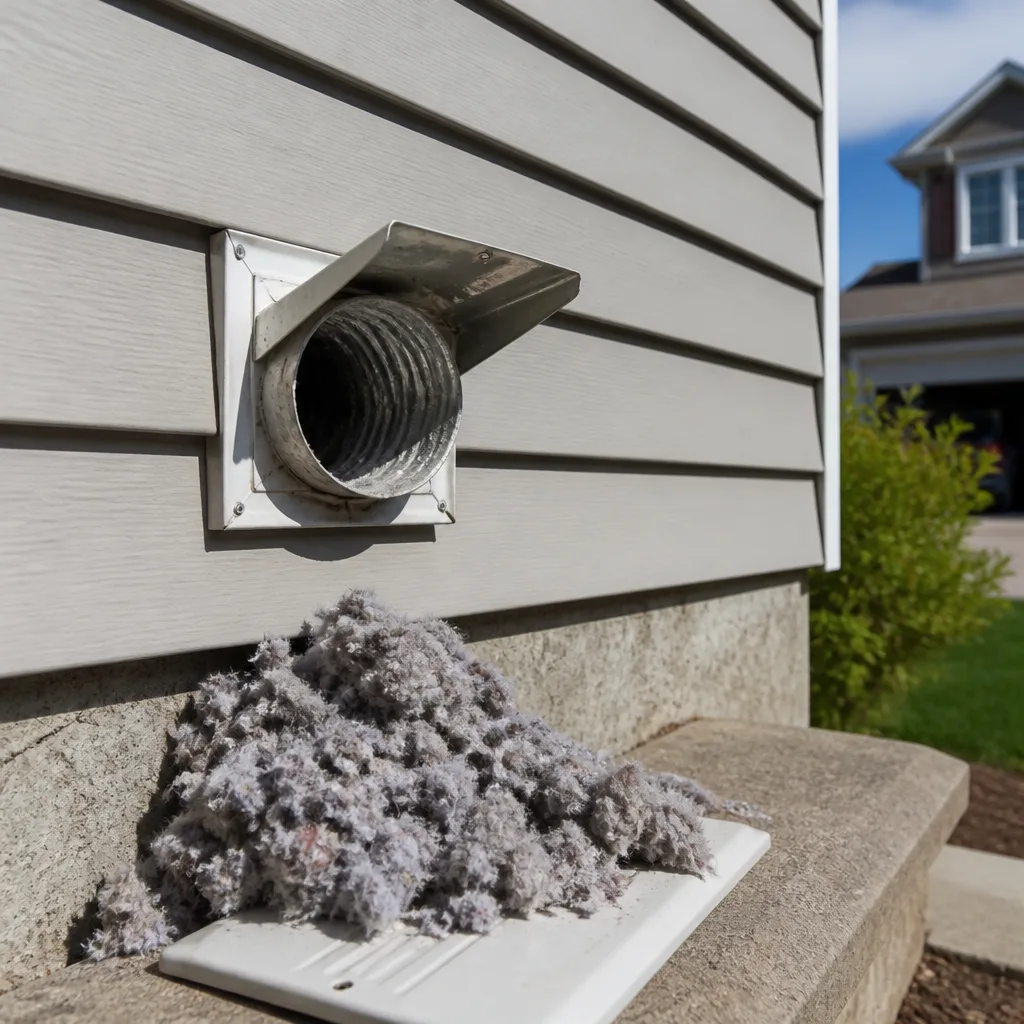 Dryer vent cleaning
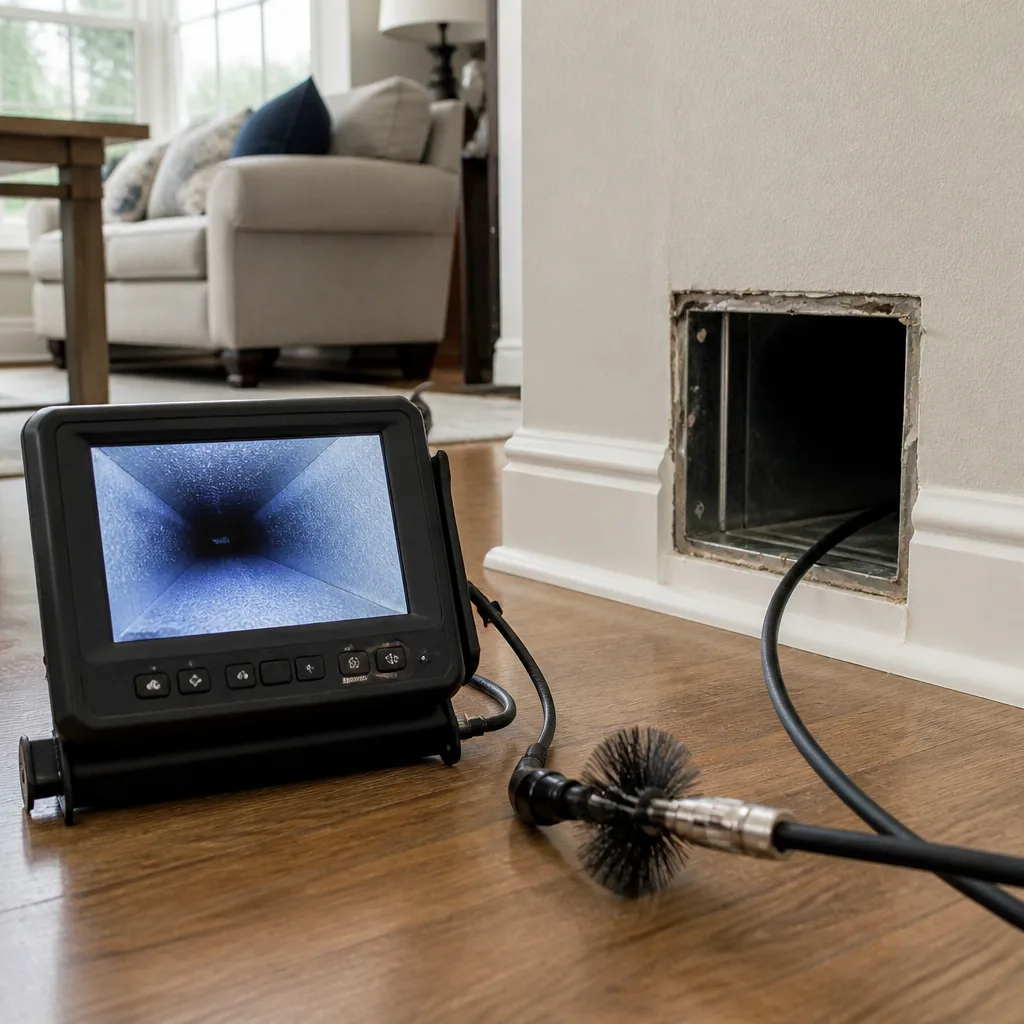 Camera inspection
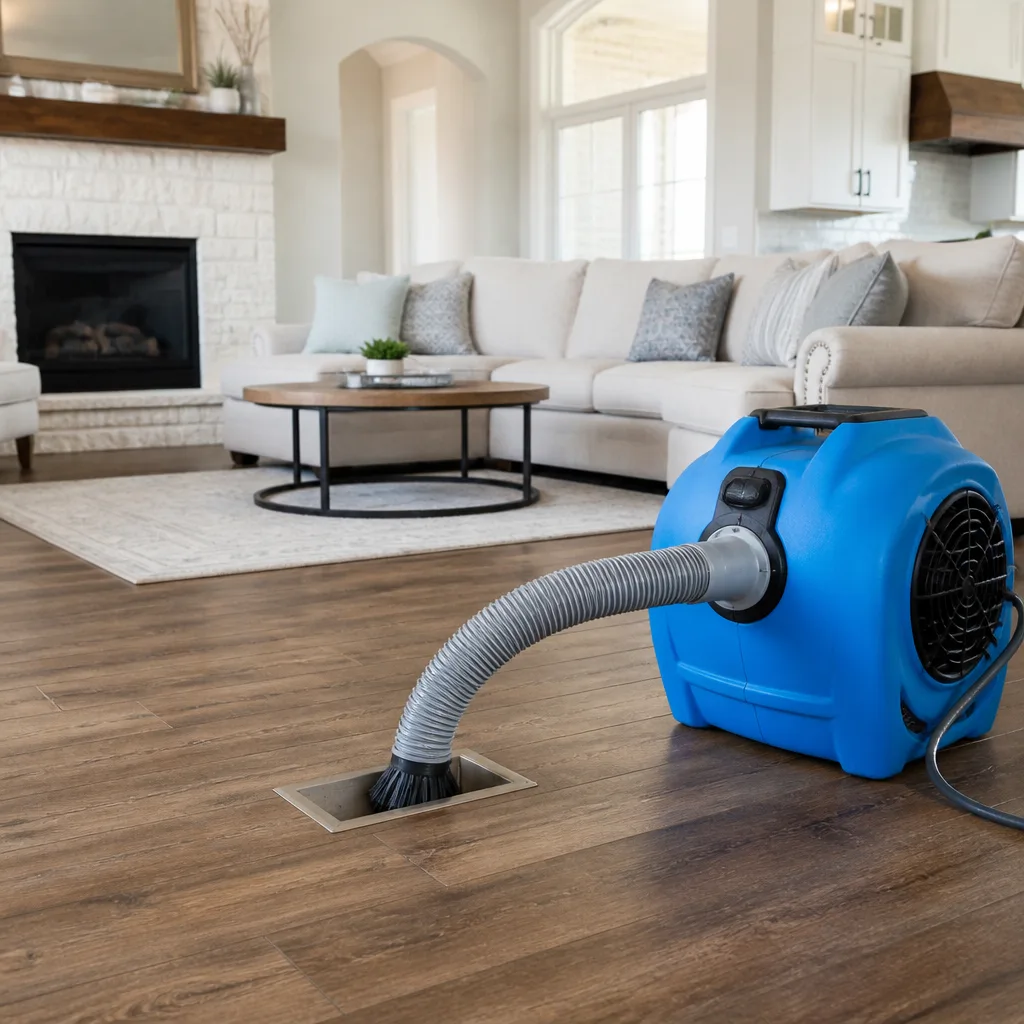 Sanitizing & deodorizing
Whole-system duct and dryer vent check with before-and-after photos - you see exactly what came out of your vents
That "$99 whole-house special" is a bait ad - the real number appears once they are in your hallway, or the "clean" is a shop-vac at the register. We photograph the inside of your ducts before and after instead.
Air Duct Cleaning Troubleshooting in Santa Maria: Common Problems and How to Fix Them
If your airflow improved for two weeks after a duct cleaning and then got worse again, the cleaning didn’t fail. Something upstream did. That’s the pattern we see most often, and it’s the one most homeowners misread as “the cleaning wore off.” It didn’t. Dust settles back into a system within days if the source of the dust is still feeding it, and airflow doesn’t drop off on its own after a proper job unless a duct has come apart, a plenum has opened up, or a register is choked with material no vacuum ever touched. This guide walks through the diagnostic steps a specialist uses to tell a cleaning problem from a repair problem, with the Santa Maria housing and climate details that change how each one shows up.
Quick Answer
Most duct problems homeowners blame on their HVAC unit are duct-system failures: collapsed or crimped flex duct, breached plenums, or debris-choked registers. A flashlight-and-mirror check at the register, a static pressure reading, and a look at the coil and liner will tell you whether you need cleaning, repair, or sealing. Cleaning alone won’t fix a physical breach, and sealing alone won’t fix contamination. You need to know which one you have before anyone quotes you a price.
Styles & brands we work with
- Whole-home duct cleaning
- Dryer vent cleaning
- Camera inspection
- Sanitizing & deodorizing
Table of Contents
- How do you tell a cleaning problem from a repair problem?
- What does a flashlight-and-mirror check at the register reveal?
- What does a musty smell after cleaning actually mean?
- Why are some rooms still cold (or hot) after cleaning?
- What does a static pressure test tell you that cleaning can’t?
- How does Santa Maria humidity affect older flex duct?
- When is dryer vent cleaning part of the conversation?
- What does duct troubleshooting and repair cost in Santa Maria?
How do you tell a cleaning problem from a repair problem?
You tell them apart by where the symptom comes from. A cleaning problem is contamination: dust, lint, pet hair, pollen, construction debris sitting inside the duct walls and at the coil. A repair problem is physical: a duct that’s disconnected, crushed, torn, or leaking at a joint. Cleaning fixes the first. It doesn’t touch the second, and no amount of vacuuming will close a gap in a duct that’s been sitting open behind drywall for years.
The reason this matters in Santa Maria is the housing stock. A large share of homes here were built during the mid-century and late-20th-century boom, and a good number still run the original flex duct installed in the attic. Flex duct doesn’t fail loudly. It sags, kinks at a sharp turn, loses its inner liner, or separates at a collar where the tape dried out. None of that shows up as a code violation. It shows up as a room that never quite gets comfortable.
Here’s the simple sorting test:
- Did airflow change? If it was fine before cleaning and dropped after, look for a physical cause first.
- Did airflow improve and then fade? The cleaning worked. Something upstream is still feeding the system, or a duct has opened up.
- Is the problem in one room or everywhere? One room points at a branch duct, a register, or a damper. Everywhere points at the plenum, the air handler, or the main trunk.
- Is there a smell? A musty smell after cleaning usually means moisture somewhere in the system, not leftover dust.
- Is the coil clean? A dirty evaporator coil cuts airflow no matter how clean the ducts are.
We run through this same sequence on every air duct cleaning job: clean first, then inspect, then decide what needs fixing. The order matters. Blowing out a system without checking the ducts afterward is how people end up calling back a month later.
What does a flashlight-and-mirror check at the register reveal?
It tells you whether you’re looking at surface dust or a system that’s structurally failing. Pop the register grille off, shine a light down the boot, and hold a small mirror at an angle so you can see the duct wall around the bend. What comes back is diagnostic.
What surface dust looks like: a light, even film across the metal or flex liner, maybe a little heavier at the edges. Wipe it with a white rag and it lifts off cleanly. That’s a system due for cleaning on a normal schedule. Nothing has failed.
What deep contamination looks like: a thick, matted layer that has bonded to the surface, sometimes textured or patchy, often darker near the coil. A rag comes away with a smear, not a lift. That’s a system that has been running for years without a real cleaning, and it may have been running with a compromised filter for part of that time.
What duct damage looks like: a torn inner liner peeling off the wire helix, a crushed section where the duct passes over a joist, an obvious gap where the duct meets the boot, or visible daylight if the run goes near the roof deck. If you see any of those, cleaning won’t solve the problem. That’s repair work.
One caveat: only check registers you can reach safely without a ladder on stairs, and never open anything that requires moving a gas appliance or electrical equipment. If the register is in a hard-to-reach place, ask a technician to check it. We use rotary-brush tools like the Rotobrush system precisely because they reach the length of the run and agitate contamination off the wall, so what comes back in a camera inspection reflects the whole duct, not just the first foot.
What does a musty smell after cleaning actually mean?
It means moisture is present somewhere in the system, and nine times out of ten it isn’t leftover debris. Dust that stays dry doesn’t smell. When a system smells musty after a thorough cleaning, the source is usually one of three things:
- Mold or biological growth on the evaporator coil. The coil sits wet for much of the cooling season and is the number-one place for growth in any system. A duct cleaning won’t remove what’s on the coil unless the coil is cleaned too.
- Debris on the duct liner that never dried out. Insulated flex duct has a fibrous inner surface. Once material has bonded to it and stayed damp, the smell can stay long after the loose debris is gone.
- A wet plenum or condensation problem upstream. If the air handler is sweating or the drain pan is slow, moisture enters the airstream and every register in the house smells it.
The correct next step is a moisture inspection: look at the coil, the drain pan, and the duct liner where the smell is strongest. If growth is confirmed, the fix is cleaning plus a moisture fix. We use Nikro HEPA extraction and Abatement Technologies containment tools for this because pulling growth off the coil and moving contaminated air out of the house without spreading it is not something a shop vac can do. If the source turns out to be indoor humidity generally, an Aprilaire or Honeywell humidity control product is often the right long-term answer. Cleaning a musty system and stopping there is a short-term patch.
Why are some rooms still cold (or hot) after cleaning?
Uneven temperatures after cleaning almost always point at disconnected, crimped, or undersized branch ducts, not at a bad cleaning job. If the duct cleaning was done properly, every run is open and the airflow balance in the house is unchanged from before. If a room was already starved of air, cleaning revealed it, it didn’t cause it.
Here’s how to think about it. A duct system is a supply layout where each run is sized for a specific airflow. Change that with one of these and the room will run hot or cold no matter how clean the ducts are:
- A disconnected duct. Flex duct separates at the collar or at a joint behind the drywall. The air goes into the attic, not into the room.
- A crimped or crushed run. A sharp bend, a sag over a wire, or a supply run kinked off during an unrelated remodel. Airflow drops dramatically at a tight kink.
- A partly closed damper. Balancing dampers in the trunk are sometimes left nearly shut from an earlier adjustment and never reopened.
- A boxed-in or blocked register. Furniture, a rug, or a piece of trim covering the return will starve the room.
- A mis-sized branch. Long secondary runs in older homes are often too small to deliver the airflow the room needs, and cleaning can’t change that. Sealing and possibly rebalancing can.
We see this most in Santa Maria homes with additions: a room was tacked on years after the original build and got a long flex run off the existing trunk. That run is the one that never feels right, and the fix is usually a repair or reroute rather than another cleaning.
What does a static pressure test tell you that cleaning can’t?
A static pressure test measures how hard the air handler is working to move air through your duct system. It’s the cleanest way to distinguish a dirty duct system reading from a leaking duct system reading, and the difference determines whether you need cleaning or sealing.
Here’s how a specialist reads it:
- High static pressure means the blower is pushing against restriction. That’s either a dirty filter, a dirty coil, dirty or collapsed ducts, or a duct system that’s undersized. Cleaning may fix it. If cleaning doesn’t, the restriction is structural.
- Normal static pressure with poor room delivery means air is being moved but not reaching the rooms. That points at a leak, a disconnection, or a block. Vacuuming won’t help. You need the duct sealed and the break repaired.
- Low static pressure with poor room delivery can mean the blower is fine but air is escaping before it gets to the rooms. A leaking main trunk can send a large share of the airflow into the attic.
Running a pressure test before and after a cleaning tells you what the cleaning actually accomplished. If the reading barely moves, the ducts aren’t the bottleneck. That’s a repair or sealing problem. We run static pressure on commercial and larger residential jobs before we quote repair, because it’s the number that decides the recommendation. A modern diagnostic tool like the Rotobrush inspection camera plus a manometer is what makes this practical.
How does Santa Maria humidity affect older flex duct?
Santa Maria has a mild, coastal-influenced climate with a marine layer that rolls in most summer evenings. Winters are mild, and the biggest seasonal stress on a duct system isn’t heat or cold. It’s moisture in the air, and the way it interacts with older duct materials.
The details that matter:
- Insulated flex duct has a fibrous inner liner. When the outer jacket is intact, the liner stays dry. When the jacket has a pinhole or a tear, the liner absorbs ambient humidity over time. Once it’s damp, it holds dust, and once it holds dust and moisture, the smell starts.
- The marine layer creates condensation on warm evenings. In a vented attic, the difference between a warm daytime roof deck and a cool evening airmass pushes condensation onto any surface that’s below the dew point. Duct jackets and plenum surfaces are prime candidates in older homes.
- Older Santa Maria homes with original flex duct are the highest-risk group. Duct tape and mastic dry out over 20-plus years. A joint that was tight in 1990 is often loose today, and a loose joint lets humidity in.
What to look for: a musty smell in one or two rooms, condensation or water stains on the attic side of the duct jacket, a liner that’s pulled away from the wire helix, or a register that stays cold to the touch after the system has run for a while. Any of those means the duct may need replacement, not just cleaning. We look for exactly that on every job and note what we find before we leave. If a branch is too far gone, we move to duct cleaning Santa Maria scope that includes repair rather than pretending a second cleaning will help.
When is dryer vent cleaning part of the conversation?
Lint buildup in the dryer vent is a leading cause of home dryer fires, and it’s the most common place a homeowner’s duct inspection ends up turning into a safety conversation. When we’re troubleshooting an air duct system in Santa Maria, we look at the dryer vent too, because the two share the same mechanical space in most homes and the same problems: crushed flex, disconnected joints, and material that shouldn’t be accumulating.
Signs the dryer vent needs attention:
- Clothes take noticeably longer to dry. That’s airflow restriction, not a dryer problem.
- The dryer feels hot to the touch or the top gets warm. Heat can’t escape.
- The exterior vent flap doesn’t open fully, or nothing comes out. Airflow is blocked somewhere along the run.
- A burning smell or visible lint around the dryer. Stop using it and get the vent checked. This is a fire risk, not a performance issue.
- The run is crushed behind the dryer or routed with sharp bends. A flexible transition hose that’s pinched behind the unit is a common failure in both older and newer homes.
Dryer vent cleaning isn’t a sideline for us. We treat it as a dedicated service with its own tools, including the rotary brush system and HEPA extraction needed to pull lint out of a long run without leaving the accumulation behind. If your dryer vent cleaning hasn’t been done in years and the dryer is running warm, that’s the call to make first. We can do both services on the same visit.
What does duct troubleshooting and repair cost in Santa Maria?
Air duct cleaning in Santa Maria typically runs from $350 to $700 for a standard single-family home, and troubleshooting plus a repair or sealing job usually adds $150 to $600 depending on what’s found. The exact price depends on system size, how many registers, whether the system needs repair, and how much of the job is access-restricted. We set one flat price per system, in writing, before any work starts.
| What you’re paying for | Typical estimated range |
|---|---|
| Standard single-family duct cleaning | $350 – $700 |
| Larger home or multi-story system | $650 – $1,100 |
| Duct repair (breach, disconnect, liner) | $200 – $500 per affected branch |
| Dryer vent cleaning (add-on to duct job) | $120 – $250 |
| Diagnostic inspection only (static pressure + camera) | Free with a booked estimate |
These are typical estimates, not quotes. The written estimate we give you sets the final price, and it doesn’t change because the technician found a crawlspace instead of an attic or a return you didn’t mention. That’s the whole point: one price per system, agreed up front, no per-vent math that turns into a surprise on the invoice.
If you’re getting multiple quotes and one is dramatically lower than the others, ask what’s included in writing before you book it. A low headline price often means limited registers, no inspection after the clean, and a repair charge that only appears once the technician is in your attic. We give every customer before-and-after photos of their own ducts, so you can see exactly what came out and what didn’t.
Common Mistakes to Avoid
- Assuming a cleaning will fix uneven temperatures. Cleaning restores airflow where the ducts are open. If a branch is crushed or disconnected, cleaning can’t fix it, and the room will stay cold. Ask for a repair diagnosis if one room is off.
- Booking the lowest per-vent price. A per-vent quote invites a bait-and-switch. Look for one flat price per system in writing, not a number that changes on the invoice.
- Skipping the after-clean inspection. A cleaning without a camera or pressure check can’t tell you whether the system is now clean or just less dirty. Ask for the inspection and the before-and-after photos before the technician leaves.
- Ignoring a musty smell after cleaning. Leftover dust doesn’t smell. Moisture somewhere in the system does, and the fix is a moisture inspection, not another clean.
- Watching the HVAC unit instead of the ducts. If airflow dropped and the unit is running fine, the ducts are the problem. A static pressure test tells you which kind.
- Letting dryer lint build up for years. It’s a fire risk in Santa Maria homes as much as anywhere, and it’s cheap to address if it’s caught early.
- Using a shop vac in the ductwork. A shop vac redistributes dust and doesn’t reach the run. Contractor-grade equipment like a Rotobrush rotary brush and HEPA extraction is what pulls debris out of a duct system instead of moving it around.
See the difference
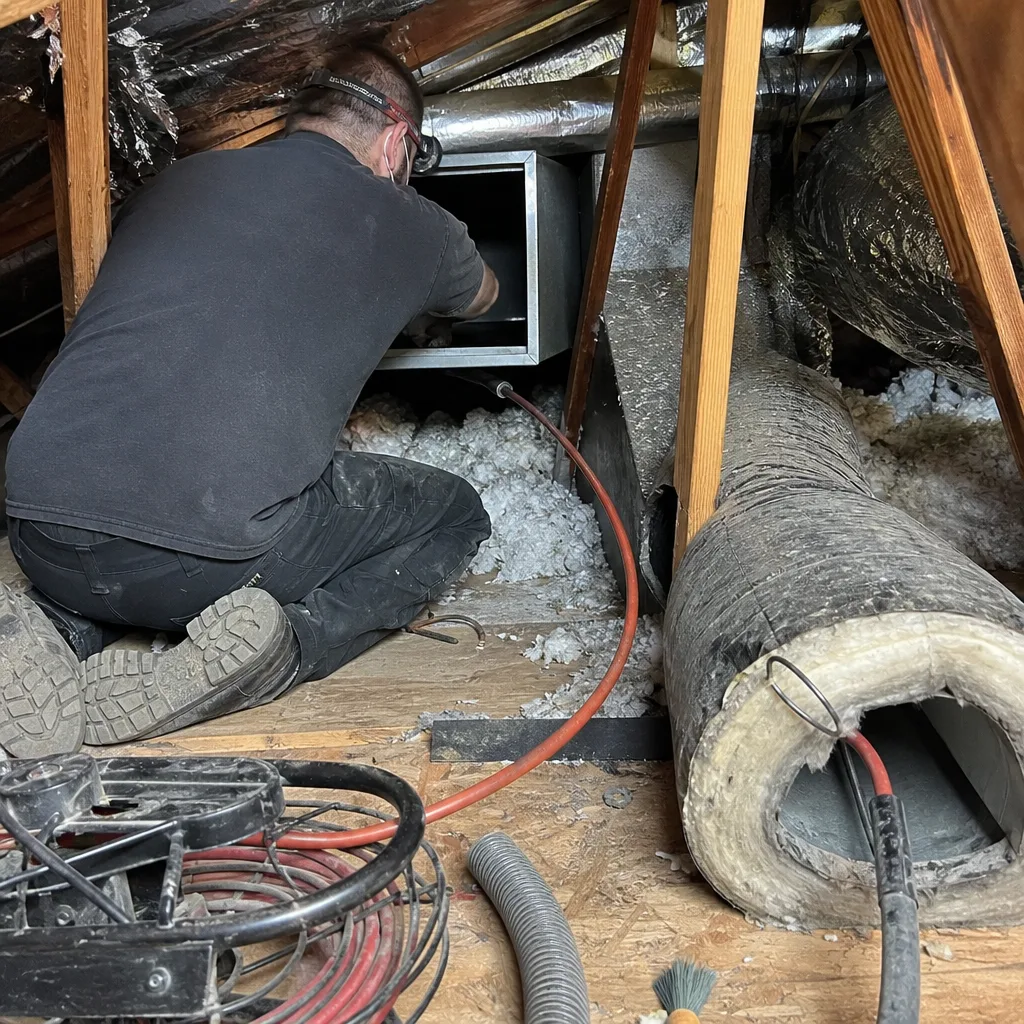 Before
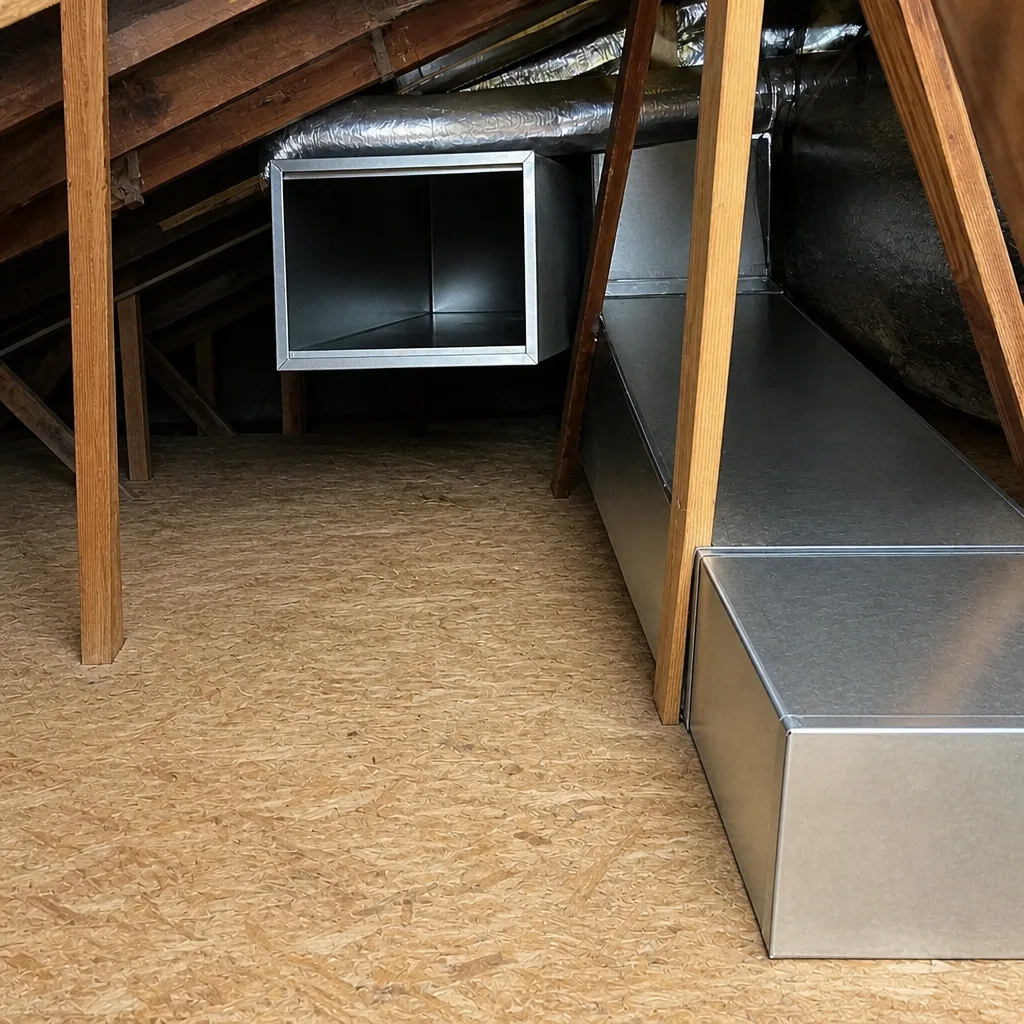 After
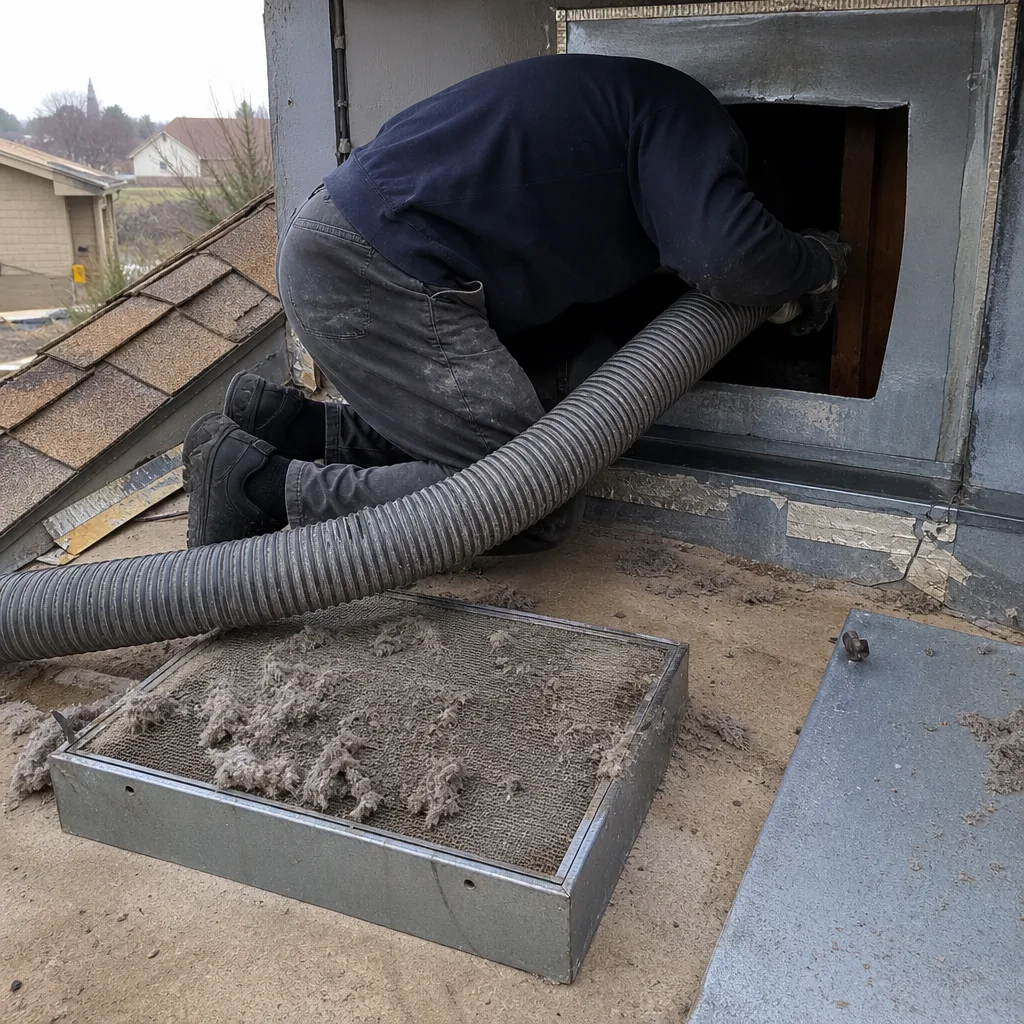 Before
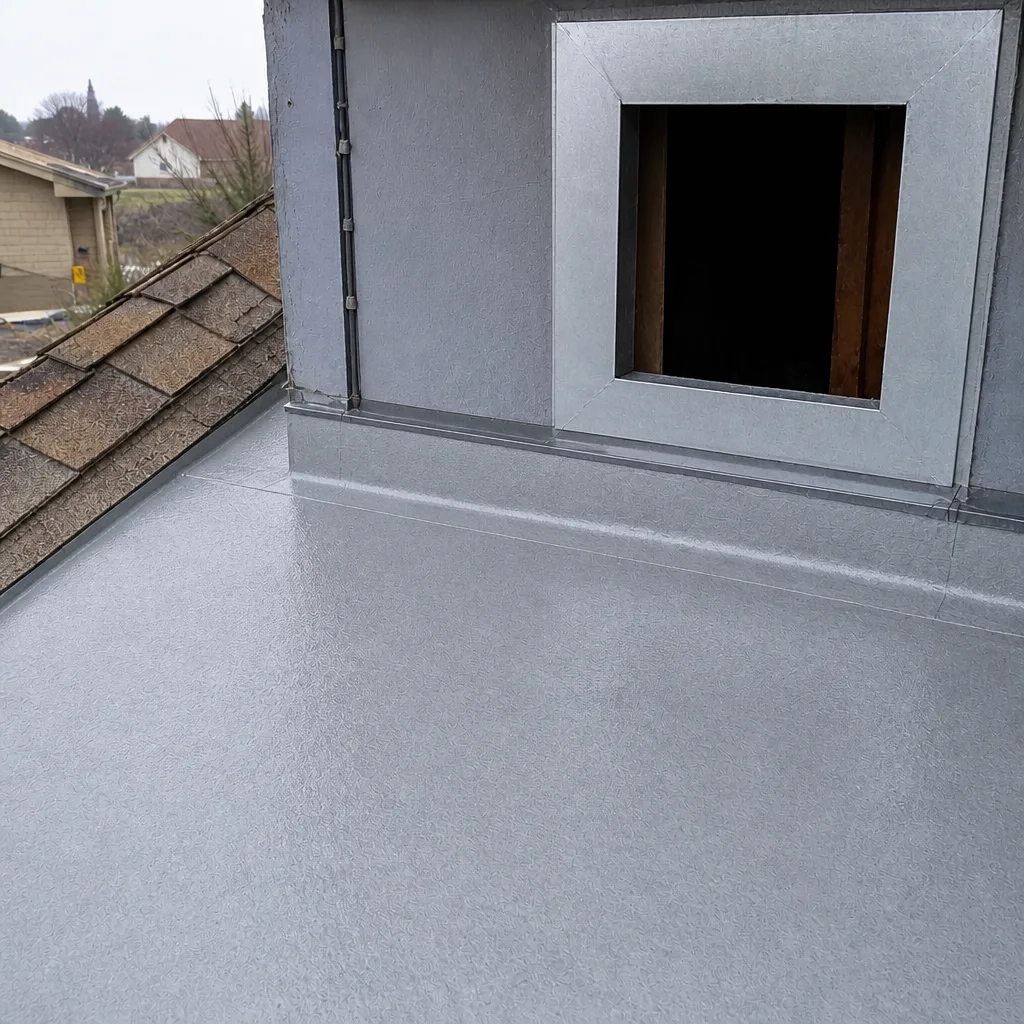 After
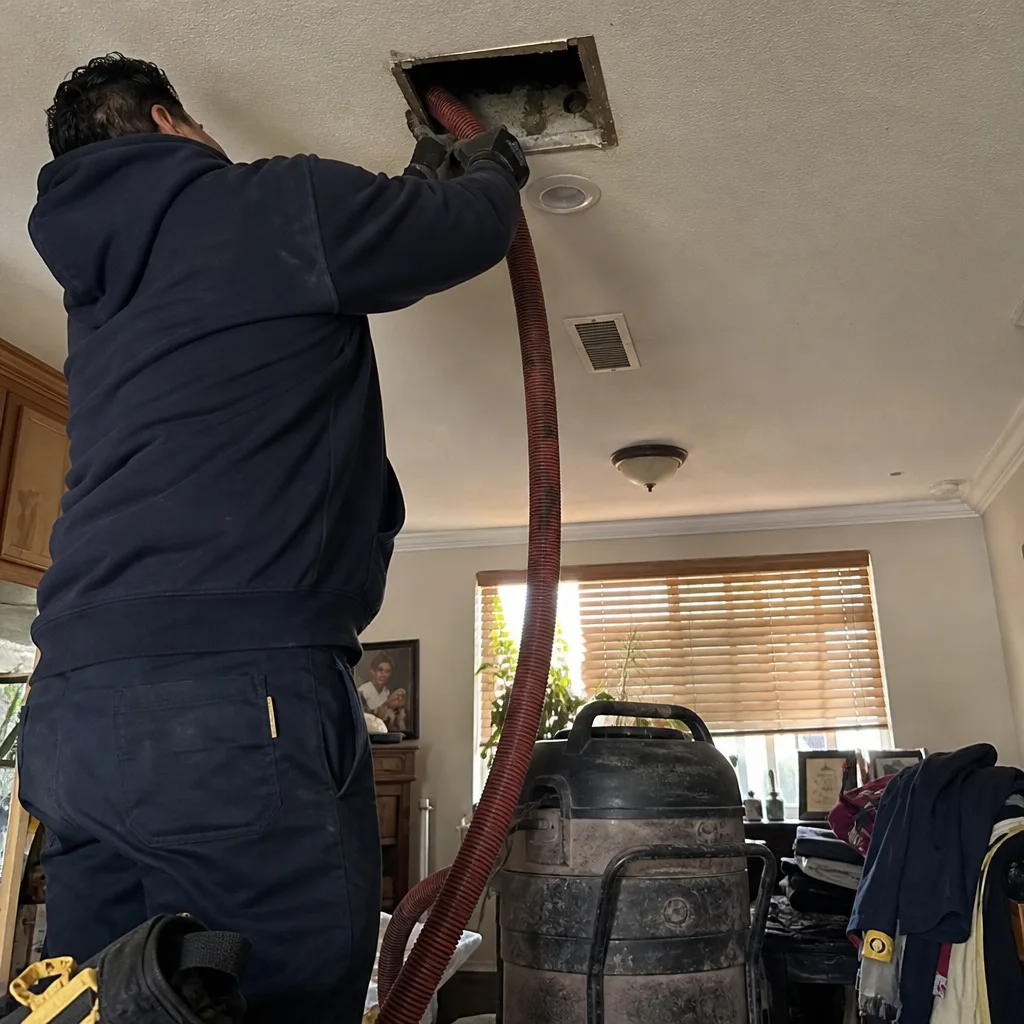 Before
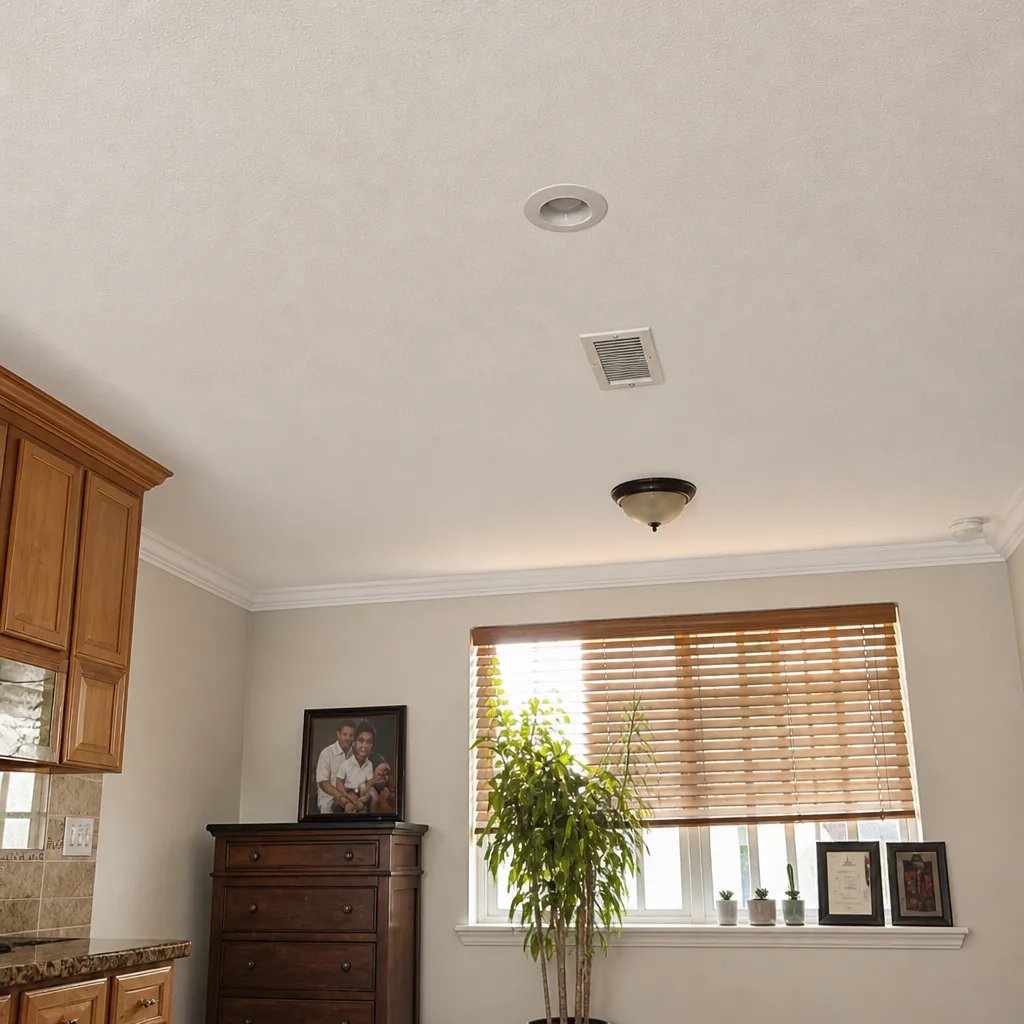 After
When to Call a Professional
Call a professional when you see any of the following:
- Airflow improved after a prior cleaning and then dropped again within a few weeks.
- One room runs consistently hot or cold no matter how the thermostat is set.
- A musty or dusty smell lingers after a cleaning.
- You’ve found visible tears, crushed sections, or disconnected joints in accessible ductwork.
- A static pressure test shows the system is restricted but the ducts look clean.
- The dryer is running hot or taking far longer to dry, or you smell burning near it.
If any of those sound familiar, don’t book another cleaning on spec. Duct Cleaning Santa Maria offers free estimates in Santa Maria: call (833) 630-1949. We answer 24/7. Fast dispatch from 7am to 7pm, Sunday through Friday. The estimate is free and the price is set per job by the written estimate, so you know what you’re paying for before work starts.
Frequently Asked Questions
Because the restriction is physical, not contamination. A crushed flex duct, a separation at a plenum, or a damper that got knocked closed during the visit can all cut airflow after a clean job. If airflow was fine before cleaning and dropped after, ask for a static pressure test and camera inspection. Call (833) 630-1949 for an exact quote on the diagnosis. Estimates are free.
Get a moisture inspection. A musty smell after cleaning usually points to mold on the evaporator coil, damp material bonded to the duct liner, or a wet plenum upstream. Cleaning the ducts a second time won’t fix it. We use HEPA extraction and containment tools to pull contamination out of the coil and liner without spreading it into your home. Call (833) 630-1949 to book the inspection.
Typical estimates for a single-family home in Santa Maria run $350 to $700, with larger or multi-story homes reaching $650 to $1,100 and repairs adding $200 to $500 per affected branch. Those are estimates, not quotes, and the written estimate sets the final price. We give one flat price per system, not a per-vent figure. Call (833) 630-1949 for an exact quote, free.
Cheaper quotes often leave out the inspection after the clean, cap the number of registers they’ll touch, or quote a low headline price that grows once the technician is on site. A per-vent price is the usual red flag. Ask for a written flat price per system and before-and-after photos before you book. Call (833) 630-1949 for an honest quote in Santa Maria.
Ask for a before-and-after camera inspection and photos of your own ducts, not stock images. A proper job shows you the contamination before and the clean duct wall after, and runs a static pressure check to confirm airflow moved. We take photos on every job. Call (833) 630-1949 to book yours.
Most homes in Santa Maria do well with a cleaning every 3 to 5 years, but the schedule depends on pets, whether anyone in the home has allergies, recent renovation work, and how well the filter has been maintained. Systems with older flex duct or a history of moisture may need an inspection sooner. Call (833) 630-1949 to talk through a realistic schedule for your home.
Cleaning removes contamination from inside the ducts. Repair fixes physical damage: a disconnected joint, a crushed section, or a torn liner. A system can need both, and the only way to know is by inspecting the ducts after cleaning. If a static pressure test shows restriction with clean ducts, you need repair. Call (833) 630-1949 for a free estimate.
No. It’s a separate service, but we can schedule it on the same visit. Given that lint buildup is a leading cause of dryer fires, if the dryer is running hot or taking longer to dry, book the dryer vent along with the ducts. Call (833) 630-1949 to schedule both.
The Bottom Line
The pattern after a disappointing duct cleaning isn’t a mystery once you know what to look for. Airflow that fades, one room that never gets comfortable, or a musty smell that lingers all point at the same thing: a physical problem in the duct system, not a cleaning that failed. Cleaning is the first step. Inspection and repair are what make the result hold. In Santa Maria, mild weather and marine-layer humidity put older flex duct at the top of the list for liner damage and loosened joints, so a proper inspection after every clean is worth more than a lower per-vent price. Call (833) 630-1949 for a free estimate. We answer 24/7. Fast dispatch from 7am to 7pm, Sunday through Friday. Contractors-grade equipment, one flat price per system, before-and-after photos of your own ducts, and repair work when repair is what you actually need. For nearby service areas, see our Santa Maria page.
Written by the team at Duct Cleaning Santa Maria.