
Last updated November 15, 2026
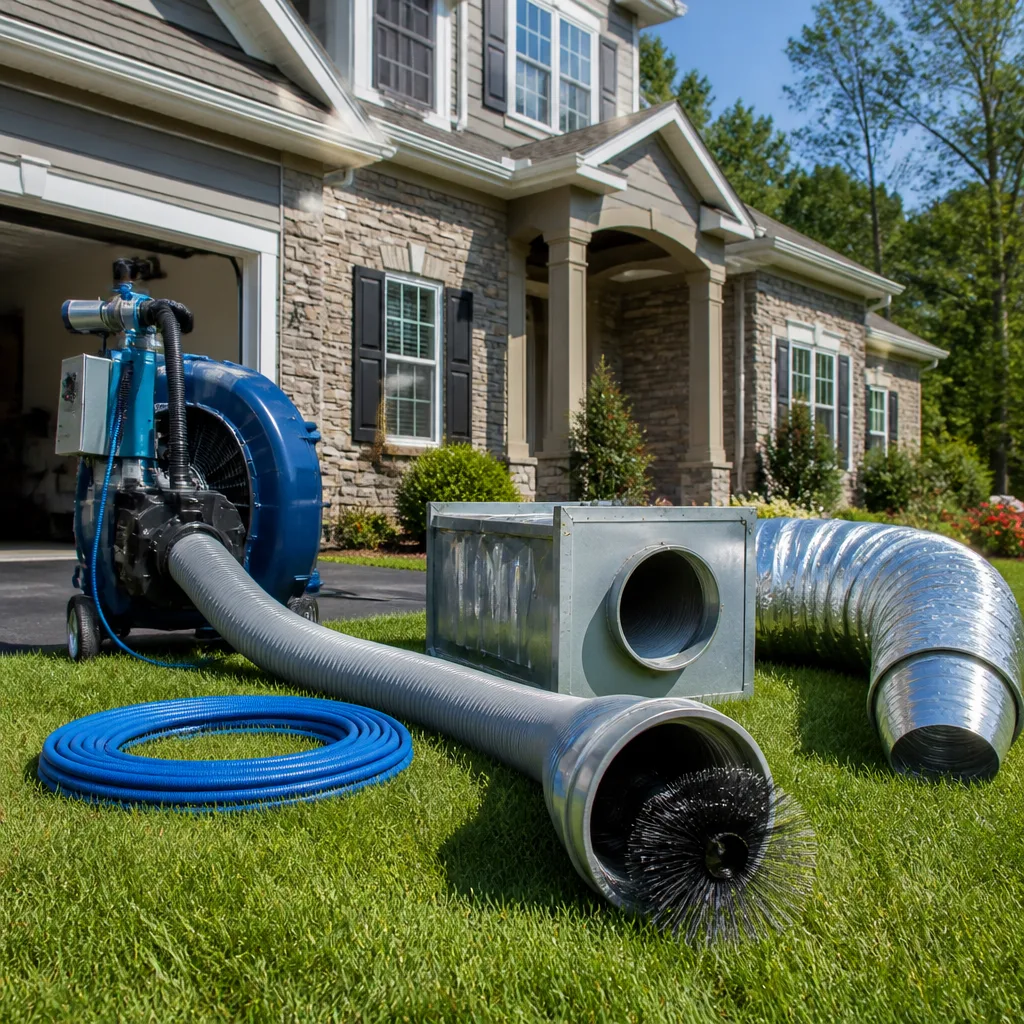 Whole-home duct cleaning
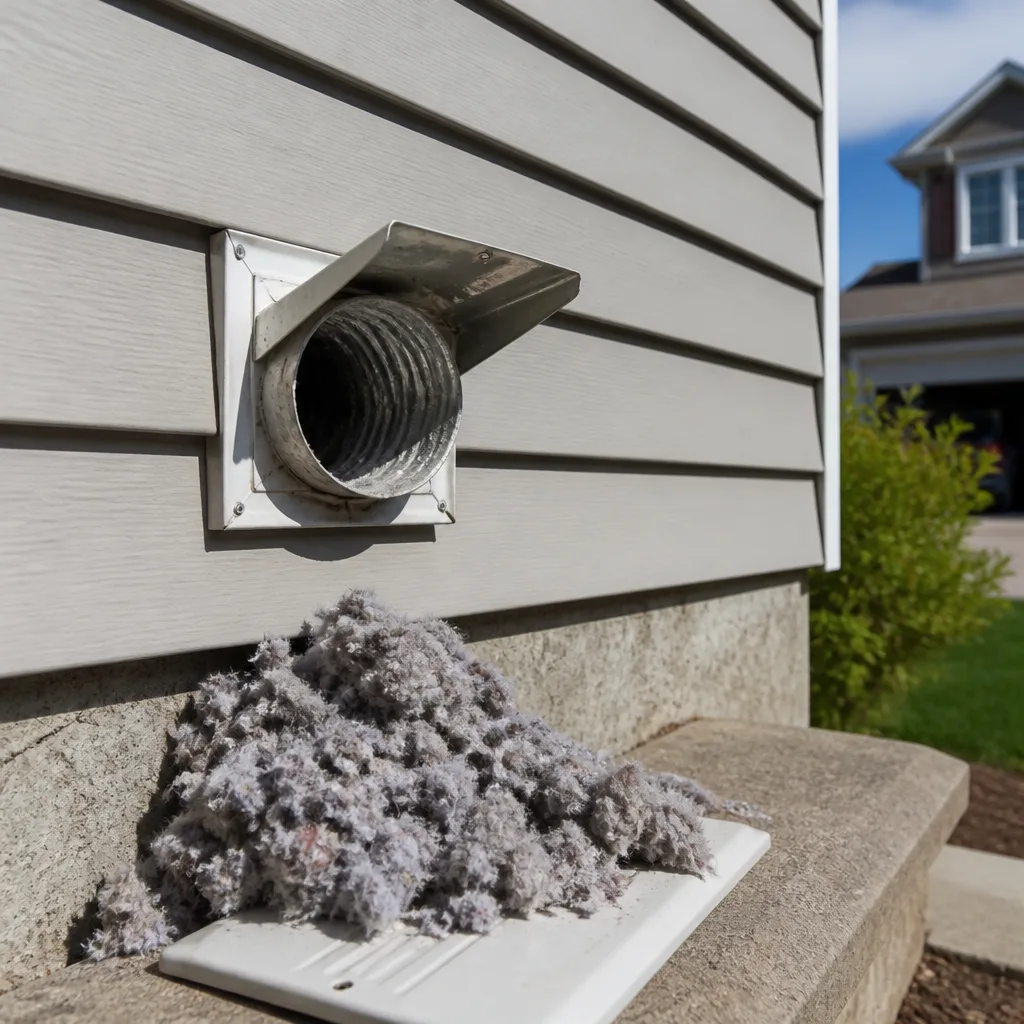 Dryer vent cleaning
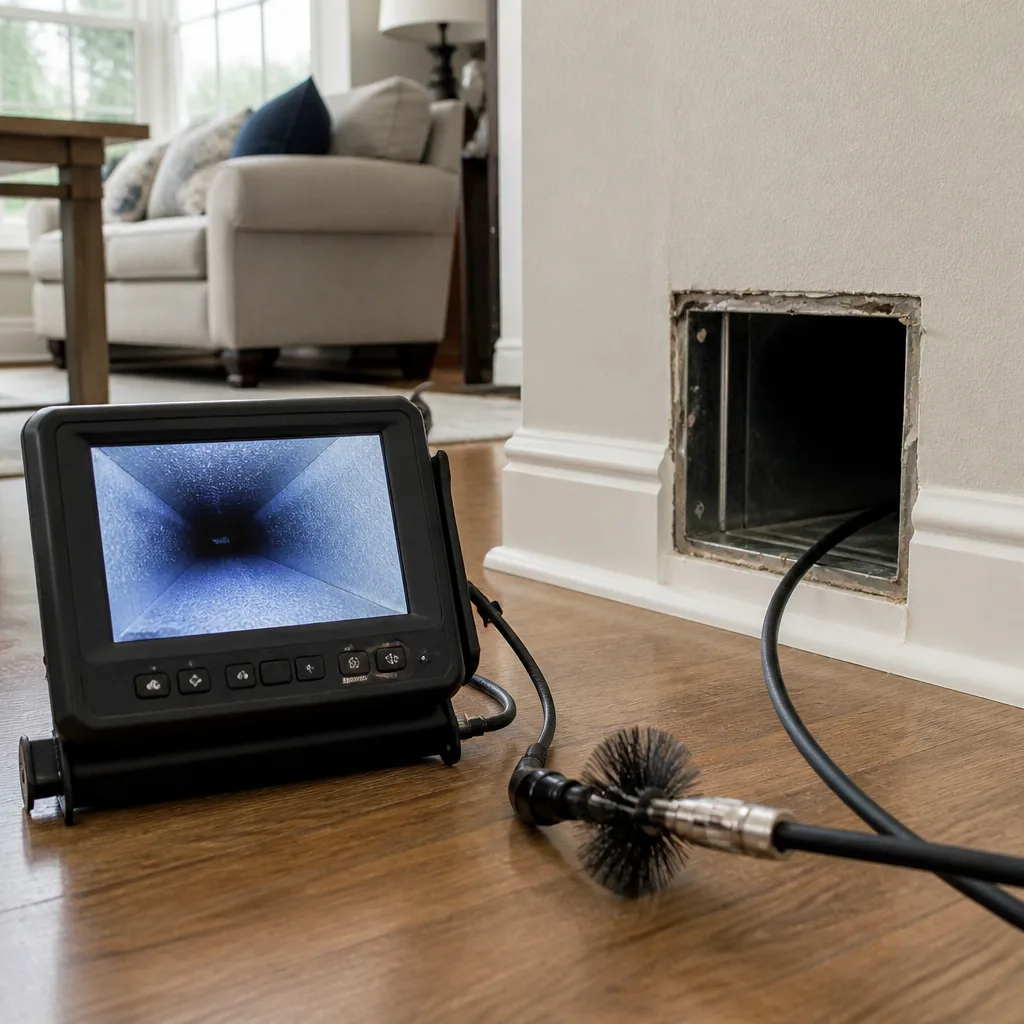 Camera inspection
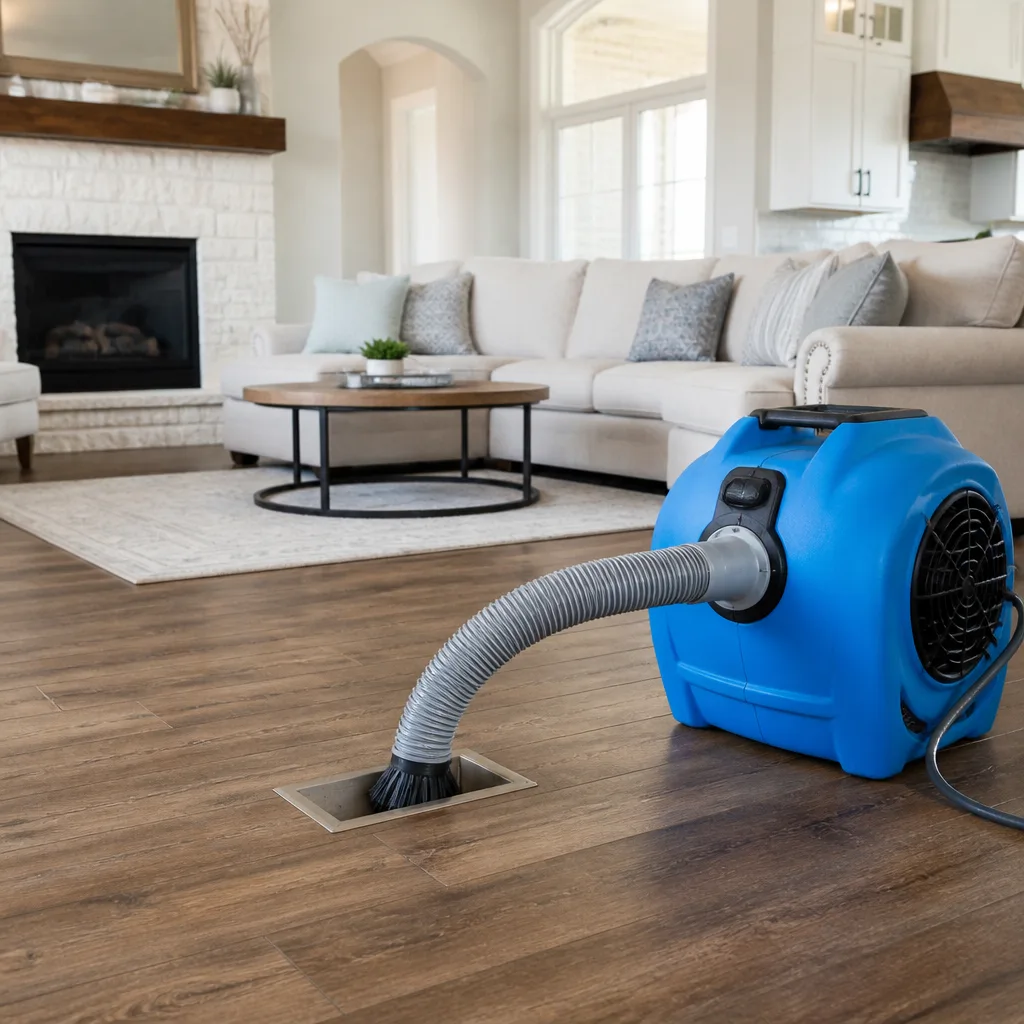 Sanitizing & deodorizing
Whole-system duct and dryer vent check with before-and-after photos - you see exactly what came out of your vents
That "$99 whole-house special" is a bait ad - the real number appears once they are in your hallway, or the "clean" is a shop-vac at the register. We photograph the inside of your ducts before and after instead.
Air Duct Cleaning Emergency Preparedness Guide for Santa Maria Homes
Most homeowners treat duct cleaning as housekeeping, something you get around to when the vents look dusty. That framing gets the order of operations exactly backwards during a fire or wind event. Running your HVAC for 20 minutes after a nearby wildfire, before anyone has inspected the ducts, can push fine ash and combustion byproducts into every room of the house. The system that normally keeps you comfortable becomes the delivery mechanism. This guide covers what to do before a smoke or dust event reaches Santa Maria, what to do in the hours after one passes, how to judge whether a construction project next door has contaminated your ducts, and how to document everything if you end up filing an insurance claim. It’s written for people who want a sequence to follow, not a sales pitch.
Quick Answer
Before a known smoke or dust event, shut the system off and seal the outdoor air intake and return grilles. After the event, keep the HVAC off until the ducts have been inspected, upgrade the filter temporarily, then have a professional clean and verify the system before you resume normal operation. Smoke odor in ducts and smoke particulate in ducts are two different problems and need two different treatments. If the contamination follows a covered event, photograph and document before anything is cleaned.
Styles & brands we work with
- Whole-home duct cleaning
- Dryer vent cleaning
- Camera inspection
- Sanitizing & deodorizing
Table of Contents
- Why Your Duct System Is the Weak Point in a Smoke Event
- Pre-Event Protocol: Sealing and Protecting Ducts Before Fire or Wind Warnings
- Post-Wildfire Response: The Correct Order of Actions
- Smoke Odor vs. Smoke Particulate: Why the Wrong Response Makes It Worse
- Construction Dust and Duct Contamination: When Cleaning Is Warranted
- What a Real Duct Inspection Looks Like (and What It Isn’t)
- Documentation and Insurance: What to Record After a Covered Event
- Getting the System Back to Normal Operation
Why Your Duct System Is the Weak Point in a Smoke Event
Wildfire smoke doesn’t behave like ordinary household dust. It carries fine particulate, often small enough to stay airborne for a long time, along with combustion byproducts that settle onto surfaces and into the crevices of a duct system. In a typical Santa Maria home, the return-air side of the system draws air from living spaces, passes it across a filter, and then distributes it back through supply runs. That filter is your first line of defense, but it’s not a seal. Smoke finds its way past filter edges, through gaps at joints, and into the ductwork itself when the system runs during or right after an event.
Once particulate is inside the ducts, it doesn’t sit still. Every time the blower runs, a portion of it gets pushed back out through the registers. This is why we see homes where the visible rooms were wiped down and mopped repeatedly, yet the air still smells of smoke days later. The source wasn’t the furniture. It was the duct system doing what duct systems do.
Santa Maria sits in a region where the wind patterns are a real factor. When the dry, gusty wind events that locals know well push through the valley, they carry dust and ash from a wide area. Some of that settles on roofs and in attics, and from there it works into attic duct runs, especially older flex duct with porous surfaces or poorly sealed connections. The equipment matters here. Residential shop vacuums disturb more than they capture; contractor-class rotary-brush and HEPA-extraction systems like Rotobrush and Nikro are built to agitate debris loose and pull it into a contained filtration stream. That’s the difference between a thorough job and a surface pass.
None of this means every home needs cleaning after every wind event. It means the duct system deserves a place in your emergency plan, alongside the batteries, water, and documents you already think about.
Pre-Event Protocol: Sealing and Protecting Ducts Before Fire or Wind Warnings
When fire or dust warnings are issued for the Santa Maria area, you have a narrow window to reduce how much contamination enters the system. The goal is simple: stop the system from pulling outside air and particulate into the ducts while the event is underway. Here’s the sequence we recommend.
- Turn the HVAC system off at the thermostat. Not to “fan only” or “circulate.” Off entirely. A running blower pulls air through the system continuously, and during a smoke event that means continuous exposure.
- Close windows, doors, and any exterior dampers. If you have a fresh-air intake or an economizer feature, close it. Check the fireplace damper too, since a down-draft can push smoke into the living space.
- Seal the return grilles temporarily. A layer of plastic sheeting taped over the largest return grilles reduces how much smoke gets pulled into the system by drafts and pressure differences. Leave supply registers partially open so the system doesn’t build pressure, or leave them fully open and rely on the return-side seal.
- Seal the outdoor air intake. If you can locate the outdoor intake for your system, cover it from the outside with plastic or a temporary panel and tape it securely. This is often the single most effective step.
- Check your filter and note its condition. Photograph it. You’ll want a record of what the filter looked like before and after, both for your own decisions and for any insurance documentation.
- Wait until the event has passed and the air has cleared before restarting anything. Restarting early just repeats the exposure with a dirtier system.
One caveat: sealing a system is temporary, and it must be undone once conditions improve. Leaving intake covers in place long-term can strain the blower and create pressure problems. If you’re not sure whether your setup has an outdoor intake or how it’s configured, that’s a question worth answering before the next event rather than during it.
If you have a scheduled air duct cleaning appointment coming up, this is also a good moment to ask the technician to check seal points and connections while they’re in the system. A breach that’s been there quietly for years becomes a serious problem fast when contaminated air is available to leak through it.
Post-Wildfire Response: The Correct Order of Actions
After a fire or wind event has passed, the temptation is to turn the system back on and see how it smells. Don’t. The order of operations matters because each step sets up the next one, and doing them out of order can spread contamination instead of removing it. This is the sequence we walk homeowners through.
- Keep the HVAC off. Leave it off until step four is complete. Every minute of blower runtime before inspection distributes whatever is in the ducts.
- Do a visual check of the obvious entry points. Look at your filter, the return grilles, and any accessible attic duct runs. Soot streaking, gray film on filter media, or visible deposits around joints are all signs the system took on contamination.
- Upgrade the filter temporarily. A higher-MERV filter captures more fine particulate than a basic one, but check that your system’s blower can handle the increased resistance. The filter’s job is to catch what the system pulls in after the event, not to fix contamination already inside the ducts.
- Schedule a professional inspection. A proper inspection uses containment-grade equipment and, where appropriate, camera access to look inside the duct runs. This is where you find out whether you need a full cleaning, a repair, or nothing at all.
- Have the system cleaned if the inspection warrants it. A professional cleaning uses equipment like a Rotobrush rotary-brush system paired with Nikro HEPA extraction, and ideally containment barriers from Abatement Technologies to keep dust from migrating into living spaces during the work.
- Get a clearance check before resuming normal operation. After cleaning, the ducts should be visually clean, and any smoke odor should be evaluated separately. Only then does the system go back into normal service.
In our experience, most of the problems we’re called out for after a fire event come from skipping step one. Running the system “just to see” is the single most common way a manageable situation becomes a whole-house cleaning. The full process from inspection through cleaning and clearance can usually be scheduled within days, not weeks, so there’s no real benefit to rushing it.
Smoke Odor vs. Smoke Particulate: Why the Wrong Response Makes It Worse
This is the distinction most homeowners miss, and getting it wrong is common. Smoke odor in a duct system and smoke particulate in a duct system are related but different problems.
Smoke particulate is physical. It’s ash, soot, and fine solids that have settled onto duct walls, insulation, and the blower assembly. You can’t treat it away. It has to be physically removed. That means rotary brushing to loosen deposits, HEPA extraction to capture them, and a containment setup that keeps them from settling somewhere else in the house. Air fresheners, ozone machines, and filter sprays do nothing for physical particulate. In fact, running a scented product or an ozone generator through a contaminated system can drive the particulate deeper or mask the problem while the deposits remain.
Smoke odor is the volatile component. Odor molecules can soak into porous surfaces, duct lining, and sometimes the blower cabinet, long after the visible particulate is gone. Odor is treated differently, and often it resolves only after the physical cleaning is done, because the source material holding the odor is removed. Treating odor before particulate removal is like mopping a floor before sweeping it.
The practical sequence is: remove particulate first, then evaluate odor. If odor survives a thorough cleaning, that’s a separate conversation about duct lining condition, insulation, or equipment. It’s also the reason we advise against “fogging” a system with a deodorizing product as a first step. If you’re not sure which problem you have, a visual inspection with a camera in the duct runs answers it quickly. Call (833) 630-1949 and we’ll walk through what your situation actually calls for. We answer 24/7, with fast dispatch from 7am to 7pm.
Construction Dust and Duct Contamination: When Cleaning Is Warranted
Wildfire smoke gets the headlines, but in the Santa Maria area, construction dust is a steady contributor to duct contamination. It shows up in two ways: a project in your own home, or a project on a neighboring property that sends drywall dust, sawdust, and concrete fines through the air for weeks.
Drywall dust is the harder of the two. It’s fine, it’s alkaline, and it drifts. It settles into return grilles that are pulling air during the construction window, and from there it works into the filter and past it. Remodeling areas that don’t have the returns sealed off during the work are the usual culprit. If you’re planning a project, sealing returns and shutting the system down during active demolition and sanding phases is far easier than cleaning the system afterward.
Neighbor construction is a different problem, because you don’t control the schedule. What you can control is your system’s exposure. If a project next door is generating visible dust plumes for extended periods, treat it like a small version of the fire-event sequence: close windows, keep the system off during the dustiest hours, check your filter more often, and inspect the return grilles for a fine white or gray film.
When is professional cleaning warranted versus a filter change? Our rule of thumb:
- Filter replacement alone is usually enough if the filter is visibly dirty but the return grilles and accessible duct runs look clean, the dust event was short, and there’s no odor.
- Professional cleaning is warranted when you see visible deposits inside the return trunks, when the blower wheel has accumulated dust, when the same dust reappears on surfaces after cleaning, or when the construction activity lasted more than a few days and the system ran during it.
- Inspection plus your judgment is the right call for the in-between cases. A camera view inside the ducts settles the question faster than guessing.
We also see homes where a construction project revealed an existing duct problem. Poorly connected flex runs, disconnected joints, and openings in the duct box that were hidden behind drywall don’t show up until someone looks. That’s where air duct repair becomes part of the job, because cleaning a system with breaches just means the next dust event recontaminates it. Our Duct Cleaning Santa Maria team handles both under one scope: we clean it, then we inspect it, and we fix what others leave behind.
What a Real Duct Inspection Looks Like (and What It Isn’t)
A real inspection is not a technician glancing at your registers and telling you they look fine. It’s also not a sales visit where the answer is “yes, you need a full cleaning” before anyone has looked inside the system. Here’s what a proper inspection involves in a Santa Maria home after a smoke or dust event.
- Camera access into the main trunk and representative branch runs. A small inspection camera shows whether the duct interior is clean, streaked with soot, or coated with construction dust. Without this, any recommendation is a guess.
- Blower and air handler check. The blower wheel collects dust like a fan blade in a smoky room. If it’s coated, that’s a sign the system took on particulate and needs more than a filter change.
- Filter and filter housing review. Filter bypass, the gap around the filter’s edges that lets air slip past uncleaned, is common and worth checking. A high-MERV filter with bad sealing is doing less than you think.
- Joint and connection inspection. Loose joints, disconnected flex runs, and openings at the air handler are all points where contaminated air can enter the system or escape into the attic. These are repair items, not cleaning items.
- Odor evaluation after cleaning. As covered above, odor gets assessed after physical removal, not before.
Our technicians have up to 8 years of experience with contractor-class equipment, and we bring Abatement Technologies containment tools on every job so that the inspection and cleaning don’t redistribute dust into your living space. That containment standard is the same one used in professional remediation work, and it matters most in exactly this kind of post-event scenario, where the whole point is to remove contamination without spreading it. If you’d rather have the inspection done before you decide anything else, that’s a reasonable place to start.
Documentation and Insurance: What to Record After a Covered Event
If duct contamination follows a covered event (a fire, a wind-driven smoke event, a covered construction loss), the documentation you gather in the first days matters. Insurance adjusters work from records, and a clean record of the before-state makes the claim much easier to process. Here’s what to capture.
- Photograph the filter before changing it. Date-stamp the photo if your phone does that automatically. The filter is the clearest evidence of what entered the system.
- Photograph visible deposits. Return grilles, register faces, and any accessible duct runs with visible soot or dust film. Take wide shots and close-ups.
- Note the timing. When the event occurred, when you shut the system off, when you restarted it (if you did), and when you first noticed odor or visible dust. Keep this in a simple written log.
- Save the inspection report. A written inspection with photos of the duct interior is far stronger than a verbal opinion. Ask for it in writing.
- Keep all receipts and estimates. Filter purchases, cleaning estimates, repair estimates, and any temporary measures you took. Keep the originals.
- Photograph the cleaned system and keep the clearance record. Before-and-after photos of your own ducts are useful both for closing out the claim and for confirming the work was actually done.
What you shouldn’t do is clean the system first and document second. Once the ducts are cleaned, the evidence of contamination is gone. Document the before-state, get the inspection in writing, and then proceed. If your insurer wants a specific form of documentation, ask them before the work starts.
Getting the System Back to Normal Operation
Recovery is the part that gets skipped. After cleaning, the system needs a few deliberate steps before it’s back to normal service.
- Replace the filter with a fresh one at the correct MERV rating for your system. A temporary high-MERV filter used during recovery can be swapped back to your normal rating once the air has cleared, since higher filtration adds resistance the blower wasn’t designed for.
- Confirm all temporary seals are removed. Return grille plastic, outdoor intake covers, and any tape used during the event all need to come off before the system runs normally.
- Run the system and check the registers. Every register should have steady airflow and no visible dust puffing out. Uneven airflow across registers can point to a repair issue the cleaning didn’t address.
- Watch for odor over the following week. If smoke odor returns after a thorough cleaning, the source is usually duct lining or insulation that’s holding it, and that’s a follow-up conversation.
- Consider a longer-term air-quality step. We’re authorized to supply and service Honeywell and Aprilaire air-quality products, and for homes that sit through repeated smoke events, filtration and ventilation improvements make a measurable difference over time.
We also recommend a dryer vent cleaning check if your dryer vent shares attic or wall space that took on dust during the event. Lint buildup is the leading cause of dryer fires, and a vent that’s been quietly accumulating lint for years is worth a look after any event that involved airborne debris. It’s a small job that closes off one more risk.
Common Mistakes to Avoid
- Running the HVAC “just to see” after a smoke event. This is the classic mistake, and it’s the one that turns a manageable cleaning into a whole-house job. Keep the system off until inspection.
- Treating odor with an ozone machine or air freshener before cleaning. Odor treatment before particulate removal can drive contamination deeper and mask the problem. Remove the physical debris first.
- Assuming a filter change fixes everything. Filters catch what passes through them, but they don’t clean ducts that already have deposits. A clean filter on a dirty system gives a false sense of progress.
- Skipping documentation before cleanup. Once the ducts are cleaned, the evidence is gone. Photograph and log the before-state if a covered event is involved.
- Ignoring a neighbor’s construction dust for weeks. Drywall dust drifting into return grilles over an extended project is a real exposure. Seal returns during dusty phases and check the filter more often.
- Treating a duct cleaning as a one-time event with no follow-up inspection. Cleaning without checking joints and connections means the next dust event will find the same breaches. Repair matters as much as cleaning in a home with older duct runs.
- Bringing in a general handyman with a shop vacuum. Consumer-grade equipment disturbs fine particulate more than it captures. Contractor-class rotary-brush and HEPA-extraction systems exist precisely because fine particulate is hard to contain.
See the difference
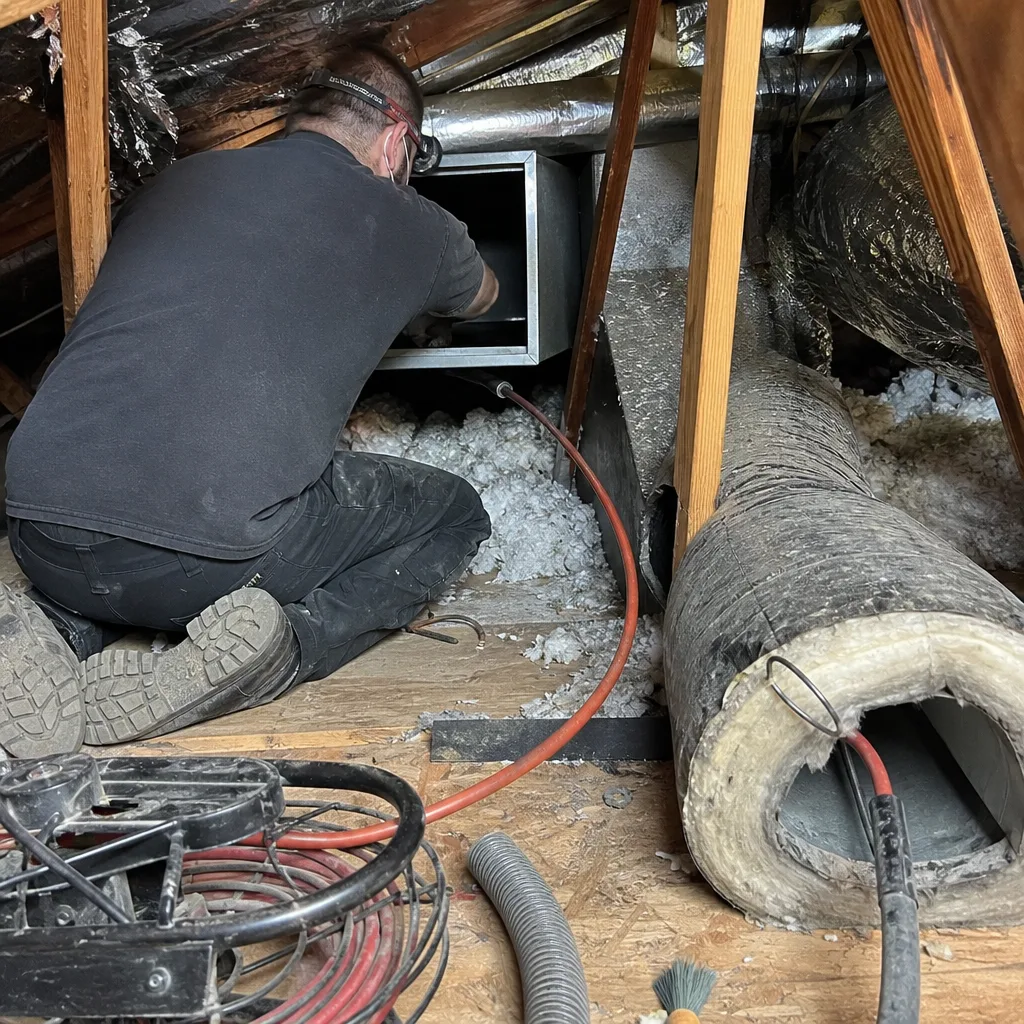 Before
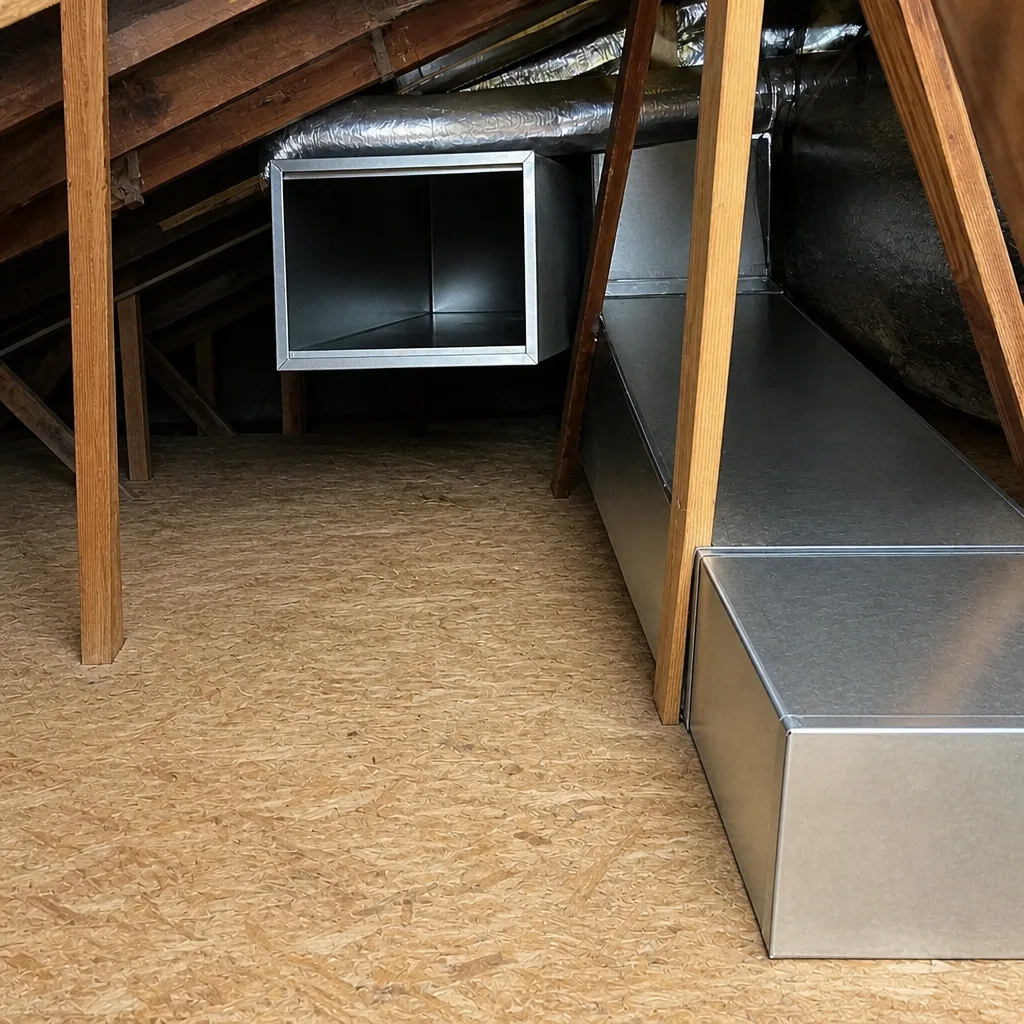 After
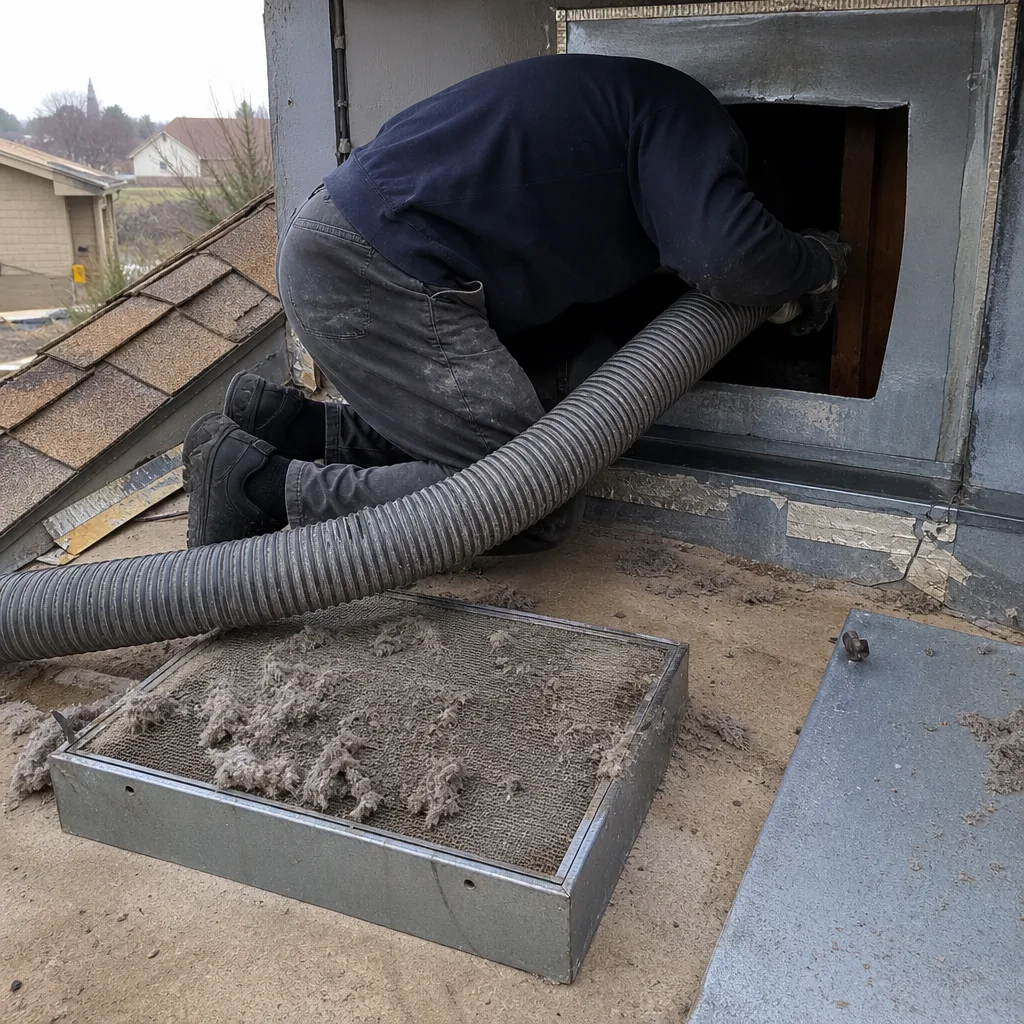 Before
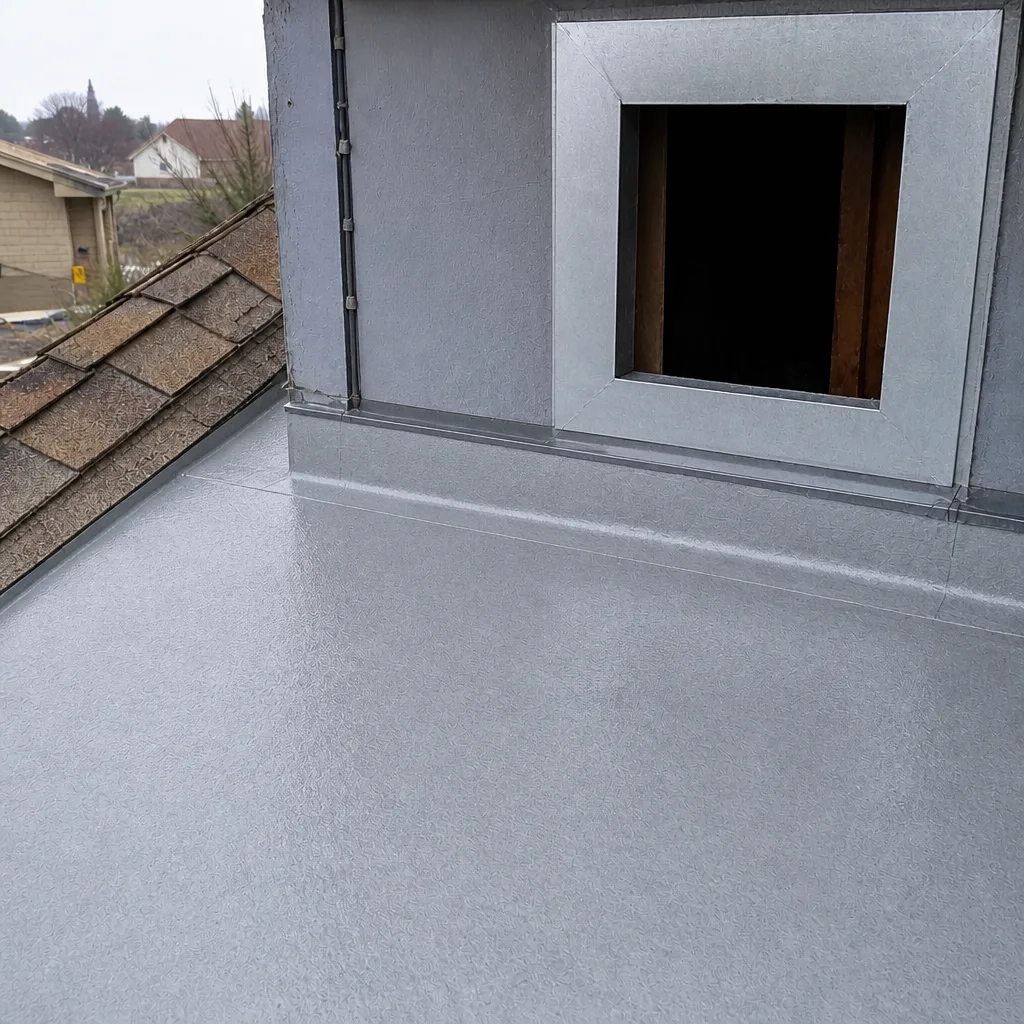 After
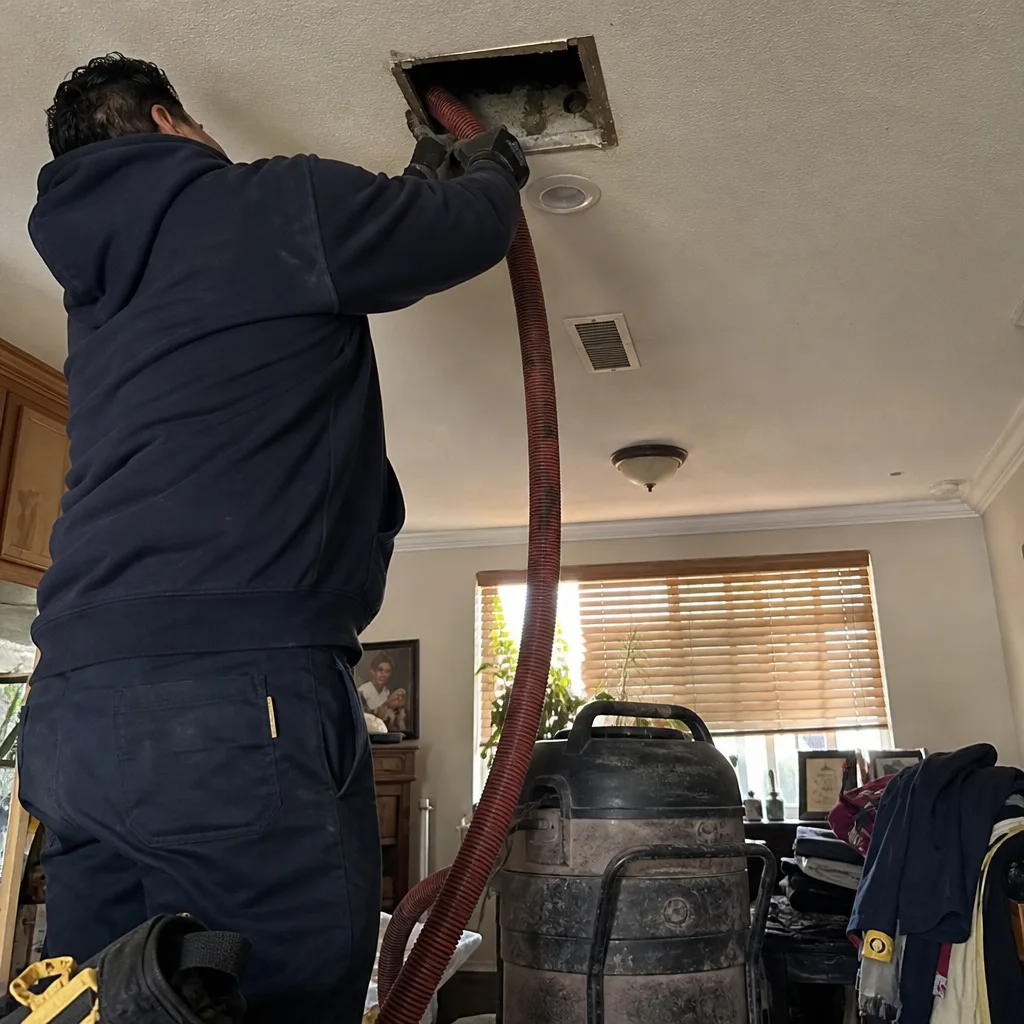 Before
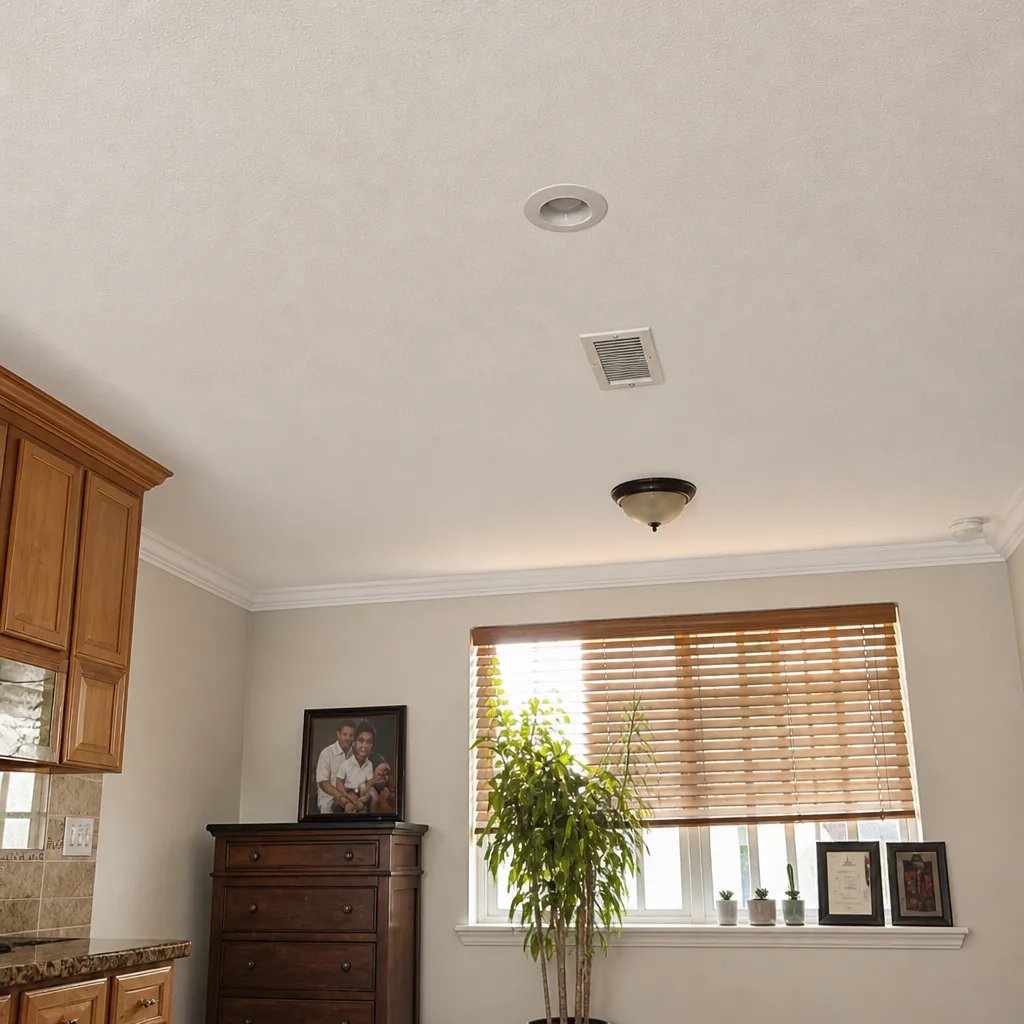 After
When to Call a Professional
Call a professional when you can see visible deposits inside return trunks or around registers, when the blower wheel is coated, when odor persists after cleaning, when a construction project of more than a few days ran while the system was running, or when you’re not sure and a camera inspection would settle it. Duct Cleaning Santa Maria offers free estimates in Santa Maria. Call (833) 630-1949. We answer 24/7. Fast dispatch from 7am to 7pm, Sunday through Friday. Our quotes are one flat price per system, agreed before work starts, and you get before-and-after photos of your own ducts so you can see what was actually removed. Estimates are free.
Frequently Asked Questions
No. Not every smoke event justifies a full cleaning. A short-duration event with the system off and a clean filter afterward often needs nothing more than a filter change and an inspection. Extended smoke exposure, visible soot in the returns, or odor that persists point toward professional cleaning. A camera inspection is the fastest way to know for sure, and it’s free to ask.
A typical residential cleaning is a scheduled job that runs a few hours depending on system size and access. The bigger variable is the inspection and clearance check on either side of the cleaning. We schedule the whole sequence together so you’re not chasing separate appointments. Call (833) 630-1949 and we’ll walk through what your system needs.
Sometimes, if the contamination never made it past the filter. A higher-MERV filter helps during recovery, but it can’t remove deposits already inside the ducts, and it adds resistance the blower may not be designed for. Check the rating your system is spec’d for and lean on an inspection when you’re unsure.
Ask for before-and-after photos of your own ducts, not stock images. A thorough job includes camera documentation before and after, and a clearance check at the end. That’s the standard we hold ourselves to, and it’s the right question to ask any provider in Santa Maria.
Photograph the filter before you change it, photograph visible deposits at grilles and accessible runs, note the event timeline in writing, save the inspection report, and keep all receipts and estimates. Document before anything is cleaned, since the evidence of contamination disappears once the work is done.
Cheap quotes usually mean surface work: a shop vacuum pass without rotary brushing, no containment, and no camera inspection. That’s a different job from a full cleaning with contractor-class equipment. The real question isn’t price alone, it’s what the price covers. We price one flat rate per system and agree the scope before anything starts. Questions? Call (833) 630-1949 for an exact quote. Estimates are free.
The Bottom Line
Emergency preparedness for your ducts comes down to a short sequence: stop the system before a smoke or dust event, seal the entry points, keep it off until after the event clears, then inspect and clean before resuming normal operation. Distinguish particulate from odor, and treat them in that order. Document everything if a covered event is involved. And when a project next door or a construction phase in your own home generates dust, treat it like a small version of the same event. None of it is complicated, but none of it is obvious either. If a smoke or dust event has hit Santa Maria and you’re not sure what your ducts took on, a free estimate is the place to start.
Call (833) 630-1949. We answer 24/7. Fast dispatch from 7am to 7pm, Sunday through Friday.
Written by the team at Duct Cleaning Santa Maria.