
Last updated November 15, 2026
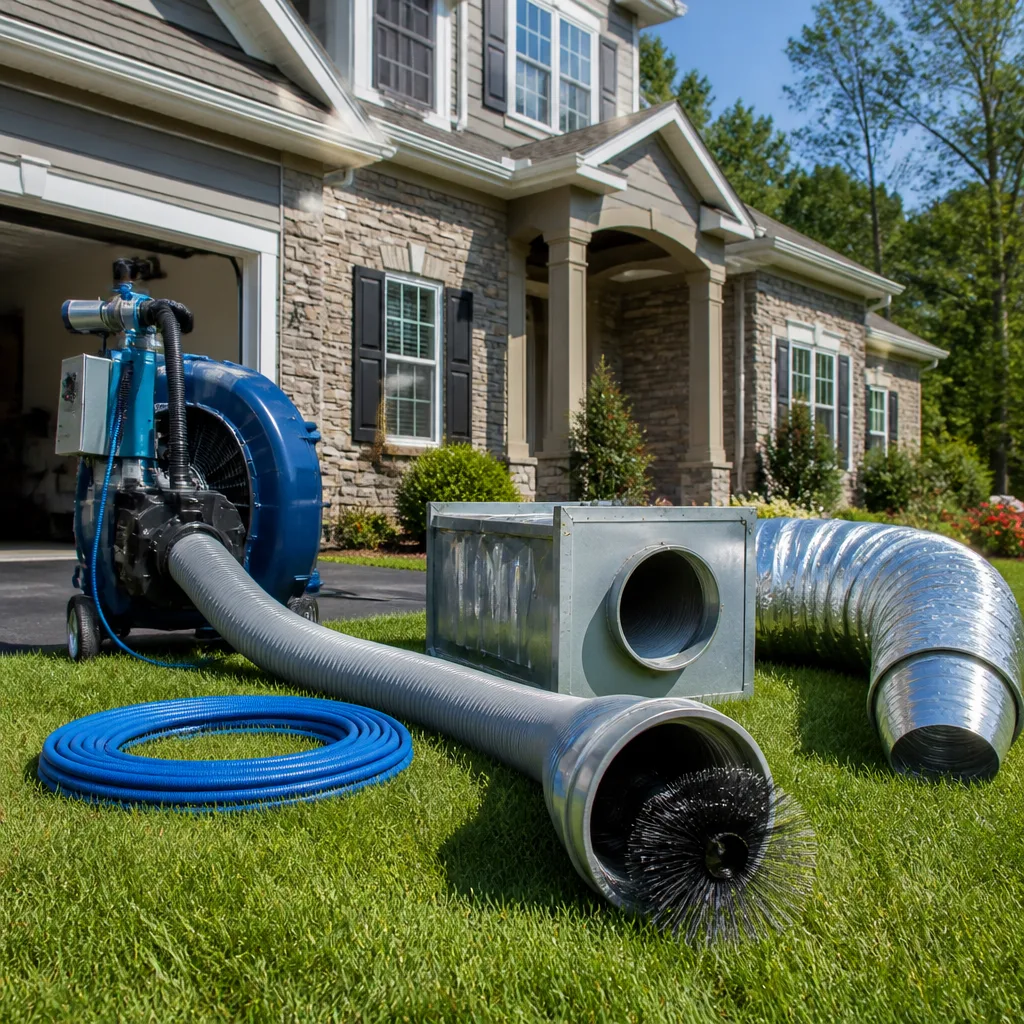 Whole-home duct cleaning
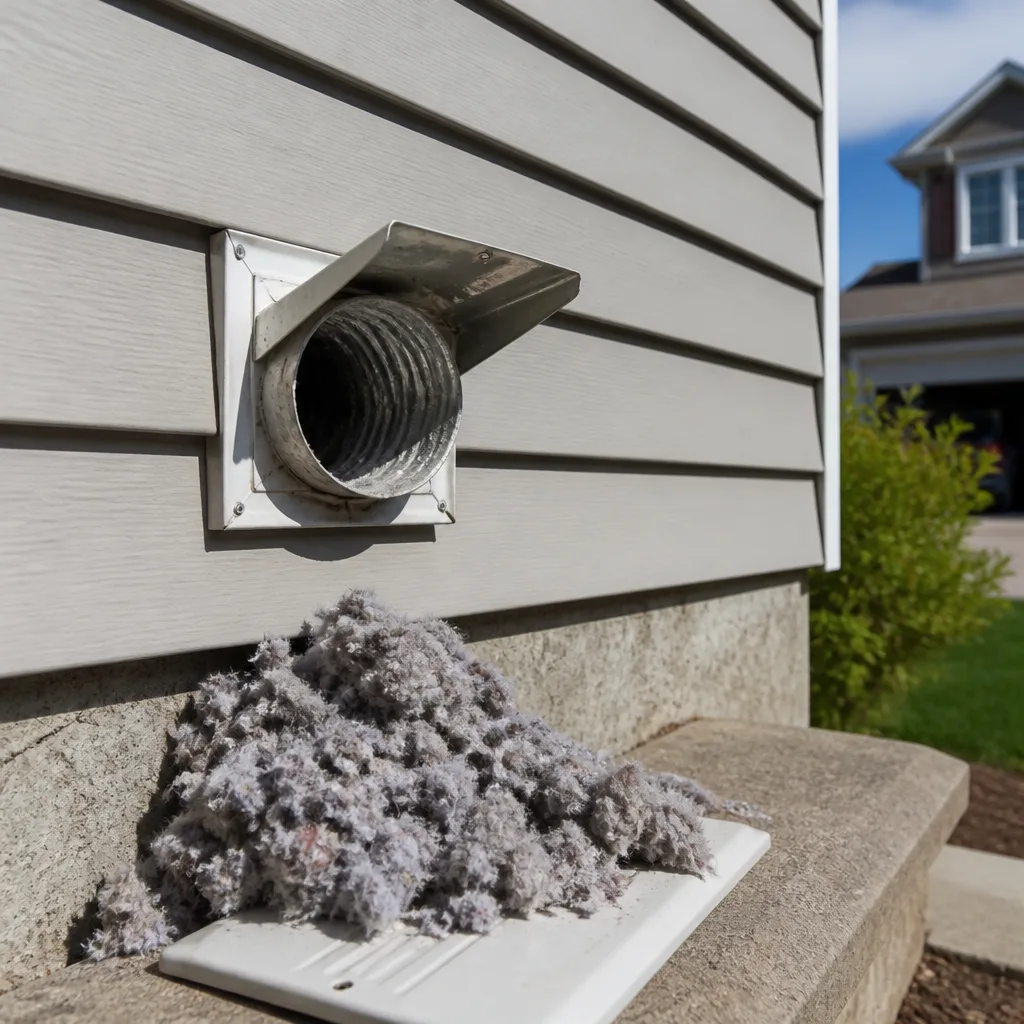 Dryer vent cleaning
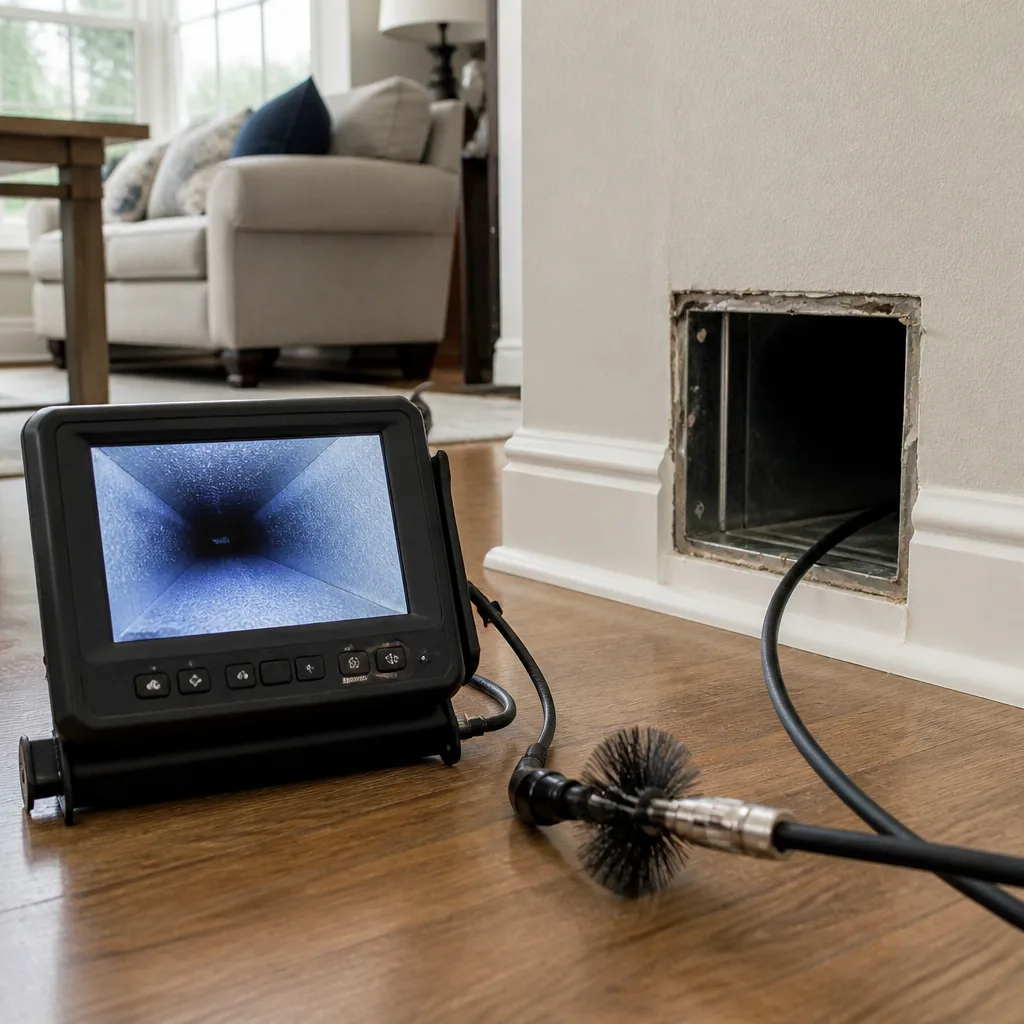 Camera inspection
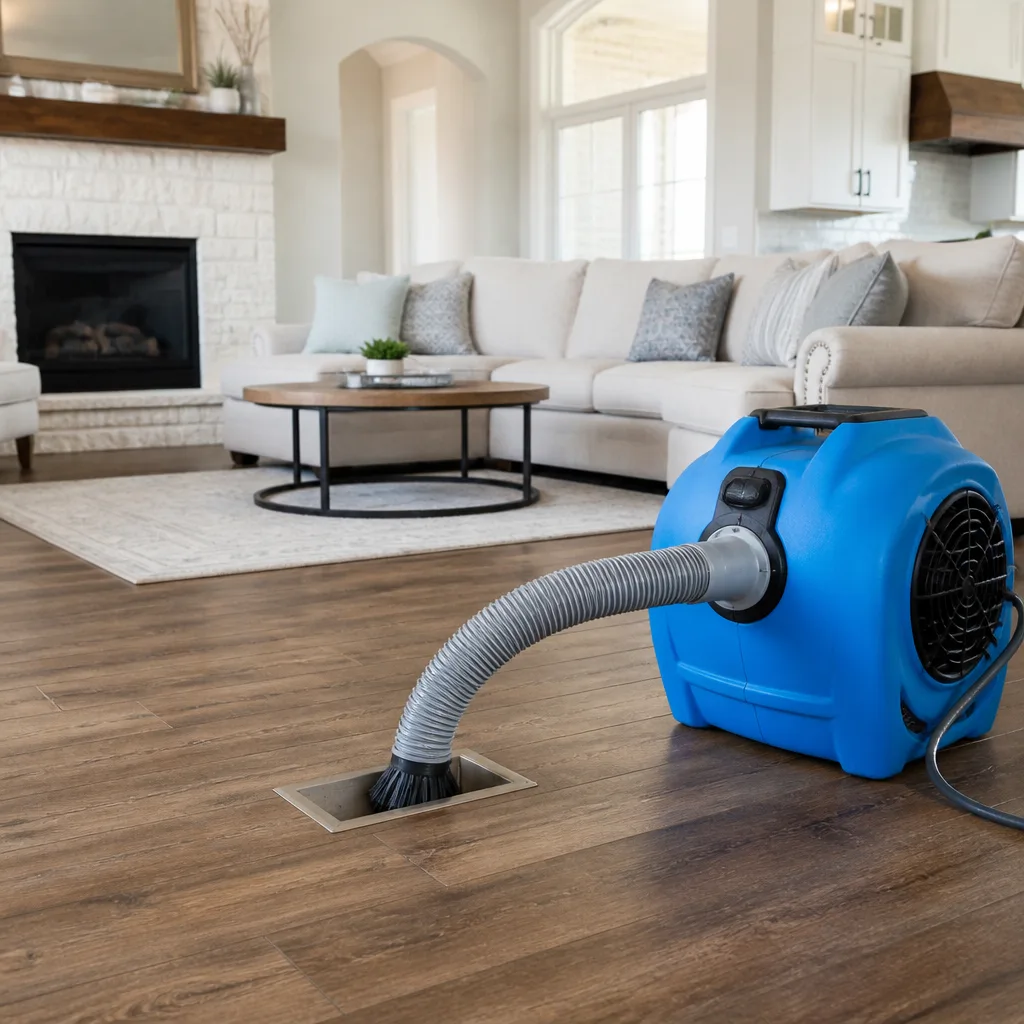 Sanitizing & deodorizing
Whole-system duct and dryer vent check with before-and-after photos - you see exactly what came out of your vents
That "$99 whole-house special" is a bait ad - the real number appears once they are in your hallway, or the "clean" is a shop-vac at the register. We photograph the inside of your ducts before and after instead.
Air Duct Cleaning Maintenance Schedule: What to Do and When
Most homeowners are working from a rule that doesn’t fit their house. “Every three to five years” gets repeated everywhere, but it comes from guidance that predates how homes are built today. Flex duct, tighter envelopes, and different filtration habits mean two houses on the same street can need very different schedules. In Santa Maria, where the air carries its own particular mix through the year, a flat calendar number is even less useful. This guide builds a schedule around your home’s actual conditions: what’s in the ducts, what’s happening in the house, and what a professional should document at each visit so the next interval is based on evidence instead of guesswork.
Quick Answer
There’s no single correct interval for air duct cleaning. A household with pets, recent renovation dust, or a family member with allergies may need cleaning every two to three years, while a low-occupancy home with good filtration and no pets can reasonably go four to five years or longer. The right approach is a variable-interval schedule driven by triggers (construction, pets, allergy onset, wildfire smoke, rodent activity) rather than a fixed countdown, reviewed at every professional visit with documented before-and-after evidence.
Styles & brands we work with
- Whole-home duct cleaning
- Dryer vent cleaning
- Camera inspection
- Sanitizing & deodorizing
Table of Contents
- Why the Generic “Every 3-5 Years” Rule Falls Short
- Building a Variable-Interval Schedule for Your Home
- Time-Based Triggers by Household Type
- Maintenance Tasks You Can Do Between Professional Cleanings
- How Santa Maria’s Air Affects Filter Loading Rates
- When to Move Up a Cleaning on Your Calendar
- What a Professional Should Document at Each Visit
- The Dryer Vent Schedule Most Homeowners Forget
Why the Generic “Every 3-5 Years” Rule Falls Short
The three-to-five-year number gets passed around like a building code, but it isn’t one. It’s a shorthand that assumes a median household: average foot traffic, average filtration, average dust load. Your ductwork doesn’t care about averages.
Two variables matter more than time. The first is what’s actually entering the system. A home in Santa Maria with two dogs and a woodshop in the garage loads its return ducts at a completely different rate than a retiree’s home with a well-fitted high-MERV filter and no pets. The second variable is duct construction. Older rigid sheet-metal ducts collect debris in ways that modern flex duct handles differently, and poorly sealed joints let in air from unconditioned spaces no matter how clean the interior is.
There’s a structural problem with a calendar rule, too. It gives nobody a reason to check anything between cleanings. A homeowner following “every five years” might not notice a disconnected flex run in the attic until airflow has dropped enough to notice on the energy bill, years after the problem started. A trigger-based schedule catches those issues early because the review happens whenever something changes in the house, not just when the counter rolls over.
The approach we use when we assess ducts in Santa Maria starts with the system, not the calendar. If the trunk lines and branches are clean, sealed, and properly connected, the interval can stretch. If there are visible breaches, moisture, or heavy accumulation near the return plenum, the interval shrinks. What happens between visits matters as much as the visits themselves. That’s why the next section breaks households into profiles rather than giving one number.
Building a Variable-Interval Schedule for Your Home
A practical schedule has two parts: baseline triggers that always prompt a cleaning, and time-based reviews for the quiet years. Start with the triggers. If any of the following has happened since your last cleaning, schedule an assessment regardless of when the last one was.
- Major renovation or remodeling. Drywall dust, sawdust, and insulation fibers migrate through the entire system during and after construction. This is the single most common reason ducts that were clean get dirty fast.
- Rodent or pest activity in the ductwork or attic. Droppings, nesting material, and contamination require professional cleaning and often repair before the system should be run at full airflow.
- New pet in the home, or a pet that sheds more than expected. Dander and hair load the return side quickly, especially in homes without frequent filter changes.
- A smoky wildfire season. Smoke particles are fine enough to bypass basic filters and settle on duct surfaces. Homes that stayed closed up through an extended smoke event typically need cleaning earlier than the calendar would suggest.
- New allergy or respiratory diagnosis in the household. If a family member has started reacting to indoor air, the source of the particulate load needs to be addressed directly.
- Signs of moisture or musty odor. Any hint of active moisture in the system calls for a professional inspection before anything else, because cleaning without fixing the underlying moisture source just resets the clock.
When none of these triggers has occurred, use a time-based review. Have the system inspected on a seasonal cadence, once in spring and once in fall before heating season, and clean when the inspection documents that cleaning is warranted. That approach is the practical version of the “clean as needed” guidance, and it requires a real inspection instead of a visual glance at the register.
We use the same reasoning in air duct cleaning assessments: the interval comes from what the ducts show, not from how long it’s been. If you’re due for a review, that’s a good place to start.
Time-Based Triggers by Household Type
When there are no hard triggers, household profile is the best guide. These aren’t rules; they’re starting points that you adjust based on what an inspection finds. In our experience, these profiles reflect how homes in Santa Maria actually track.
Pets in the home
One dog or cat typically supports an interval of two to three years. Two or more pets, or a heavily shedding breed, brings the review forward to roughly every eighteen months to two years. Cats that stay indoors full time add dander load without the outdoor dirt, which is a different pattern than dogs that come in from the yard.
Young children in the home
Families with infants and toddlers often choose shorter intervals (two to three years) for peace of mind, especially during the years when children crawl on the floor where settled particulate concentrates. What matters more than the interval is filter discipline, which we cover below.
Allergy or respiratory concerns
Households with an allergy sufferer benefit from a baseline assessment followed by a two-year review cycle, adjusted based on documented airflow and particulate findings. If symptoms improve after cleaning and degrade again within a year, the real problem may be a breached duct or an unsealed return pulling from an attic or crawlspace.
Rental properties and property-managed units
Turnover is the trigger. A cleaning between long-term tenants, or every two to three years in a managed property, keeps the system in documented condition and catches problems that a departing tenant wouldn’t report.
Low-occupancy, no-pet homes
Two adults, no pets, no asthma, good filtration, and no recent renovation. This is the profile that can comfortably stretch to four to five years, sometimes longer, provided the seasonal inspections show no accumulation. Don’t skip the inspections. Stretch the cleaning, not the checking.
New construction or newly purchased homes
New builds are particularly dirty for the first two years because of construction debris, drywall dust, and off-gassing from new materials. If you’ve recently bought a home, schedule an inspection immediately regardless of what the previous owner said about cleaning.
Maintenance Tasks You Can Do Between Professional Cleanings
What you do between visits does more to extend the interval than anything else. The work is small, but it’s specific. Here’s a realistic weekly and seasonal routine, with time estimates.
- Check and change the filter on schedule. Pull the filter and hold it up to a light. If you can’t see through it, it’s overdue. Standard one-inch filters in a typical Santa Maria home benefit from a monthly look; change when visibly loaded. A high-MERV filter in a system rated for it will last longer but loads faster in dusty seasons. Budget about five minutes.
- Vacuum the return registers and grilles. The return side is where debris collects first. A vacuum with a brush attachment around the grille edge lifts the surface dust that would otherwise work its way into the trunk. Five minutes per return.
- Wipe supply registers quarterly. Dust streaks around supply registers tell you something is escaping around the boot or diffuser, not just collecting on it. Wipe the grille and watch for streaks returning quickly, which is a hint that the seal behind the register may need attention. Two minutes per register.
- Look inside accessible duct openings. If you have a register you can pull without tools, shine a flashlight inside. You’re looking, not reaching in. Visible gray coating, moisture, or debris buildup is information worth noting for your next inspection. Two minutes per opening, a few times a year.
- Verify the filter fits. A filter that’s one size off lets unfiltered air bypass around the edges, which means every particle that would have been caught goes straight through. Check the sizing sticker on the air handler and match it exactly. One minute, once a year.
- Keep the return paths clear. Furniture pushed against return grilles, boxes stored in front of the air handler, closed-off rooms with returns, all create dead zones that collect particulate in stagnant air. A quick walkthrough each season.
None of this replaces a professional cleaning. What it does is keep the load down so the professional cleanings happen less often, and when they do, they’re cleaning less material out of the system.
How Santa Maria’s Air Affects Filter Loading Rates
Local particulate profile is the variable most homeowners never consider. A schedule built for a Chicago home doesn’t line up with conditions here. Homes in Santa Maria sit in a particular air environment, and the difference shows up in filter loading rates.
Two things drive the local pattern. First, agricultural dust from the Lompoc corridor and surrounding growing areas moves through the valley on seasonal winds. That dust is fine, and it loads filters in a manner that’s different from household dust or pollen. Second, coastal particulate from the marine layer settles on homes during the overnight and early-morning hours when humidity is higher and particles are heavier. Together, these mean a typical Santa Maria home sees filter loading that’s often faster than an inland California home with comparable indoor activity. If your filter is visibly gray within three weeks of changing it, that’s the local profile showing up, not a failing filter.
What to do about it:
- Check filters more often than the manufacturer’s rated interval suggests, and let the light test override the calendar. Change when loaded, not when scheduled.
- Keep windows and doors closed during windy and dust-heavy days, particularly when agricultural dust is visually present.
- If you have central air that runs frequently through the warmer months, expect filter intervals to shorten by a few weeks compared with a home that mostly uses heating.
- Consider a higher-MERV filter only if the system is rated for it. A filter too dense for the blower puts stress on the motor and reduces airflow, which can cause coil freezing and other issues.
- Ask about whole-home air-quality accessories during professional visits. Products like Aprilaire filters and Honeywell media cabinets can improve filtration without creating the airflow penalty of an oversized filter in an undersized cabinet.
Between the agricultural dust and the marine layer, Santa Maria itself is a reason to check filters and register dust between professional cleanings rather than leaving them on autopilot.
When to Move Up a Cleaning on Your Calendar
A variable-interval schedule is only as good as its triggers. Here are the situations that should pull your next cleaning forward regardless of where you sit on the calendar.
After a renovation
Any drywall, carpentry, or flooring work generates fine particulate that finds the return ducts within hours. Schedule a cleaning once the demolition dust has settled and the renovation is complete, not before. Cleaning mid-project wastes the visit. Two to four weeks after final work is the sweet spot, and the same logic applies to smaller projects like bathroom tile or trim painting.
After rodent remediation
If a pest company has cleared rodents from the attic or crawlspace, duct cleaning and inspection come next. Droppings and nesting material that stay inside the ducts remain a contamination source long after the rodents are gone. This is one case where cleaning is not optional and the timing should follow the remediation, not precede it.
After a smoky wildfire season
Extended smoke exposure pushes fine particulate into the system even in a well-sealed house. Homes that ran air conditioning or heating through a heavy smoke event should have ducts inspected and cleaned within a few months of the season ending, particularly if the air handler ran continuously or if occupants noticed a smoke smell inside the home during the event.
After a water event
Any moisture in the ducts, from a roof leak, plumbing failure, or condensate overflow, reorders everything. Inspect immediately. Cleaning alone won’t fix a moisture problem, and cleaning a damp system can worsen the situation by disturbing mold spores. The right move is inspection, remediation, drying, then cleaning.
After a change in household health
A new allergy diagnosis, a new pet, a new baby, or a new occupant with respiratory concerns all justify an assessment. The schedule is a tool for serving the people in the house, not the other way around.
What a Professional Should Document at Each Visit
The single biggest failure in the duct cleaning trade is a visit that produces no record. Without documentation, the next interval is guesswork, and there’s no way to know whether the last cleaning did anything. Ask for documentation before the work begins, and confirm what you’ll receive at the end.
At a well-run visit, the following should be captured and delivered to you:
- Before-and-after photos of actual ducts. Not just registers from above. Photos should show the interior of trunk lines and branches, including the return side and the plenum near the air handler. These are your proof of work.
- Before-and-after airflow readings. Static pressure readings or velocity measurements at registers give a real comparison. Numbers tell you if the cleaning improved system performance, held steady, or exposed a hidden restriction.
- Notes on the duct material and condition. Flex versus rigid, sealed versus unsealed joints, condition of boots and fittings. This information feeds directly into the next interval.
- Identified breaches or repairs needed. Disconnected runs, torn flex jacket, crushed duct sections, and unsealed joints should be listed with photos. We treat duct repair as part of the assessment, because a cleaning on a compromised system doesn’t hold. See how we handle that at Santa Maria.
- Filter recommendation with sizing. The exact filter dimensions for your air handler and the MERV rating the system can accept.
- Recommended next inspection interval with reasoning. Based on what was found, not a generic number.
We use Abatement Technologies containment tools during the work itself, and negative-air setup matters when you’re cleaning in an occupied home. But the documentation is what makes the next visit smarter than the last one. Without it, you’re starting from zero every time.
The Dryer Vent Schedule Most Homeowners Forget
Every duct cleaning conversation should include the dryer vent, and most don’t. Lint buildup in the dryer vent line is the leading cause of dryer fires, and it accumulates in the same house, on the same messy reality, that loads your HVAC ducts. If your ducts are due, your dryer vent probably is too.
The schedule here is more aggressive than for HVAC ducts because the risk is different. A clogged dryer vent doesn’t just reduce airflow; it traps heat and lint in a confined line behind the house.
- Clean the dryer vent at least once a year for typical households.
- Shorten the interval to every six to eight months if you run multiple loads daily or notice the dryer taking longer to finish.
- Clean more frequently if the vent line runs a long path to the exterior, uses multiple elbows, or exits through the roof instead of a wall.
- Clean the lint trap before every load, every time. That’s not the annual vent cleaning; that’s the daily habit that extends it.
We treat dryer vent cleaning as a dedicated service for exactly this reason. It’s a fire-safety appointment, not a duct-cleaning add-on. If you can’t remember your last dryer vent cleaning, that’s the sign to schedule one. The visual test is easy: pull the dryer out, disconnect the vent line, and look inside. If you see a lint crust along the walls of the line, cleaning is overdue. Don’t reach in to clear it yourself beyond the first few inches.
The drying cycle also tells you something. A dryer that used to finish a load in fifty minutes and now takes seventy is telling you the airflow path is restricted, either at the vent or inside the dryer cabinet itself.
Common Mistakes to Avoid
- Following the calendar without an inspection. Cleanings happen or get skipped based on a countdown rather than what the ducts actually show. In a home with pets and a recent kitchen remodel, five years is much too long. In a low-occupancy home with clean ducts and sealed joints, three years may be premature.
- Assuming a high-MERV filter means you can skip cleaning. A high-MERV filter catches more particles than a basic one, but it doesn’t stop duct surfaces from accumulating dust that was already in the system or that bypasses around imperfect seals. Filtration and cleaning address different parts of the problem.
- Running the system right after renovation. Turning on the HVAC with the supply blocked and the house full of drywall dust pulls fine particulate into the returns and distributes it through the system. Cover returns during heavy work, and schedule cleaning after the dust settles.
- Cleaning without fixing breaches. A cleaning on a system with disconnected runs, torn flex jacket, or unsealed joints does not hold. The debris comes back faster because the source of the infiltration was never addressed. Duct repair comes first or alongside the cleaning, not later.
- Reaching into ducts yourself. A vacuum and a rag on the register is fine. Reaching past the boot into the trunk line can damage flex duct, dislodge insulation, and in rare cases expose you to sharp edges or contamination. Leave the interior to professional equipment.
- Skipping the dryer vent because it’s out of sight. The vent line behind the dryer sits out of view, but a lint clog there is a real fire risk. Once a year is the minimum for most households, and it belongs on the same schedule as your HVAC cleaning.
- Accepting a cleaning with no documentation. A visit that leaves no photos, no airflow readings, and no written notes on duct condition is a visit you can’t build on. Ask for the record before you schedule.
Every one of these mistakes costs more in the long run than the cleaning itself. Professional-grade equipment alone doesn’t prevent them. The schedule and the documentation do.
See the difference
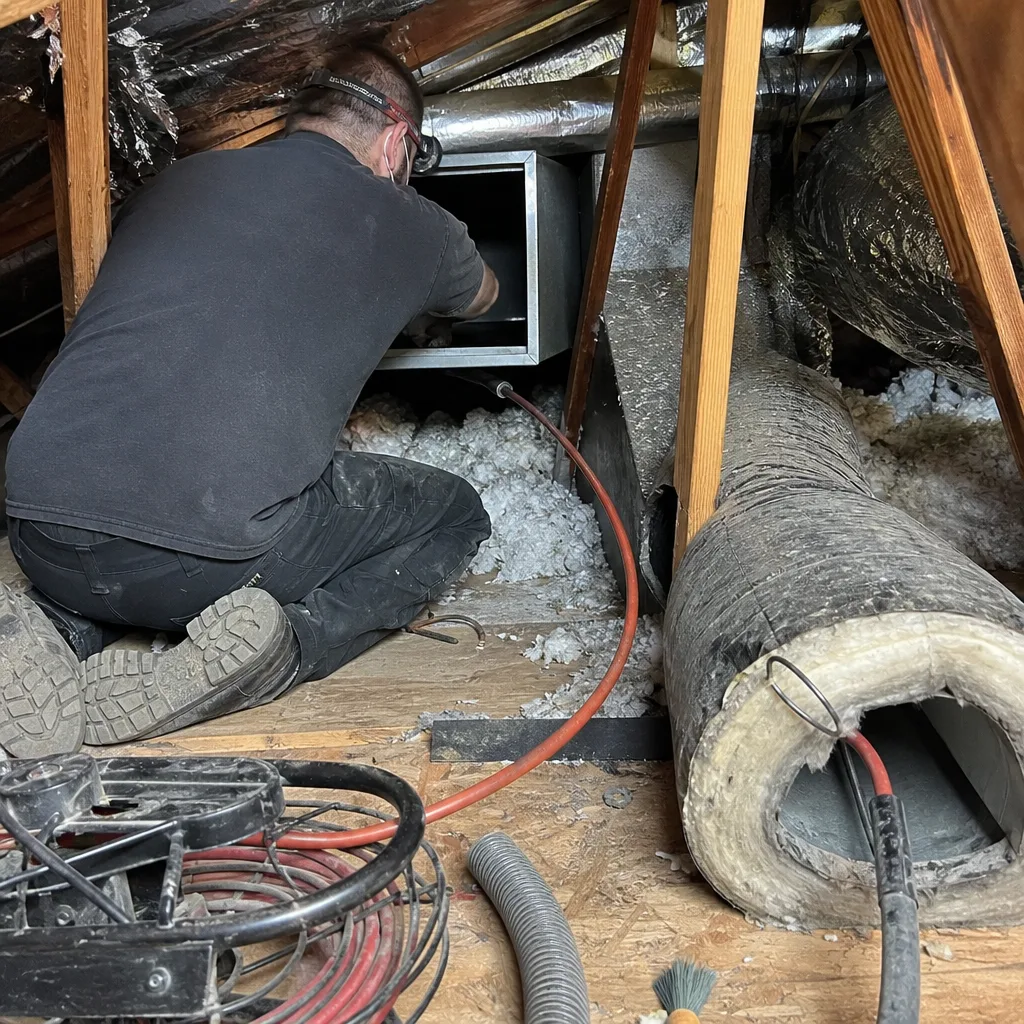 Before
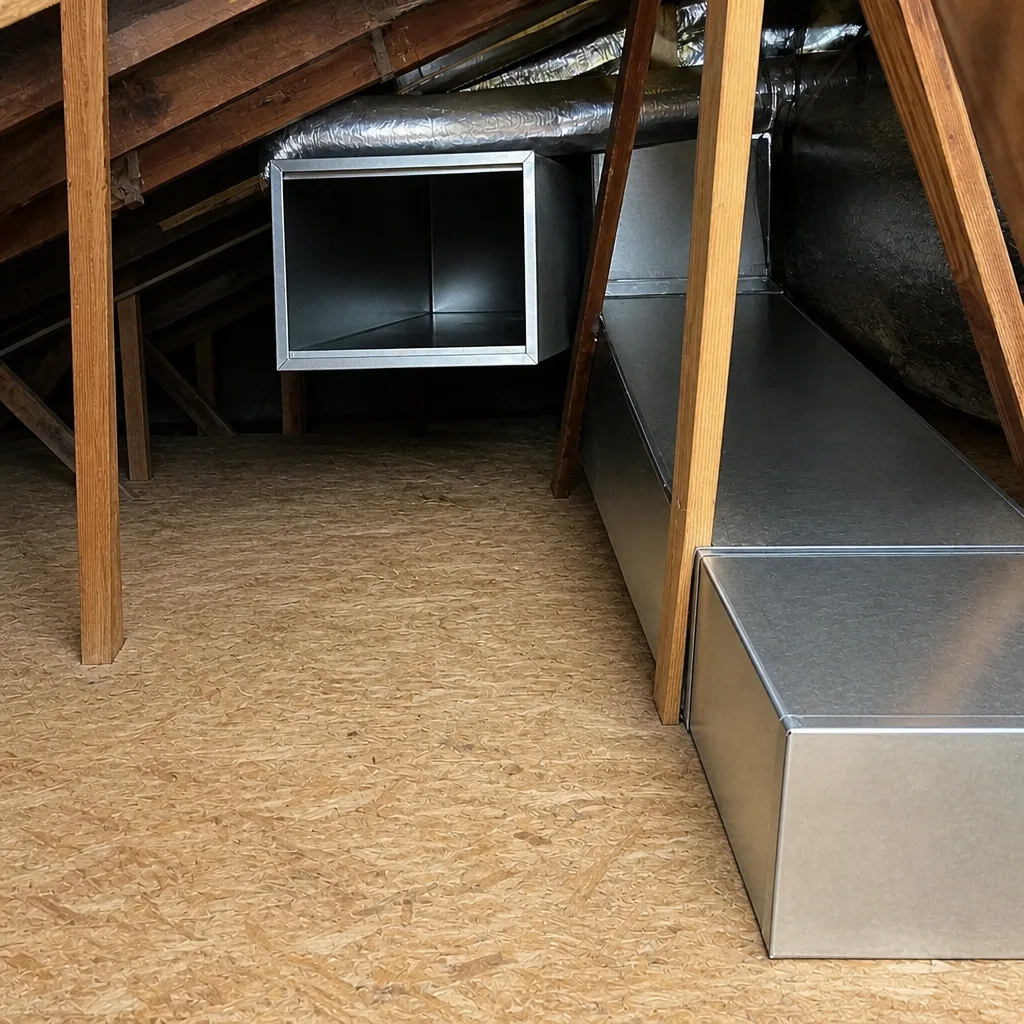 After
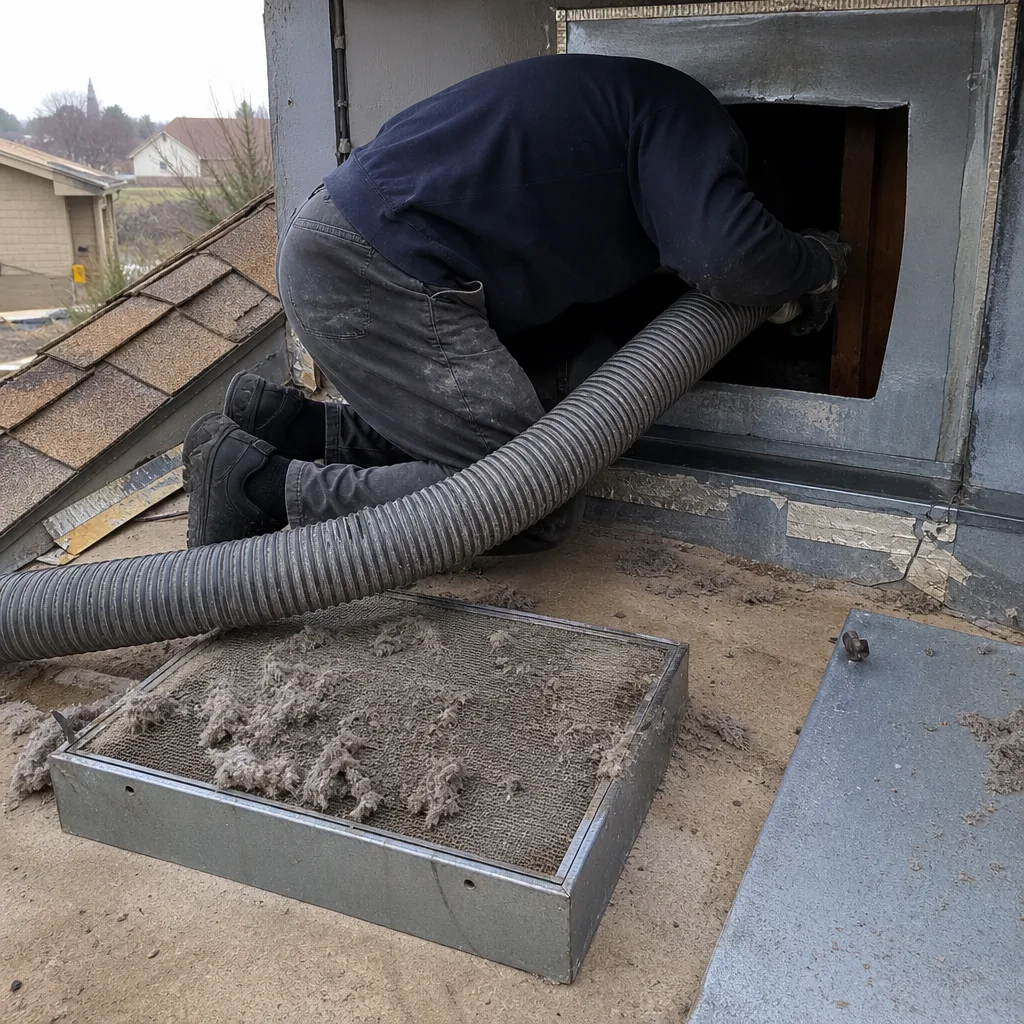 Before
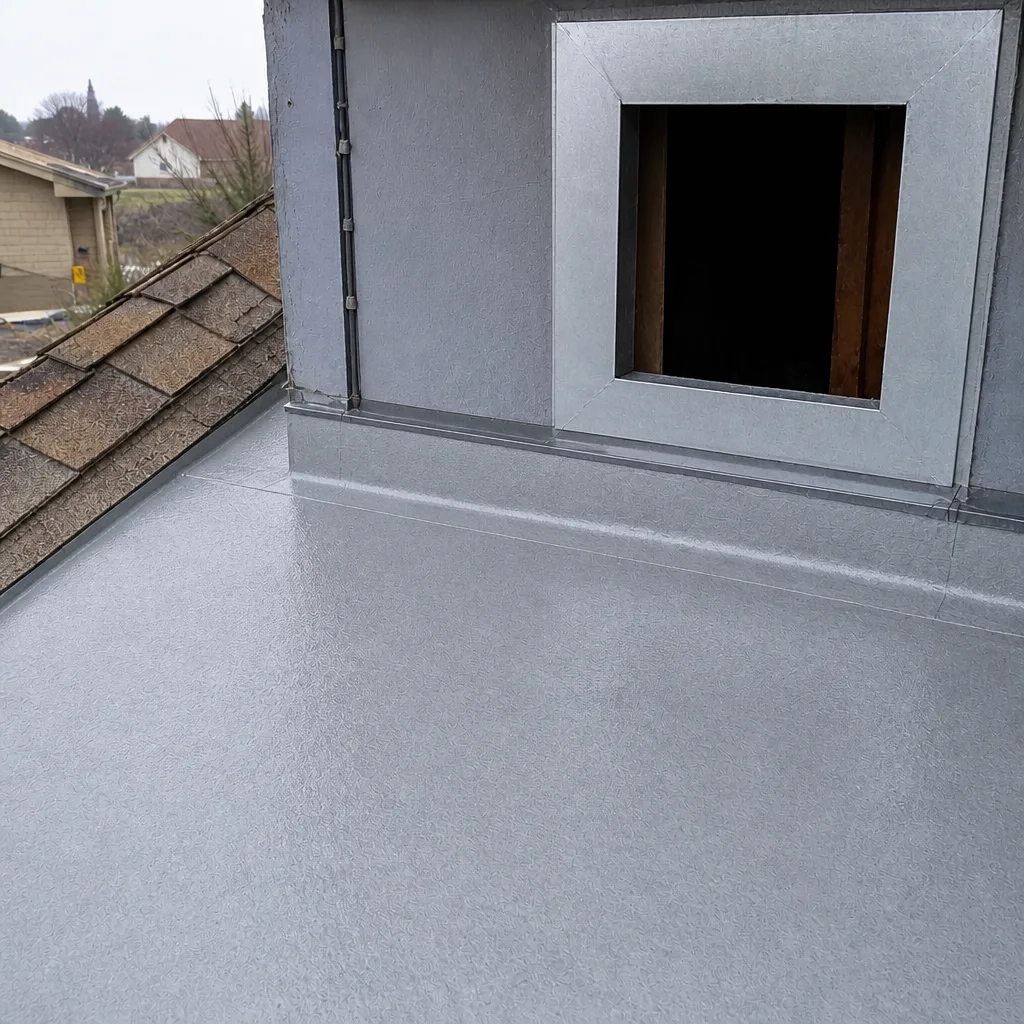 After
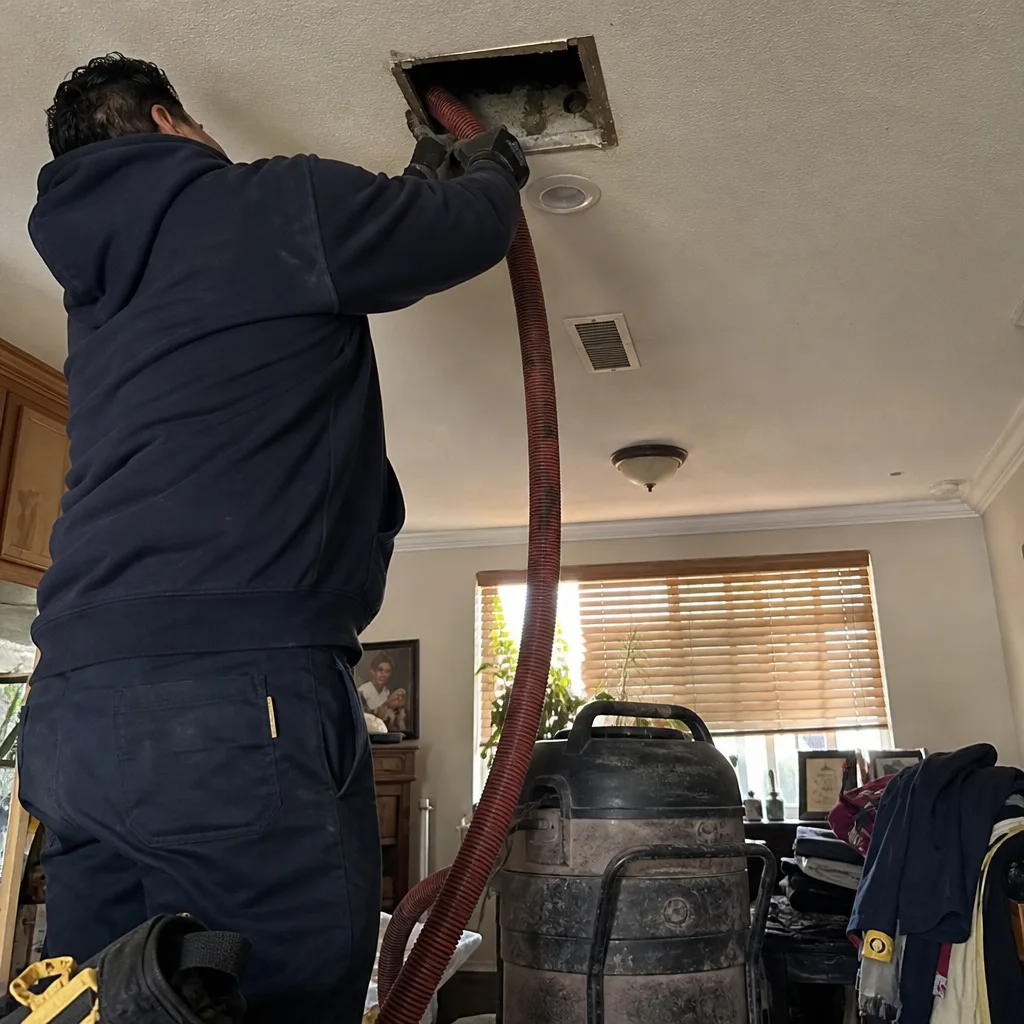 Before
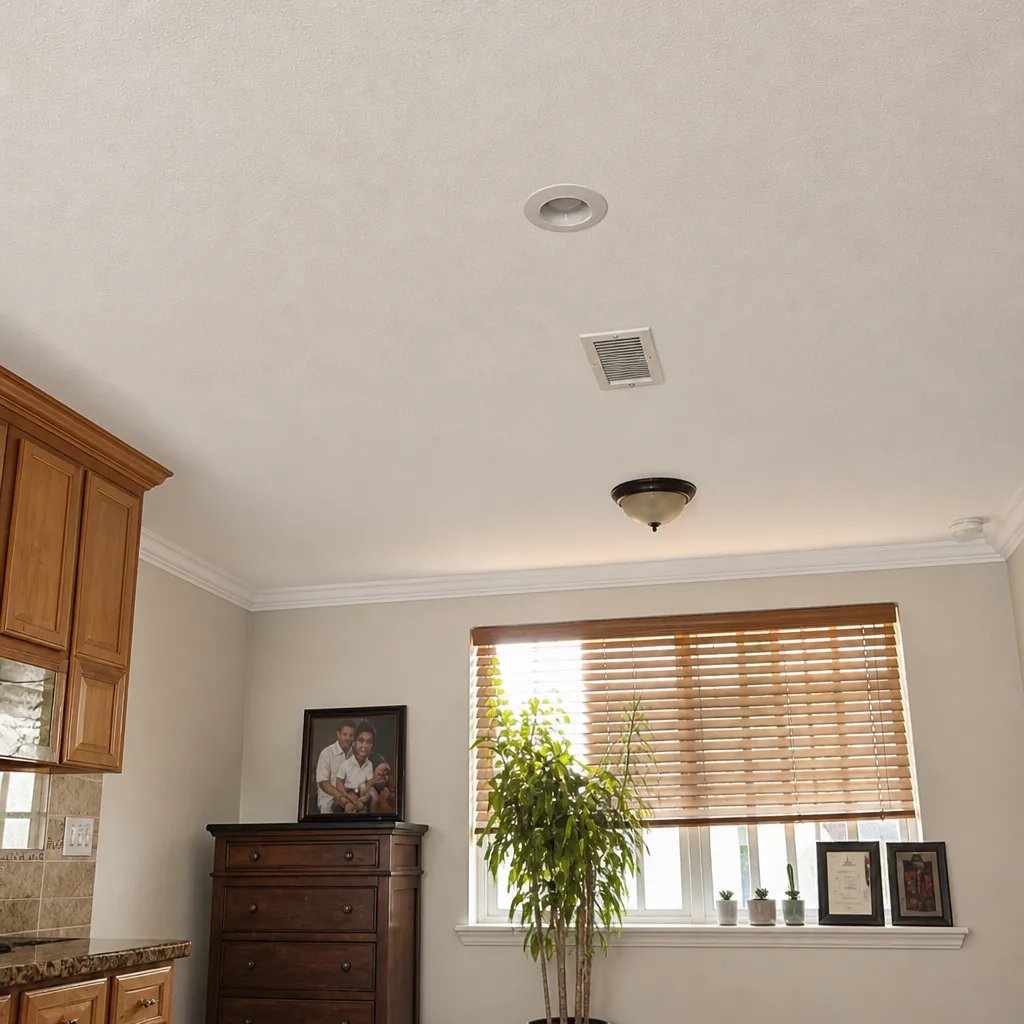 After
When to Call a Professional
Call a professional when any of these apply: one of the trigger events in this guide has occurred (renovation, rodent remediation, wildfire smoke exposure, water intrusion, new allergy diagnosis), you’ve never had the ducts inspected in the home, the last cleaning has no documentation you can point to, HVAC airflow has visibly dropped, or the dryer is taking noticeably longer to finish a load. Sustained particle odor, musty smells from registers, or visible debris inside a return grille all warrant an assessment rather than another filter change. Duct Cleaning Santa Maria offers free estimates in Santa Maria. Call (833) 630-1949. We answer 24/7. Fast dispatch from 7am to 7pm, Sunday through Friday.
Frequently Asked Questions
Most Santa Maria homes fall into a two-to-four-year cleaning interval, with the exact number driven by household profile and trigger events rather than a universal countdown. Homes with pets, recent renovation, allergy concerns, or wildfire smoke exposure trend toward the shorter end, while low-occupancy homes with good filtration and no triggers can stretch to four or five years, provided they’re inspected twice a year. The local agricultural dust and marine layer can load filters faster than inland California homes in similar condition. Call (833) 630-1949 for an assessment – estimates are free.
Pricing is set per system with a written estimate before work begins, and the final number depends on the size and layout of the system, the number of returns and branches, the condition of the ducts, and whether any repair work is needed alongside the cleaning. We don’t price per vent or offer teaser amounts. When the estimate is written, the number on it is the number you pay. Call (833) 630-1949 for a free estimate.
No. A shop vac can pull surface dust from a register, but it doesn’t have the suction or containment to clean the interior of trunk lines and branches, and it disrupts settled debris into the airstream rather than removing it. Professional systems like the Rotobrush rotary brush and Nikro HEPA extraction are designed for the interior of the duct, and Abatement Technologies negative-air equipment keeps the dust contained while the work happens. Homeowner-level work is limited to filter changes, register vacuuming, and visual inspection.
A complete visit includes containment setup, cleaning of trunk lines, branches, returns, and the air handler cabinet, before-and-after photos of the actual duct interiors, airflow readings captured before and after, written notes on duct material and condition, any breaches or repairs identified, and a recommended next interval. If you don’t receive those records at the end of the visit, the work is hard to evaluate. Call (833) 630-1949 to talk through what a visit includes.
Yes. Dryer vent cleaning belongs on a separate, shorter schedule – at least annually for typical households, more often with heavy laundry use or a long vent run. Lint buildup in the dryer vent is the leading cause of dryer fires, and the vent is out of sight behind the appliance. Treat it as a fire-safety appointment, not an add-on. Call (833) 630-1949 to book dryer vent cleaning alongside a duct visit.
Ask for photo evidence of your own ducts before and after, plus airflow readings from before and after. Photos of your ducts (not a demonstration photo, not a register from above) are the clearest signal that the interior was reached. A technician who can’t show you those should not be writing the next interval. Documented visits are how the schedule becomes data-driven rather than guesswork.
The Bottom Line
A duct cleaning schedule works when it’s built from your home, not from a flat calendar. Start with the trigger events (renovation, pets, smoke exposure, rodent activity, moisture, allergy onset) and review them seasonally. Match your household profile for the quiet years. Do the small maintenance work in between: check filters with the light test, vacuum returns, inspect registers, and keep the dryer vent on its own annual schedule. Then hold every professional visit to the same standard: photos of your ducts, airflow readings, and a written recommendation for the next interval. That’s how the schedule stays honest, and how you stop paying for cleanings you don’t need while catching the ones you do. That approach is what guides our work at Duct Cleaning Santa Maria, and it’s how we recommend our technicians approach any system. Our technicians have up to 8 years of experience and use contractor-grade equipment including Rotobrush and Nikro systems, with Abatement Technologies containment on every job.
If you’re ready to schedule a cleaning or inspection, or want a written estimate before you commit, call (833) 630-1949. We answer 24/7. Fast dispatch from 7am to 7pm, Sunday through Friday. Estimates are free, and we set one flat price per system before any work begins.
Written by the team at Duct Cleaning Santa Maria.