
Last updated November 15, 2026
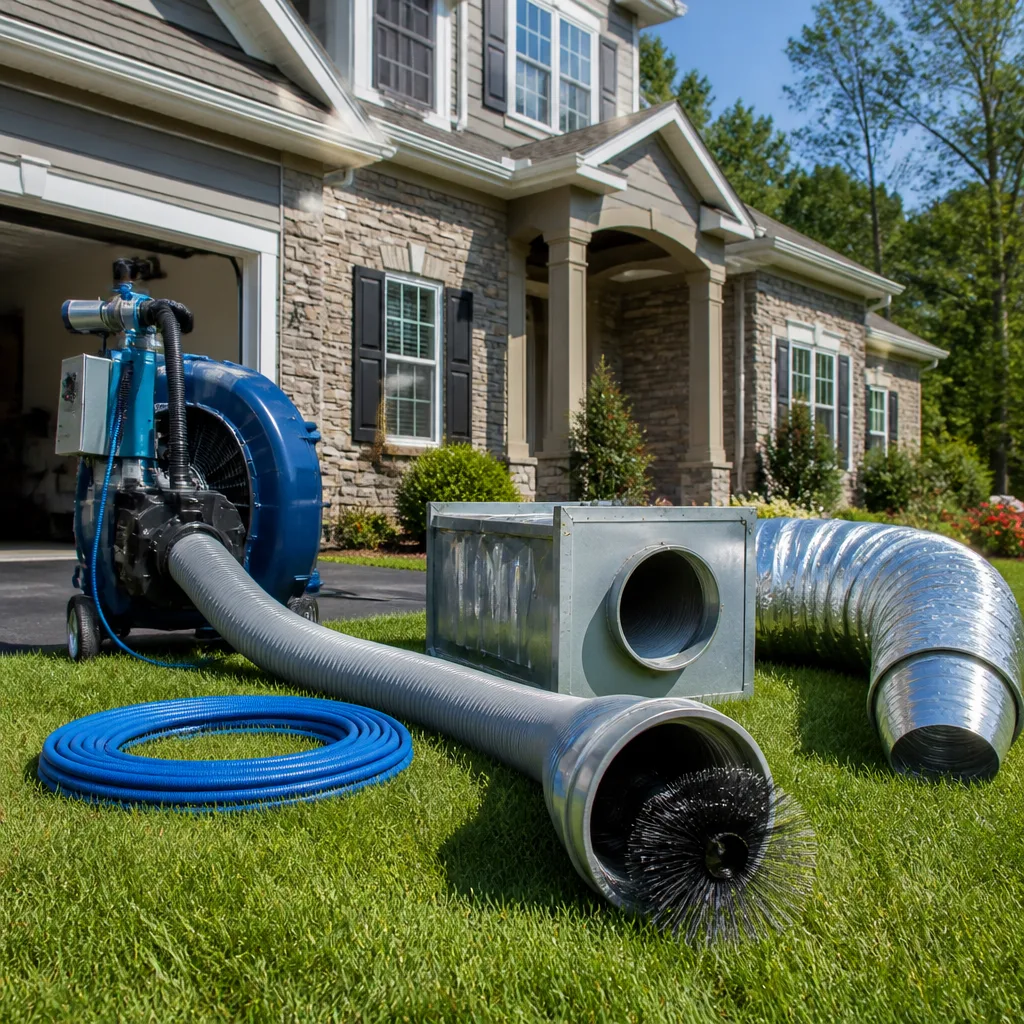 Whole-home duct cleaning
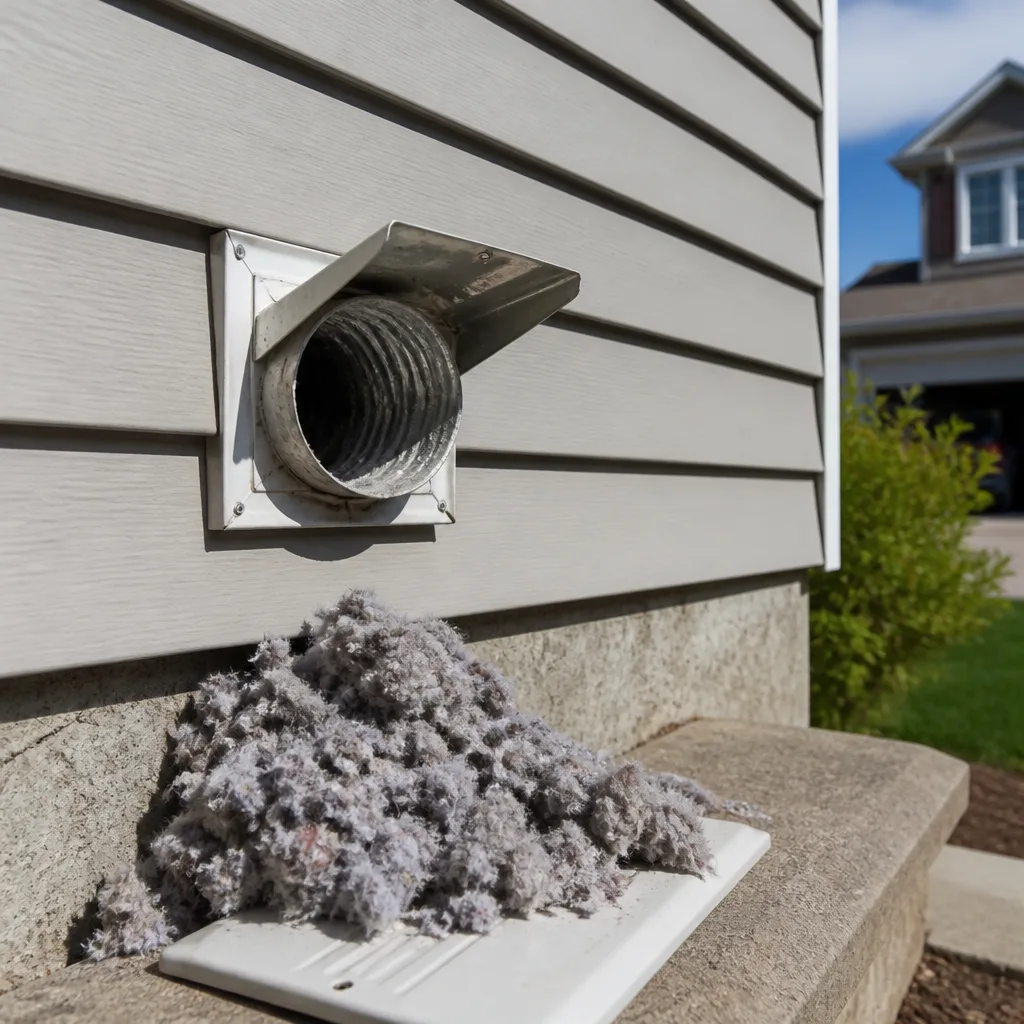 Dryer vent cleaning
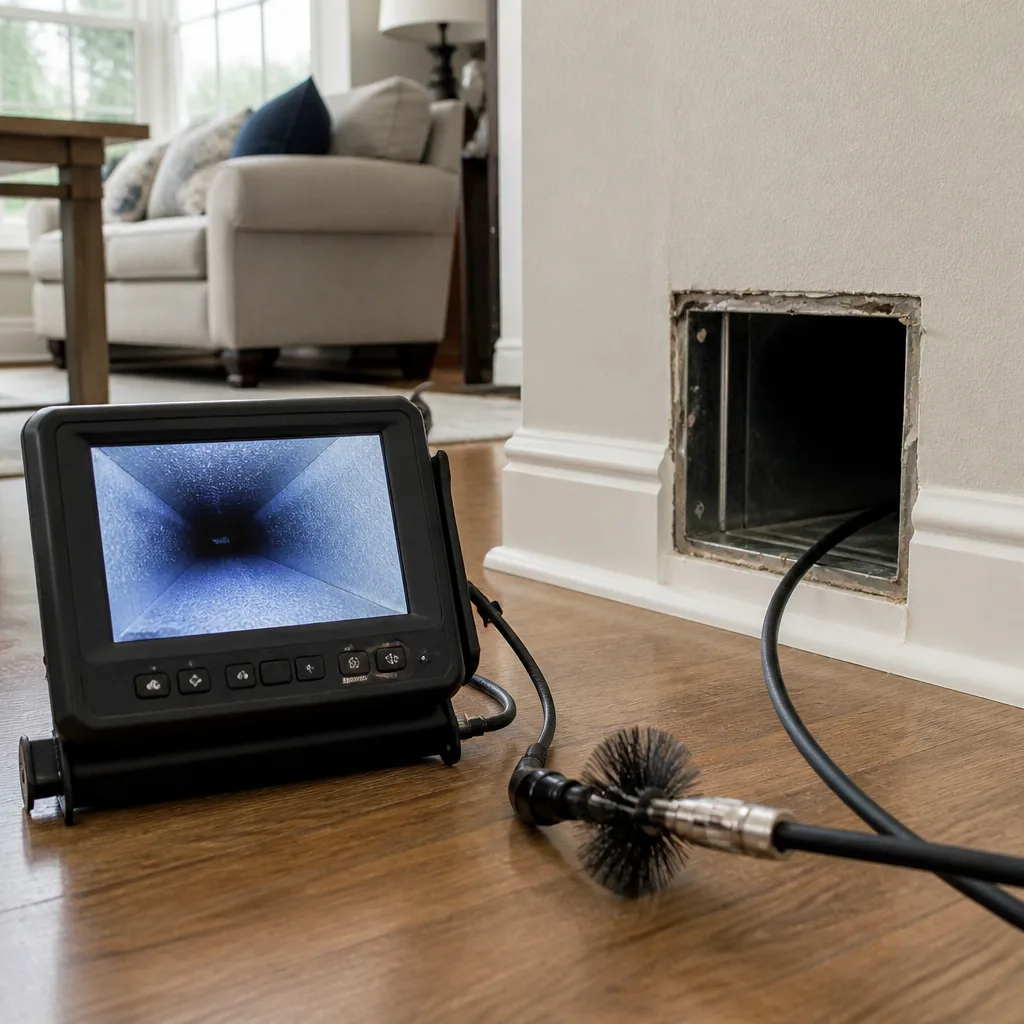 Camera inspection
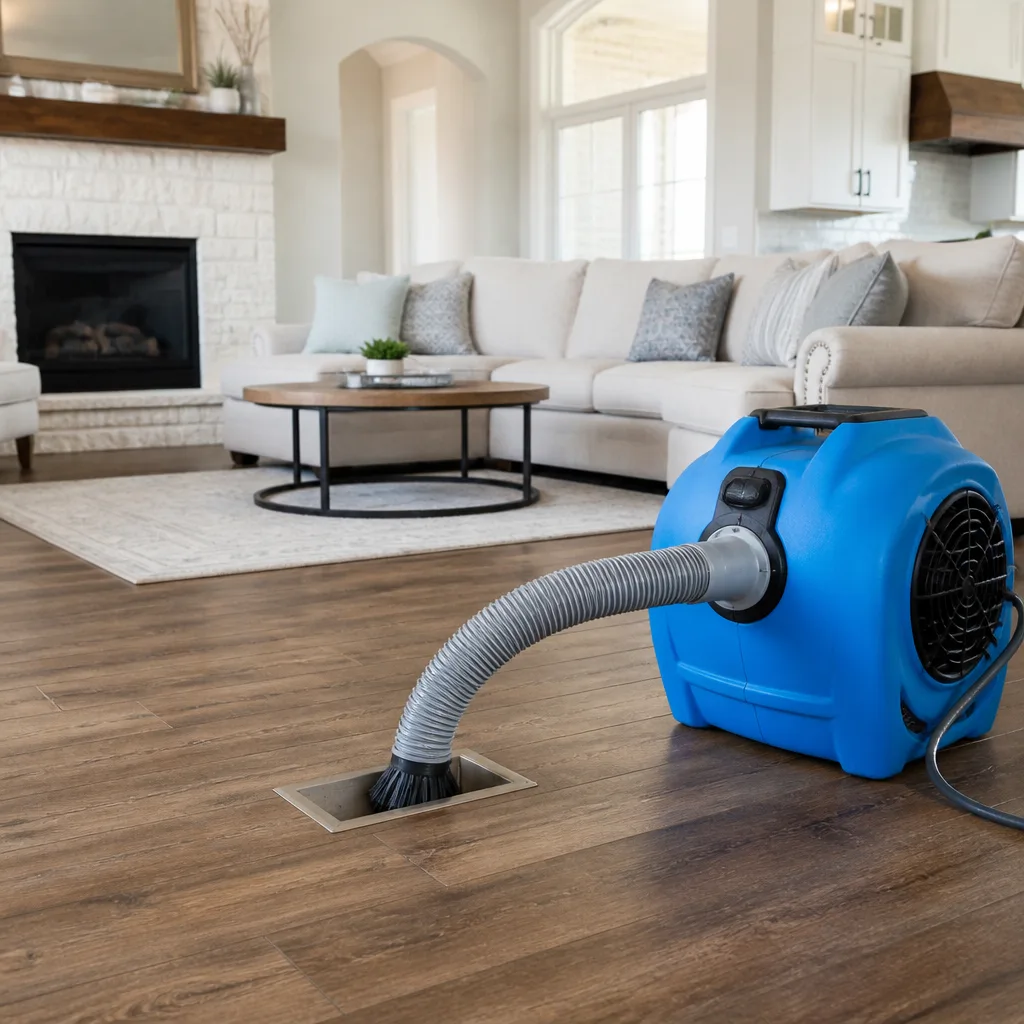 Sanitizing & deodorizing
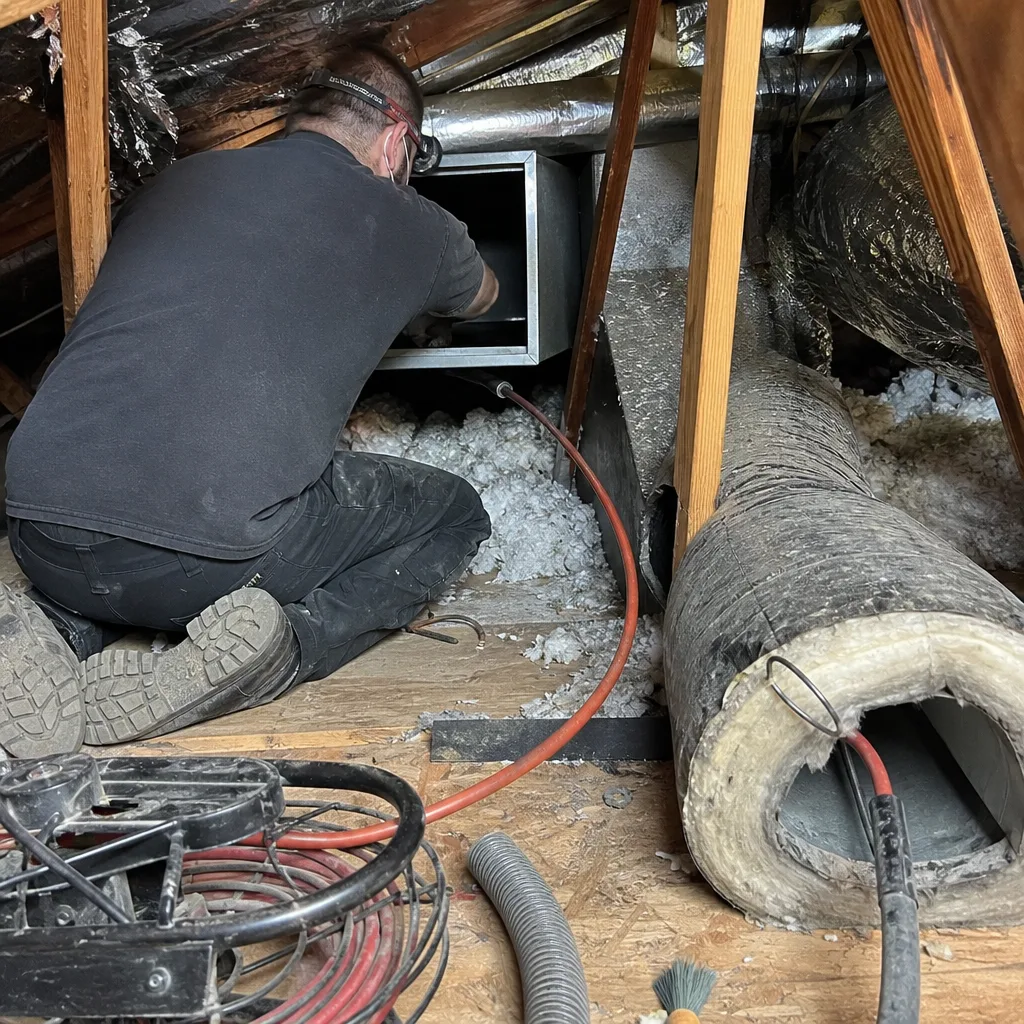
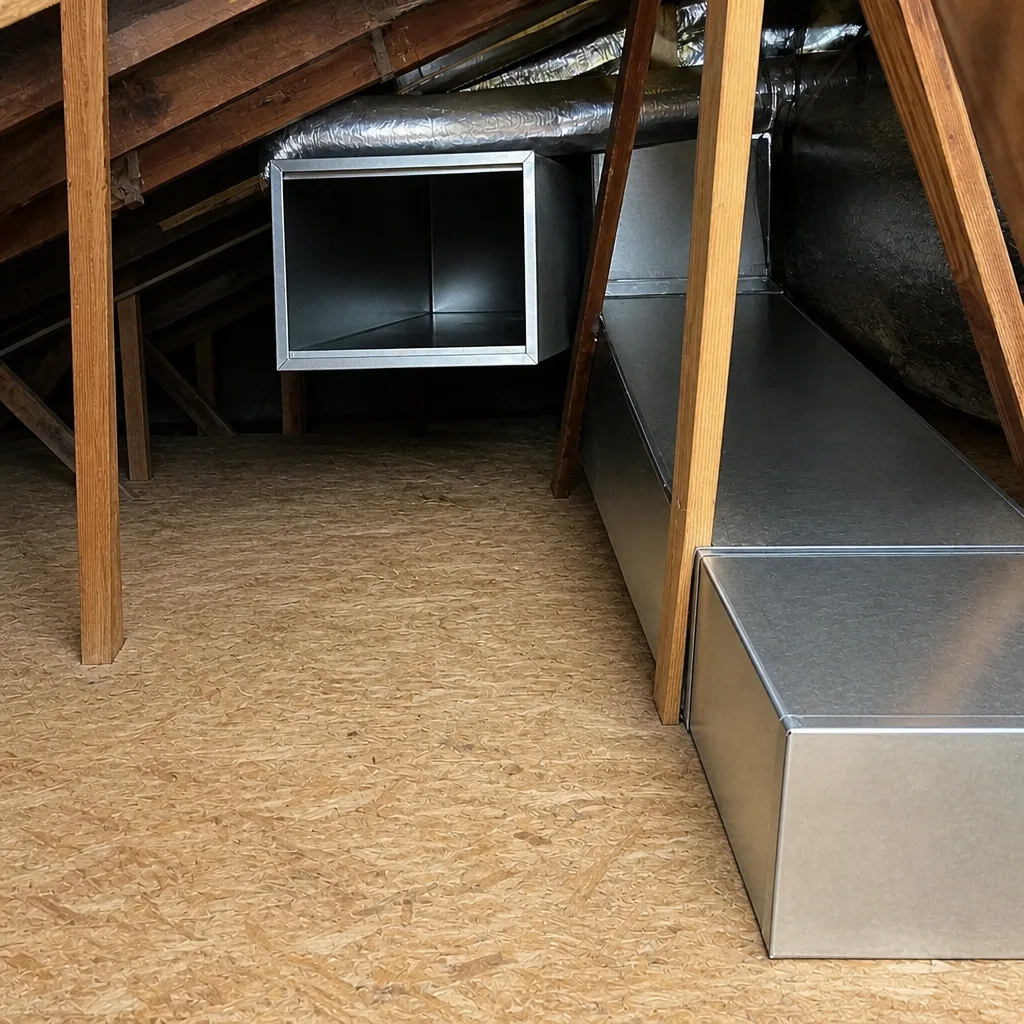
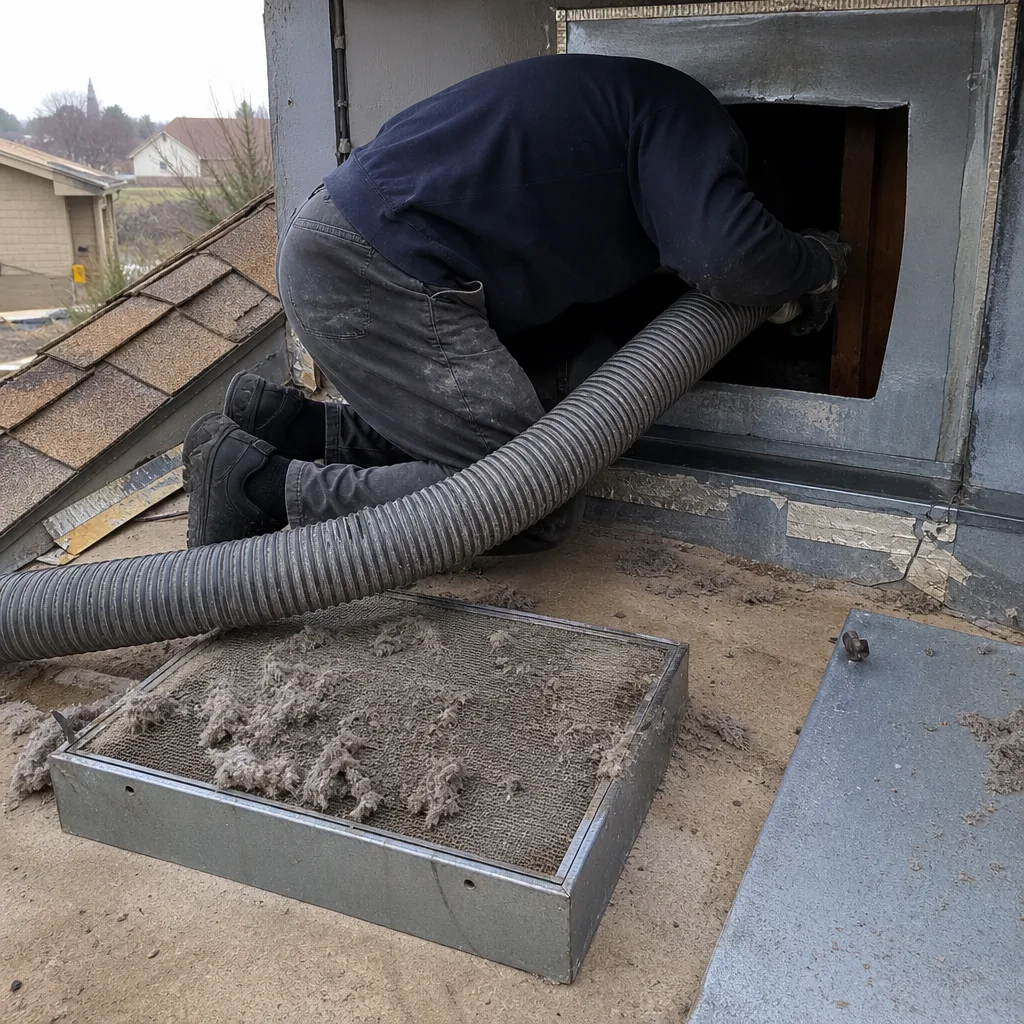
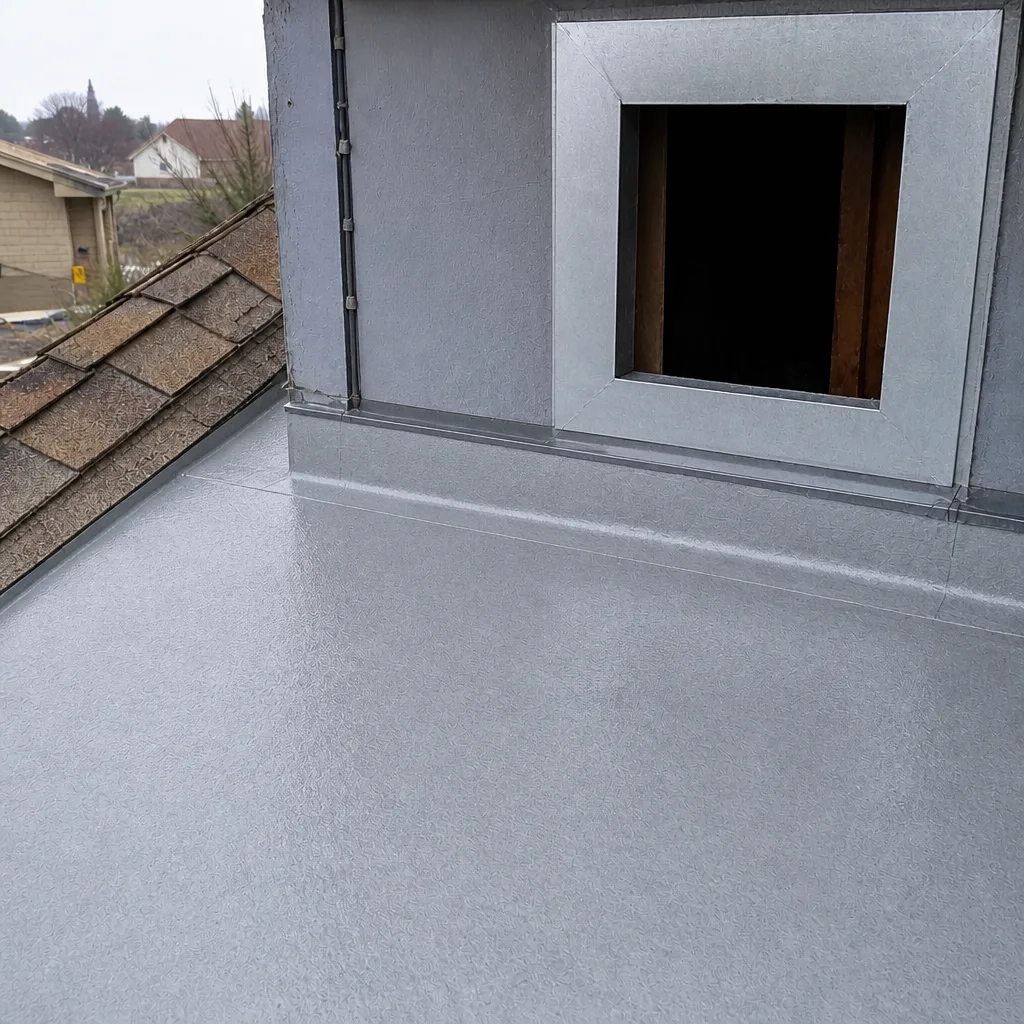
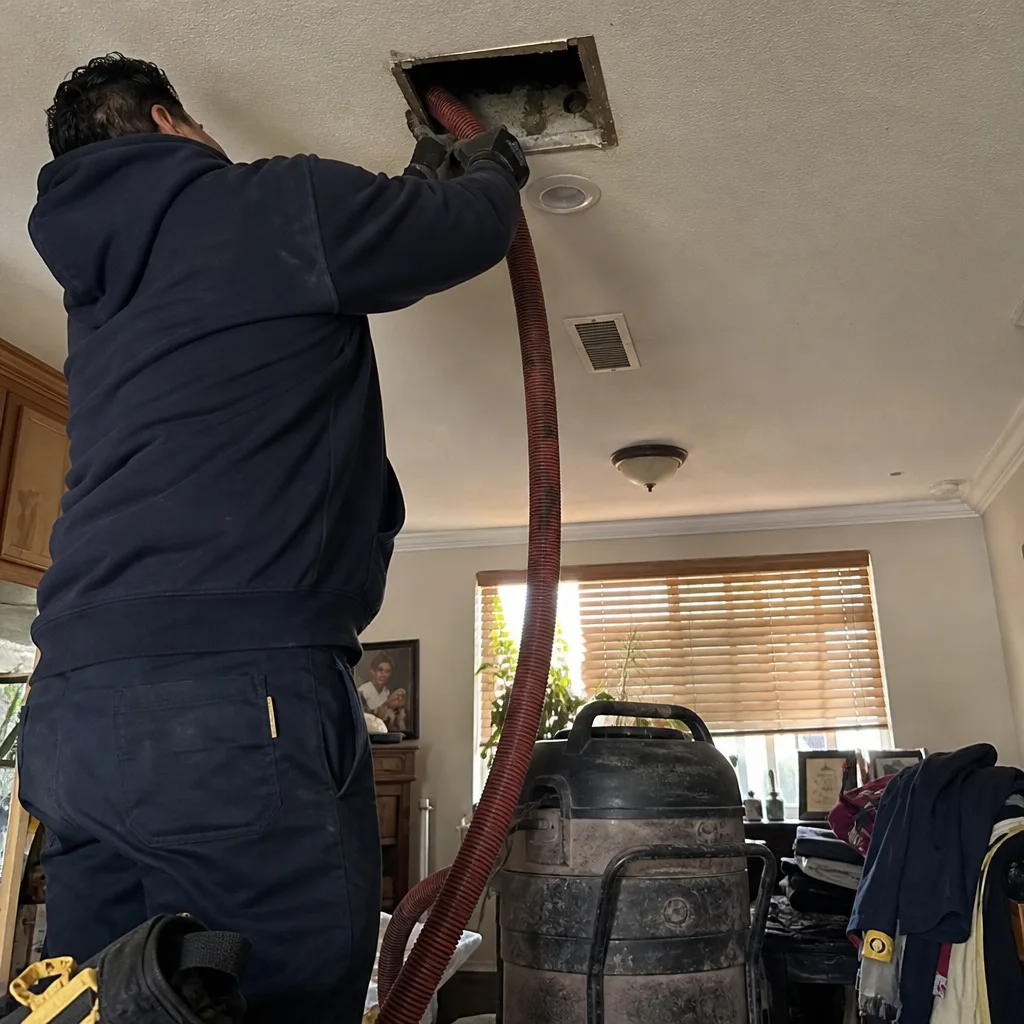
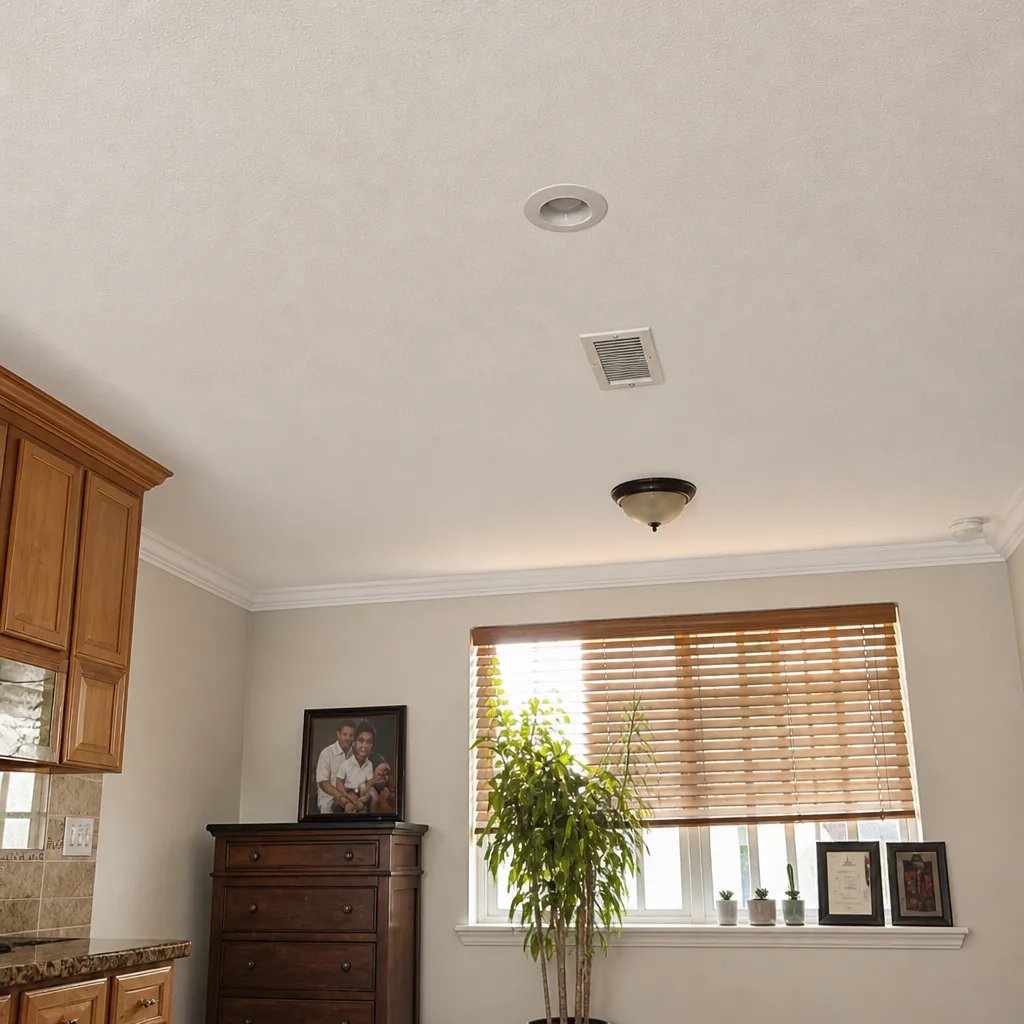
Whole-system duct and dryer vent check with before-and-after photos - you see exactly what came out of your vents
That "$99 whole-house special" is a bait ad - the real number appears once they are in your hallway, or the "clean" is a shop-vac at the register. We photograph the inside of your ducts before and after instead.
Air Duct Cleaning Cost Breakdown: The Santa Maria Homeowner’s Reference for 2026
Two quotes land in your inbox: one for $250, one for $750. It’s tempting to assume the cheaper one is the honest price and the expensive one is padding. It’s just as tempting to assume the opposite. Neither guess gets you anywhere, because the number on the page tells you almost nothing on its own – what matters is what equipment shows up, how many access points the technician cuts, and whether the plenum and air handler are actually in scope. The same job priced two different ways can be perfectly fair in both cases. This guide shows you the cost structure underneath the quotes so you can compare scope instead of bottom lines. We’ll break down per-component pricing, why contractor-grade machines cost more to run, which add-ons earn their keep, and how Santa Maria’s housing stock shifts the totals.
Quick Answer
Professional air duct cleaning in Santa Maria typically runs about $300 to $600 for a standard single-story home, with larger two-story houses or systems with multiple zones landing closer to $700 to $900. Per-component add-ons like plenum cleaning, air handler service, and dryer vent cleaning each add to the total. A quote that lands well under the low end is usually skipping something – access points, the return side, or the equipment needed to do it right – and the written estimate you receive before work begins is what sets your final price.
Styles & brands we work with
- Whole-home duct cleaning
- Dryer vent cleaning
- Camera inspection
- Sanitizing & deodorizing
Table of Contents
- What actually goes into a duct cleaning cost?
- Per-component pricing: vents, trunks, plenum, air handler
- Why the equipment determines the labor rate
- How Santa Maria’s housing stock shifts the total
- Add-ons that earn their keep – and upsells that don’t
- What a written quote should itemize
- How to compare contractors on scope, not price
- Common mistakes to avoid
- When to call a professional
- Frequently asked questions
What Actually Goes Into a Duct Cleaning Cost?
A legitimate air duct cleaning total is built from four moving parts, and only one of them is the actual blowing out of debris. The others are the things homeowners never see on the invoice – until they compare two quotes and wonder why one is three times the other.
The first part is labor: the time two technicians spend setting up containment, cutting or opening access ports, running the brush system through each branch, then doing it all in reverse to seal and inspect. A single-story home with a straightforward layout takes less of it than a two-story with a finished attic and a long trunk run. The second part is equipment: the negative-air machine and rotary-brush system that do the work cost tens of thousands of dollars to buy and maintain, and that cost is baked into the hourly rate of any contractor running professional equipment. The third part is materials: access gaskets, sealing tape, EPA-registered sanitizer when you ask for it, and any minor repair discovered along the way. The fourth part is scope decisions – how many supply runs, whether the return side is included, whether the plenum and air handler are in the job.
If a quote only names a price and nothing else, you’re looking at a number without a structure behind it, and you can’t compare it against anything. Every quote worth taking seriously should map back to a defined scope: a fixed number of vents and returns, named equipment, and stated inclusions. The estimate is free, and it should be in writing. Call (833) 630-1949 to book one. We answer 24/7. Fast dispatch from 7am to 7pm, Sunday through Friday.
One thing to understand up front: air duct cleaning is priced per system, not per vent. A contractor quoting a per-vent rate is doing it because it’s easier to advertise a low number and then multiply it thirty times once the truck is on site.
Per-Component Pricing: Vents, Trunks, Plenum, Air Handler
Here’s where the estimate starts to make sense. Each part of the system takes a different amount of time, so each contributes a different slice of the total. These are typical estimated ranges for the Santa Maria area in 2026; your written estimate sets the final price.
| Component | Typical added cost | What it involves |
|---|---|---|
| Supply vents (per run) | $10-$20 each, usually bundled | Brushing and HEPA-extracting one branch run from the trunk to the register |
| Return vents and return trunk | $60-$150 | The return side carries the bulk of the dust; often skipped by low quotes |
| Main supply trunk | $80-$200 | Larger-diameter run, more time per linear foot with the brush system |
| Plenum cleaning | $75-$150 | The box where the system transitions from air handler to trunk; collects debris |
| Air handler cleaning | $100-$200 | Blower compartment, coil face, and cabinet interior – requires care around electrical components |
| Access port creation | $15-$35 per port | Some systems have no practical access; ports must be cut and later sealed |
| Dryer vent cleaning | $100-$200 | Separate dedicated service; see below |
Read the table again and notice what’s missing from most discount quotes: the return side, the plenum, and the air handler. A $250 quote that covers fifteen supply vents and nothing else is roughly $16 a vent – which is plausible, and also a partial job. The dust you’re trying to remove mostly lives in the return trunk and the plenum, because that’s where airflow slows and particles drop out. Cleaning the supply branches while leaving the return and plenum untouched is a surface wipe-down dressed up as a full service.
Larger homes shift the balance. A two-story Santa Maria house with two separate HVAC systems is really two jobs, and the per-component total roughly doubles. A single-story ranch with one system sits at the low end. The number of access ports matters too: some homes have none and the technician has to create them, which adds time on both ends of the job.
Why the Equipment Determines the Labor Rate
A shop-vac with a long hose will pull loose dust out of a register. It won’t move the compacted debris in the trunk, and it won’t hold a negative-pressure seal on the system while the brush runs. That’s the whole difference between a $250 quote and a $750 quote, and it’s mostly invisible to the homeowner – which is exactly why it’s worth understanding.
Professional duct cleaning uses two machines working together. A negative-air unit – the kind of equipment used in containment and remediation work, like Abatement Technologies systems – seals the system under vacuum so loosened debris is captured instead of blown back into the living space. A rotary-brush system, like a Rotobrush unit, feeds an air-driven brush through each branch from the trunk, which is the only reliable way to contact the full inner circumference of a flexible run. Nikro HEPA extraction handles the fine dust the negative-air machine pulls out, holding it in a filtered container instead of recirculating it.
Why does this raise the rate? Several reasons, all of them legitimate:
- Capital cost. Professional-grade equipment runs into five figures to buy and requires ongoing maintenance and filter replacement.
- Labor per job. Two technicians are the minimum for a proper setup; one runs the brush, one manages containment and the vacuum side.
- Time. A proper cleaning on a standard home takes several hours, not the forty minutes a surface-blast job requires.
- Accountability. Contractor-grade work can be documented with before-and-after photos of your own ducts. Shop-vac work can’t, because there’s nothing to photograph.
What that buys you is real: a system that’s been contacted end to end, debris captured rather than redistributed, and finished work held to a Guardsman-level standard of quality. What it doesn’t buy you is a guarantee that any particular contractor is doing it. Verify the equipment names in writing before you book. If a quote doesn’t say what machine is coming into your home, ask.
How Santa Maria’s Housing Stock Shifts the Total
Duct systems across Santa Maria are not all built the same, and the housing mix changes what a job costs. Walk through a few neighborhoods and the differences show up fast.
Home size. A single-story house on a standard lot runs one system and sits at the low end of the range. Two-story homes with a second system in the attic, or additions that added a second zone, roughly double the component total. Square footage matters less than the number of systems and the length of the runs.
Duct system age. Older flex duct can sag, kink, or separate at the joints, which slows airflow and lets dust settle in places the brush can’t reach without extra access. A system that’s been through years of attic heat also has dryer, more brittle ductwork, so the technician works more carefully and that takes time. This is where professional duct cleaning alone stops being enough and air duct repair enters the picture – a separated joint or a torn flex section needs to be sealed, not just blasted out.
Duct material. Flex duct is the most common in this area and cleans efficiently with a rotary brush, but the corrugations trap debris and it can tear if handled roughly. Sheet metal trunk lines are smooth and clean quickly, though joints and seams can develop leaks. Duct board – rigid fiberglass board with a foil face – needs gentler handling because the interior surface can be damaged by an aggressive brush, and any damage becomes a permanent filtration problem. Duct board systems cost more to clean because the technician has to be more careful, not because the work is more thorough.
Attic access and layout. Most of Santa Maria’s ductwork runs through the attic, where summer heat makes the workspace uncomfortable and access tightens. A home with a clear attic walkway and generous hatch cleans faster than one where the technician has to crawl over insulation to reach the far end of the trunk. That difference shows up in the labor line.
Return-side complexity. Some homes have a single return grille; others have two or three, or a return plenum tucked into a closet. Each return adds time and, in the estimate, a line item.
Add-Ons That Earn Their Keep – and Upsells That Don’t
The add-on menu is where honest contractors and bait-and-switch operators part company. Some of these services genuinely extend the value of the cleaning. Others exist because they’re profitable, not because your ducts need them.
Legitimate add-ons
- Duct sealing. If the cleaning reveals separated joints or torn flex sections, sealing them keeps the system balanced and stops conditioned air from leaking into the attic. This is real repair work, and it’s priced separately because it’s not cleaning. It’s the reason a full-service duct company should offer air duct repair alongside cleaning – blowing out debris and leaving the breach intact doesn’t solve anything.
- Sanitizing with EPA-registered products. Worth it after a mold finding, a rodent issue, or a long period of neglect. Not worth it as a routine add-on during every cleaning. Ask what product and why before agreeing.
- Dryer vent cleaning. A genuinely important separate service – lint buildup is the leading cause of dryer fires, and most duct cleaners treat it as an afterthought. A dedicated dryer vent cleaning runs $100 to $200 and is worth every dollar of it. Book it alongside the duct cleaning and it’s one visit instead of two.
- Air-quality equipment installation. If the cleaning reveals chronic particulate issues, a whole-home filtration system from Honeywell or Aprilaire can help long term. This is a hardware investment, not a cleaning add-on, and it should be presented with a clear explanation of what it does.
Add-ons that rarely justify the cost
- “Anti-microbial fogging” on every job. If there’s no mold finding, there’s nothing to fog. Ask for the test result first.
- Per-vent counting on a system that was already quoted as a flat job. If you agreed to a flat price per system, the vent count shouldn’t reappear as a line item at the end.
- UV lights sold as a cure for dust. They address biological growth on the coil, not dust in the ducts. Different problems.
- “Enzyme treatments” without a diagnosis. Legitimate remediation starts with identifying what’s actually growing or accumulating, not with applying a product.
What a Written Quote Should Itemize
The written estimate is the single most useful document in this whole process, and most homeowners don’t read it closely enough. Here’s what a proper one should contain, in the order it should appear:
- Number of supply vents and returns included. Both numbers, separately. Not “up to 20 vents” – the actual count for your home.
- Whether the main trunk is in scope. Some quotes cover branch runs only. The trunk is where a lot of the debris lives.
- Whether the plenum is in scope. If it’s not named, it’s not included.
- Whether the air handler is in scope. This one is often a paid add-on and should be priced up front.
- Access port plan. How many will be needed, where, and how they’ll be sealed after.
- Equipment named. The specific machine brand and model family. Rotobrush, Nikro, and Abatement Technologies names on a quote tell you what’s actually coming into your home.
- Add-ons priced separately. Dryer vent, sanitizing, sealing, air handler – each on its own line, not bundled into an opaque total.
- Before-and-after photos included as part of the deliverable. Not as a courtesy – as part of the job.
- One flat price per system. The total doesn’t change once the technician is on site, unless you agree to an add-on in writing.
Any quote missing more than one or two of those items isn’t a real quote. It’s a number with a promise attached. Ask for the missing details before you compare prices, because you’re not actually comparing the same job until the scope lines up.
How to Compare Contractors on Scope, Not Price
Side-by-side comparison becomes easy once both quotes itemize the same things. Until then, you’re comparing apples to a different number of apples.
Start by lining up the supply vent counts. If one quote covers twelve and the other covers twenty, the difference in price is explained before you even look at equipment. Next, check the return side on both: if one includes the return trunk and the other doesn’t, the cheaper quote is a partial job. Then check the plenum and air handler – these are the two most commonly skipped components on a discount quote, and they’re also two of the most impactful. Finally, look at access ports. A quote that assumes twenty pre-existing ports will need to cut new ones if they don’t exist, and that cost lands as a surprise or gets skipped.
Once scope lines up, equipment becomes the deciding factor. A quote naming Rotobrush and Nikro equipment is quoting a different class of work than a quote naming a shop-vac. Both can produce a clean-looking register; only one is doing the job. And a quote that specifies Abatement Technologies-style containment tools is telling you the technician plans to keep your house dust-free while the work is happening, not just the ducts.
Here’s the honest bottom line on comparison: a $750 quote with the return, plenum, and air handler included, professional equipment, and before-and-after photos is a fair price. A $750 quote that only covers supply vents is overpriced. A $250 quote that covers supply vents only is a partial job fairly priced – and you can’t tell which you received without the itemization. That’s why the written estimate matters more than the bottom line ever will.
Common Mistakes to Avoid
- Comparing quotes without comparing scope. A $400 quote covering twelve supply vents is not the same job as a $600 quote covering twelve supply vents, twelve returns, the plenum, and the air handler. Line up the components first, then the price.
- Accepting a per-vent rate as a final price. A low per-vent number multiplied across twenty or thirty vents lands nowhere near the teaser. Ask for a flat price per system in writing before you book.
- Skipping the return side to save money. The return trunk is where most of the dust accumulates, because airflow slows there and particles drop out. Cleaning the supply branches alone leaves the bulk of the problem in place.
- Believing the shop-vac is the same as a rotary brush. It isn’t, and any technician who says otherwise is signaling what equipment they’ll actually bring. Ask what machine is being used before they arrive.
- Adding sanitizing without a finding. Fogging every duct on every job is a revenue line, not a health measure. Ask for the evidence of what’s growing before agreeing to treat it.
- Ignoring the dryer vent. Lint buildup is the leading cause of dryer fires, and most duct cleaners treat the dryer vent as an optional extra. If your duct cleaning is the first in years, book the dryer vent on the same visit.
- Not checking for duct repair. A cleaning that reveals a separated joint or torn flex section shouldn’t end with the technician shaking their head and driving off. The same visit should be able to quote and, where practical, complete the repair – which is exactly why a full-service duct provider matters here in Santa Maria.
- Not asking for before-and-after photos. The single easiest proof that the work was done is a photo of your own ducts before and after. Any contractor who can’t provide that is telling you something about the equipment they used.
When to Call a Professional
Not every duct system needs cleaning on the same schedule, and not every dusty house needs a full scope. The clearest signals to call are these: you’ve had the system running hard through a Santa Maria summer and the energy bills have crept up without explanation; someone in the household has developed allergy symptoms that get worse indoors; you’ve just bought a home and don’t know when the ducts were last cleaned; you’ve had recent renovation work that stirred drywall dust and sawdust into the returns; you can see visible dust plumes coming from a register; or the system is old enough that flex duct joints may have separated. Dryer vent cleaning is worth booking on its own schedule regardless – it defends against a fire risk, not just a dust one.
Duct Cleaning Santa Maria offers free estimates in Santa Maria – call (833) 630-1949. We’ll walk the system, write a scope, and price it per system before any work starts. We answer 24/7. Fast dispatch from 7am to 7pm, Sunday through Friday.
Frequently Asked Questions
Most Santa Maria homes land between $300 and $600 for a full single-system job, with two-story homes or multi-zone systems closer to $700 to $900. That range assumes the return trunk, plenum, and air handler are included alongside the supply runs, and it assumes professional equipment. If a quote comes in well under the low end, check which components are missing. Call (833) 630-1949 for an exact quote – estimates are free.
Cheaper quotes are almost always cheaper because they cover less: supply vents only, no return side, no plenum, no air handler, and consumer-grade equipment rather than a rotary-brush system with HEPA extraction. A $99 teaser price on a coupon typically becomes a much larger invoice once the technician walks the system and adds the missing components. One flat price per system, agreed in writing before work starts, is the way to avoid that whole dynamic. Call (833) 630-1949 for a written estimate you can compare line by line.
Ask for before-and-after photos of your own ducts, taken during the job, as part of the deliverable. Photos are the most reliable proof because a shop-vac can make a register look clean without touching the trunk. Professional equipment also leaves visible evidence – access ports get cut and properly sealed, ceiling vents get re-set with new gaskets, and the containment materials used during the job are the giveaway. Every job should include photo documentation. Call (833) 630-1949 to schedule.
For most homes, every three to five years is reasonable, and some well-maintained systems can go longer. More frequent cleaning makes sense if you have pets, allergy sufferers in the house, recent renovation work, or a system with known leaks that lets dust in. The dryer vent is a different schedule – it should be cleaned every one to two years because lint buildup is the leading cause of dryer fires, regardless of the duct schedule. Call (833) 630-1949 for a free estimate and a recommended schedule for your home.
Yes, both do. A single-system home runs less than a two-story with two systems, because the second system is effectively a second job. Duct material matters too: flex duct cleans efficiently but the corrugations trap debris, sheet metal cleans faster, and duct board needs more careful handling because the interior surface is easily damaged. Homes with no existing access ports also cost more, because the technician has to cut and seal them. Call (833) 630-1949 and describe your system – we’ll quote it accurately.
Both. Duct cleaning and air duct repair go together on the same visit – separated joints, torn flex sections, and gaps at the plenum are common findings once the system is open, and leaving them in place undoes much of the value of the cleaning. Fixing them stops air leaks and keeps the system balanced. We also install and service Honeywell and Aprilaire air-quality products when a cleaning reveals a filtration issue worth addressing. Call (833) 630-1949 for a free estimate and a scope that covers both.
The Bottom Line
The price of duct cleaning in Santa Maria is a product of scope and equipment, not a magic number. A fair quote names the supply vents, the returns, the plenum, and the air handler. It names the equipment – rotary brush, HEPA extraction, containment tools. It prices every add-on separately and commits to one flat price per system. When two quotes line up on all of those, the difference in price is honest. When they don’t, the cheaper quote usually isn’t cheaper – it’s just a smaller job. Get the written estimate, read the line items, and compare scope before you compare dollars. That single habit is what separates a $750 quote that’s fair from a $750 quote that isn’t – and it’s what protects you from a $99 teaser every time.
If you’d like your own system walked and quoted in writing, duct cleaning Santa Maria homeowners rely on for a scope they can actually compare, call (833) 630-1949. We answer 24/7. Fast dispatch from 7am to 7pm, Sunday through Friday. Or explore dryer vent cleaning if you’d like to tackle that fire risk on the same visit.
Written by the team at Duct Cleaning Santa Maria.
See the difference
 Before
 After
 Before
 After
 Before
 After