
Last updated November 15, 2026
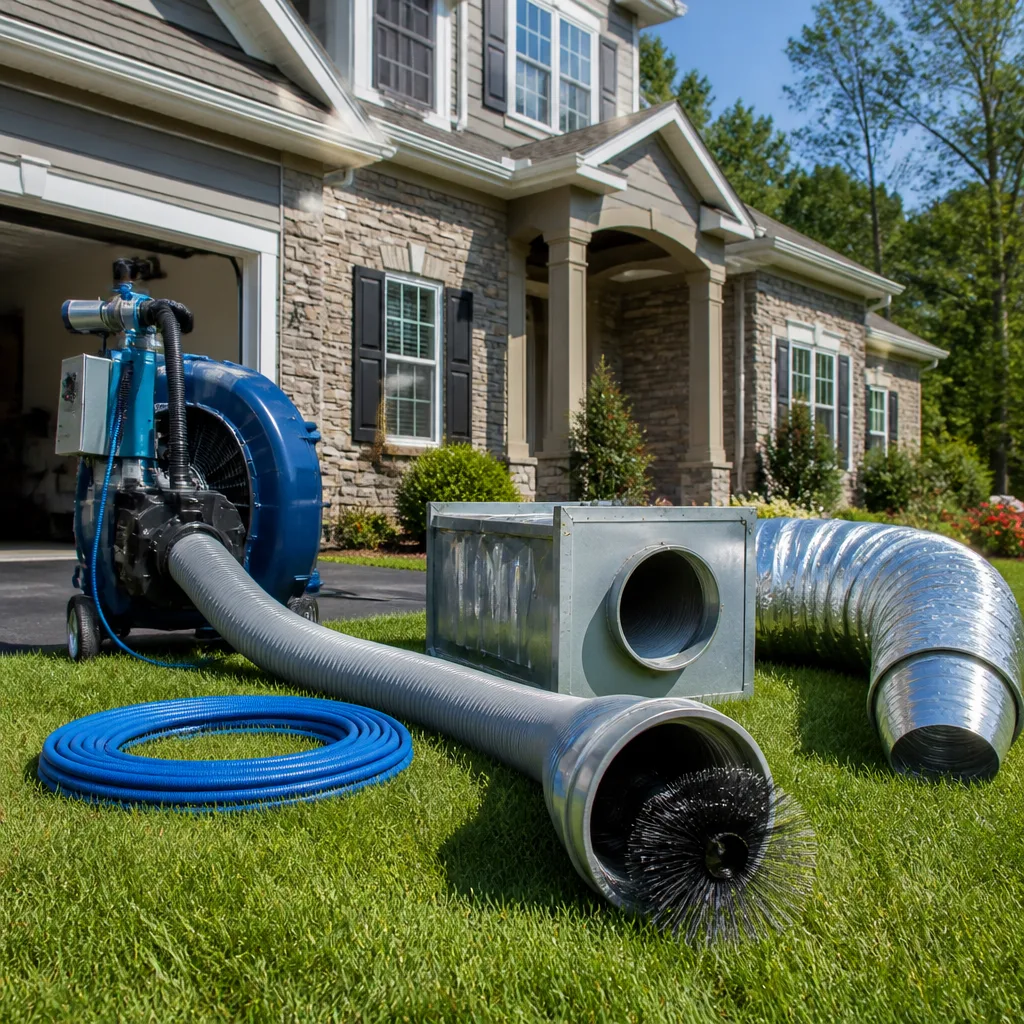 Whole-home duct cleaning
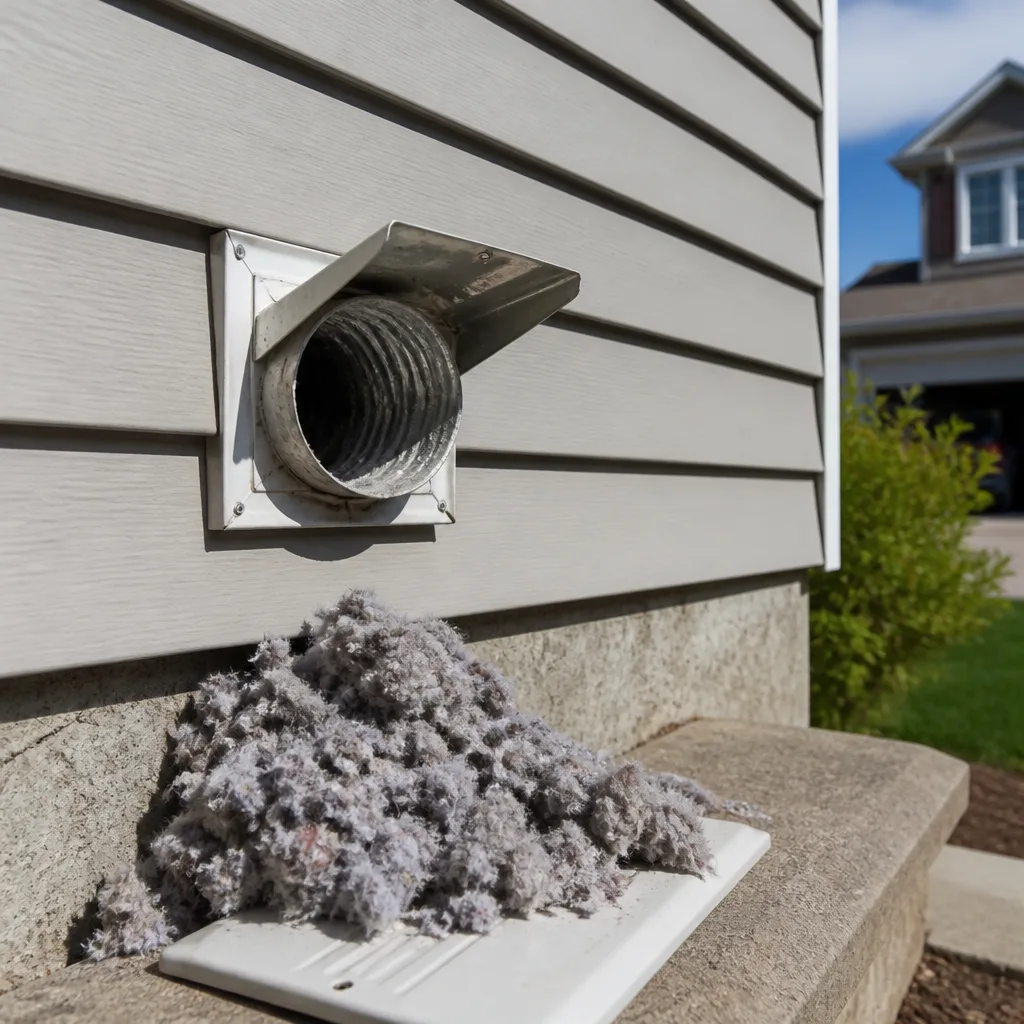 Dryer vent cleaning
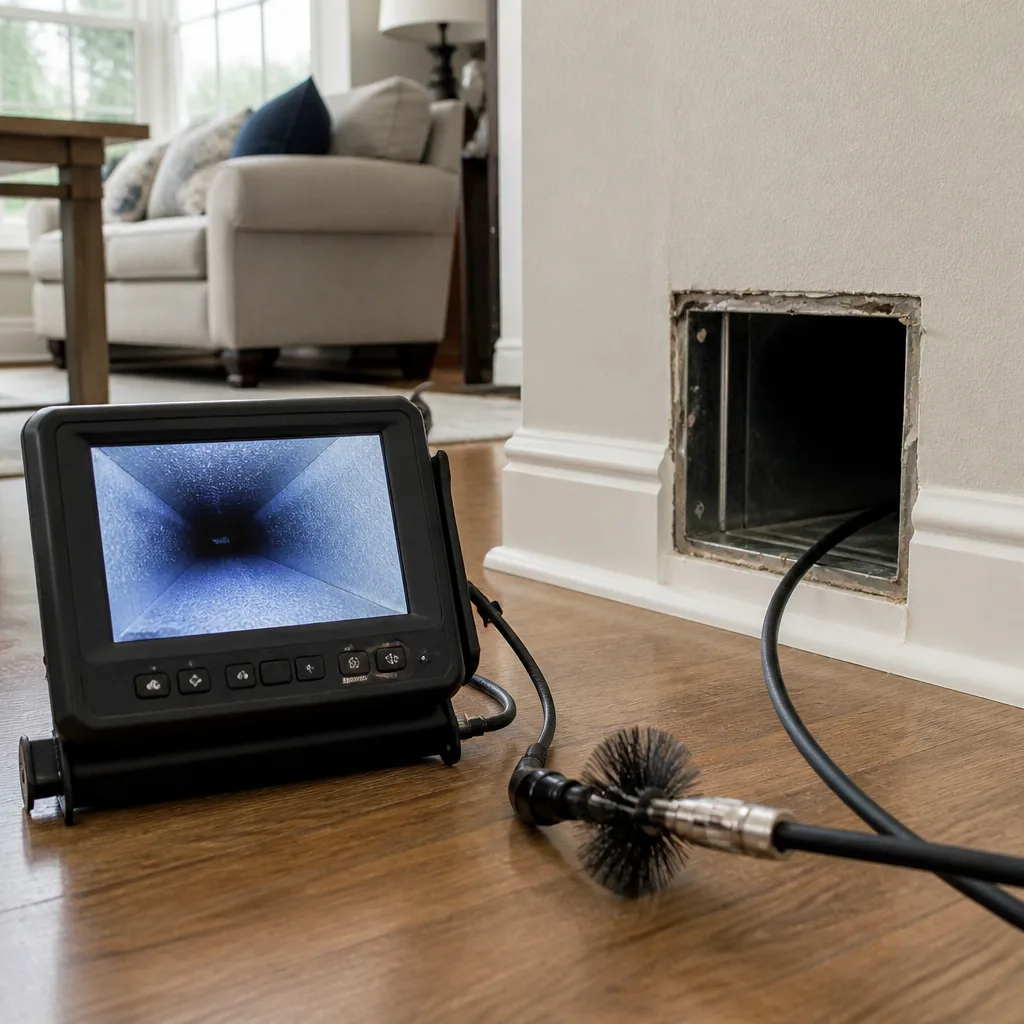 Camera inspection
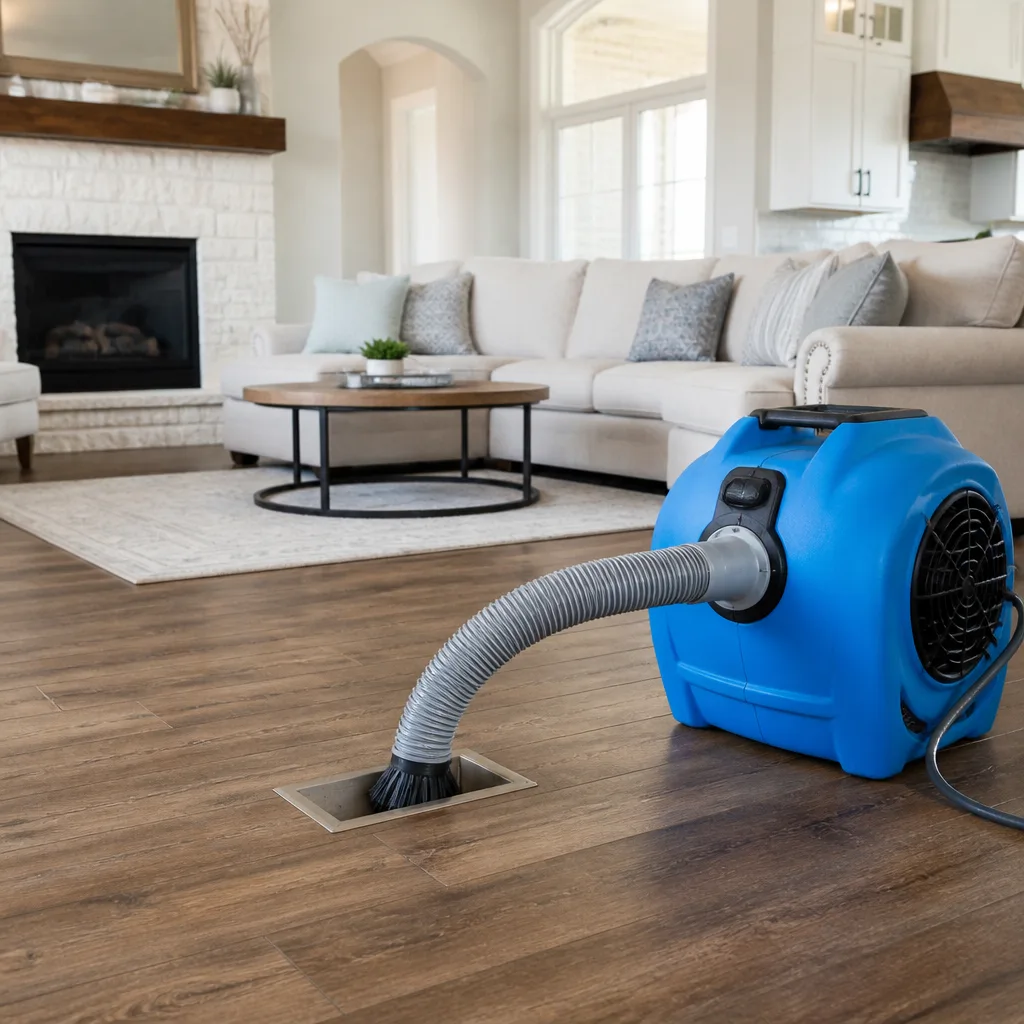 Sanitizing & deodorizing
Whole-system duct and dryer vent check with before-and-after photos - you see exactly what came out of your vents
That "$99 whole-house special" is a bait ad - the real number appears once they are in your hallway, or the "clean" is a shop-vac at the register. We photograph the inside of your ducts before and after instead.
Air Duct Cleaning Permits, Codes & Inspections in Santa Maria, CA: What You Need to Know
Most homeowners assume that anything happening inside their own attic or crawlspace is their business alone. That assumption runs into trouble the moment a cleaning job uncovers a torn duct run or a disconnected air handler joint. Replacing a section of duct board or sealing a plenum connection can pull a Santa Maria home into California Title 24 compliance territory, even when the work never leaves the attic. What starts as maintenance quietly becomes a permitted repair, and the paperwork matters later at resale. This guide walks through where the line falls, what Santa Barbara County expects, and which documents to keep.
Quick Answer
Air duct cleaning by itself generally does not require a permit in Santa Maria. Duct repair, replacement, or sealing that alters the system does, and in Santa Barbara County that work typically needs a licensed C-20 contractor and may trigger Title 24 duct leakage testing. Keep the written scope, contractor license information, and any test results; unpermitted duct repairs can surface on a home inspection report and complicate a sale.
Styles & brands we work with
- Whole-home duct cleaning
- Dryer vent cleaning
- Camera inspection
- Sanitizing & deodorizing
Table of Contents
- Where cleaning ends and permitted repair begins
- What the California Building Code says about duct work
- Santa Barbara County requirements and the C-20 license
- Title 24 duct leakage testing in Santa Maria homes
- How unpermitted duct repairs show up on inspection reports
- What paperwork a compliant job should leave you with
- How Santa Maria’s climate and housing shape duct wear
Where Does Air Duct Cleaning Stop and Permitted Repair Begin in Santa Maria?
The practical dividing line is whether the work changes the system or simply restores it. Cleaning removes accumulated debris from ducts that are already intact. Repair changes the physical duct system, and that is the point where permits, licensing, and testing enter the conversation in Santa Maria.
Here’s how we draw the line on a typical job:
- Cleaning (no permit): Rotary brushing and HEPA extraction of an intact duct system, including the supply runs, return runs, registers, and the air handler cabinet exterior.
- Repair (permit territory): Replacing a collapsed or crushed flex run, rebuilding a section of duct board, reconnecting a plenum, or sealing joints with mastic where the system’s performance changes.
- Replacement (permit territory): Swapping out a full trunk line or a substantial portion of the distribution system.
- Air sealing at the air handler: Small mastic touch-ups are one thing; reconfiguring the connection is another, and the second usually warrants a conversation with the county.
Most Santa Maria homes we look at fall into one of two categories: older single-story homes with rigid metal ductwork that has separated at the joints, and newer construction with flex duct that has sagged or been pinched during a remodel. The first tends to need sealing. The second tends to need section replacement. Both cross into repair territory.
If a crew tells you a duct repair is needed, ask two questions before they start: is this maintenance or a system alteration, and does the scope trigger a permit or a leakage test. A straight answer tells you whether you’re talking to a specialist or a salesperson.
What Does the California Building Code Say About Duct Work?
California’s building code treats duct systems as part of the mechanical system, which means repairs and replacements fall under mechanical permit rules rather than a separate duct code. The California Energy Code, Title 24 Part 6, layers performance and testing requirements on top of that.
The key ideas for a Santa Maria homeowner to understand:
- Routine maintenance is exempt. Cleaning, filter changes, and minor mastic touch-ups on an intact system do not require a mechanical permit.
- Alteration and replacement trigger permits. Replacing duct runs, changing the configuration of the distribution system, or installing new duct board falls under the mechanical permit rules most cities enforce.
- Title 24 applies to alterations. When duct work is altered, the energy code’s duct sealing and leakage requirements come into play, which is why the testing question follows repair work around.
- Local amendments stack on top. Santa Barbara County and its cities can layer additional requirements onto the state baseline, so the county building department is the authority for a specific address.
- Permits live with the property. A permit pulled for duct repair is recorded against the address, which is exactly how unpermitted work surfaces later.
One more note: the code language changes slowly but the enforcement priorities shift. The county building department is the source of truth for your specific project. Ask before the work begins, not after.
For a broader look at how a thorough cleaning job is scoped, see our air duct cleaning page. The short version: a real cleaning is documented work, and the documentation is what makes the repair conversation legible later.
What Does Santa Barbara County Require for Duct Repair Work?
Santa Barbara County’s building department handles mechanical permits for duct repair and replacement in unincorporated areas, and the city handles the same work inside Santa Maria city limits. The specific details vary between the two, so confirm with whichever jurisdiction covers your address before work begins.
What’s consistent across the county: duct repair that alters the system is treated as contractor work, not homeowner maintenance. A licensed C-20 contractor (HVAC) is the license class that covers this scope. A handyman with a vacuum and a roll of foil tape is not the right professional to rebuild a plenum or replace duct board, and pulling a permit without the right license class is where homeowners get stuck.
A typical compliant duct repair job runs roughly like this:
- Scope written and signed. The contractor documents what will be repaired or replaced, with photos of the problem areas.
- Permit pulled by the contractor. The C-20 license holder pulls the mechanical permit in their name, not yours.
- Work performed. Repairs are completed to the scope, with photos before and after each repair section.
- Inspection requested. The county or city inspector verifies the work against the permit.
- Permit finalized. The closed permit becomes the record of the work, and it’s the record that survives with the property.
That final step is the one homeowners most often skip, usually because they didn’t know the contractor pulled a permit in the first place. If you can’t find the permit record on the county’s site when you need it, neither can a future buyer’s inspector.
Title 24 Duct Leakage Testing: When Does It Apply in Santa Maria Homes?
Title 24’s duct leakage testing requirements apply to duct alterations in existing homes under specific conditions, and they’re the reason a simple-looking repair can grow into a multi-visit job. The energy code exists to keep duct systems from leaking conditioned air into attics, and the code relies on testing to verify that the work actually achieves its purpose.
In practice, on a duct repair job, expect the possibility of:
- A pre-test and a post-test. The system is measured for leakage before the repair and again after, to demonstrate that leakage improved.
- Mastic sealing at every joint and seam. Foil tape alone doesn’t satisfy the sealing requirements most inspectors enforce.
- Documented results. The test results are typically submitted as part of the permit record.
Not every repair triggers the full testing pathway. A short section replacement tucked into the middle of a trunk run is different from replacing the entire distribution system. The county inspector and the energy code determine which pathway applies to your specific scope, and getting that determination upfront is the difference between a smooth close-out and a plan revision mid-job.
Santa Maria’s housing stock makes this matter more than in some markets. A lot of the older homes here have duct layouts that were designed for an earlier era of energy code and never updated. When those systems fail, they fail in ways that prompt repair, which is why we see this question come up so often in Santa Maria.
Professional-grade equipment matters here. A Rotobrush rotary-brush system lets us clean and inspect the interior of the ductwork, which is how a repair scope gets identified in the first place. Without that visibility, “we found a problem” is a claim, not a finding.
How Do Unpermitted Duct Repairs Show Up on a Home Inspection Report?
Unpermitted duct repairs surface during a home inspection in one of two ways, and both cost the seller leverage during a sale. The first is visual: a home inspector who sees newer-looking duct work without matching permit records will flag it as a question. The second is functional: an inspector who runs a duct leakage test on a system that’s been altered without the corresponding energy code documentation will find the altered system in whatever condition the unpermitted work left it.
What typically happens next on a Santa Maria transaction:
- The inspector notes the duct work as altered or newer. The report asks for permit documentation or a contractor statement explaining the work.
- The buyer’s agent requests records. If the seller can’t produce them, the question turns into a negotiation item.
- The buyer may ask for a licensed contractor evaluation. A second set of eyes on a system that was altered without records is standard, and the finding can be that the work needs to be redone correctly.
- The repair path is documented, permitted, and closed. Either the seller fixes it before closing, or the price reflects the cost of fixing it after.
In Santa Barbara County, the county’s permit system is searchable. A future buyer’s agent can check whether a permit exists for duct work at the address. If the work is newer than the last permitted record, the question lands on the seller. There’s no shortcut around this.
From our side of the equation, a duct repair job done correctly and documented properly is the cleanest path forward. We clean the system, we inspect the findings, and we fix what others leave behind, but we also make sure the paperwork trail supports the work. That’s part of the job, not an afterthought.
What Paperwork Should You Keep After Duct Cleaning and Repair?
The documentation file is what separates a clean job from a someday-problem. If a Santa Maria homeowner keeps five things, the duct system stops being a mystery at resale.
- Written estimate and signed scope. The exact repairs described, with before-and-after photos attached.
- Contractor license information. The C-20 license number and business name of the licensed contractor who performed the duct repair, on a document you actually keep.
- Permit documentation. The permit application, the inspection record, and the final sign-off from the county or city. This is the piece homeowners most often lack, and it’s the piece an inspector will ask for.
- Title 24 leakage test results, if applicable. Pre-test and post-test numbers, with the test methodology noted.
- Equipment and product records. If a Honeywell or Aprilaire air-quality product was installed alongside the repair, keep the model information and service notes.
A cleaner job leaves a cleaner paper trail. We use Abatement Technologies negative-air and containment tools on repair work, which is the same equipment class used in professional remediation. That’s not just about containment during the work; it’s about producing the kind of job that holds up when somebody else looks at it later.
Store the file with your home records, the same place as the roof warranty and the HVAC service history. On a Santa Maria home that’s traded hands more than once, the duct paperwork is often the only record of what was actually done to the system.
For a look at the full scope of duct work we handle, our Duct Cleaning Santa Maria page covers cleaning, repair, and dryer vent service together. Keeping the scope of the job in one place makes the documentation easier to assemble.
How Santa Maria’s Climate and Housing Shape Duct Wear and Repair Needs
Santa Maria runs a mild climate, which means the duct system gets exercised year-round rather than sitting idle through a brutal heating season. The result shows up in maintenance patterns. Ducts in Santa Maria accumulate dust and debris gradually through continuous use, and the joints and seams that hold the system together take on wear incrementally rather than at the extremes.
A few local observations from jobs we’ve been part of:
- Attic-installed systems run hot in summer. The attic heat is what accelerates degradation of flex duct and duct board, and the mild winter means attic temperature swings aren’t the primary driver.
- Older single-story homes have more rigid metal ductwork. That metal separates at the joints when the system has been poorly supported. Reconnecting is a repair, and in Santa Barbara County it falls under the C-20 scope.
- Remodels precipitate duct problems. A remodel that re-routes HVAC supply runs or shifts the air handler often leaves flex duct pinched or kinked, which shows up as a room that never gets comfortable.
- Crawlspace systems see moisture differently. Crawlspace ductwork in Santa Maria holds up well overall, but insulation that’s been compromised by pests needs to be addressed alongside any duct repair.
What this means practically: a duct cleaning in Santa Maria is often the first time anyone has looked inside the system since it was installed. That visibility is where the repair findings come from, and where the permit conversation begins.
For duct repairs to be done right, the cleaning has to come first so the problem areas are actually visible. A Nikro HEPA extraction system with the right attachments lets us clean thoroughly and then inspect, which is the order that makes sense. If you’re considering dryer vent cleaning alongside duct work in Santa Maria, the same documentation thinking applies: keep the record of what was cleaned and when.
Common Mistakes to Avoid
- Assuming all duct work inside the house is exempt from permits. Cleaning generally is; repair and replacement generally aren’t. The line falls at whether the system’s configuration changes, and California treats that as a mechanical permit item.
- Hiring a handyman for a duct repair. Rebuilding duct board or replacing flex runs is C-20 scope in Santa Barbara County. A non-licensed repair is unpermitted work no matter how neat the job looks.
- Skipping the Title 24 question when a full distribution system is replaced. Duct leakage testing is part of the code pathway on alterations, and skipping it doesn’t make the requirement disappear at resale.
- Not asking about the permit up front. The contractor should pull the mechanical permit in their own name, and you should confirm they intend to. Asking later, after the work is finished, doesn’t produce a permit record.
- Filing the paperwork in a drawer you’ll never open. The signed scope, contractor license information, permit sign-off, and any leakage test results belong with the home records. A buyer’s inspector will ask for them.
- Treating a “sealed duct” claim as the end of the story. Sealing duct joints with mastic and actually closing the permit are two different things. The seal is the work; the permit record is the proof.
- Overlooking the dryer vent on a duct-heavy home. Dryer vent cleaning is a separate service with its own fire-safety importance, and lint buildup is a leading cause of dryer fires. Skipping it doesn’t disappear the risk.
See the difference
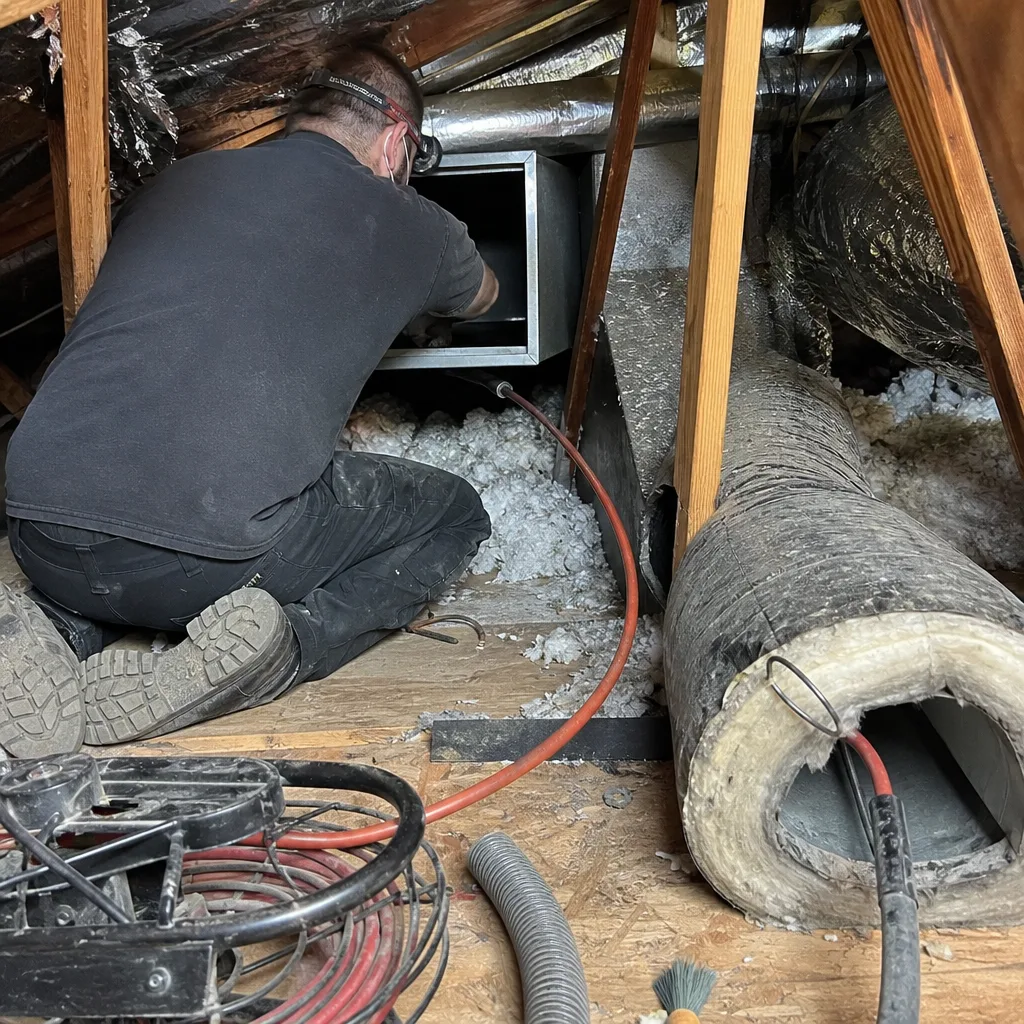 Before
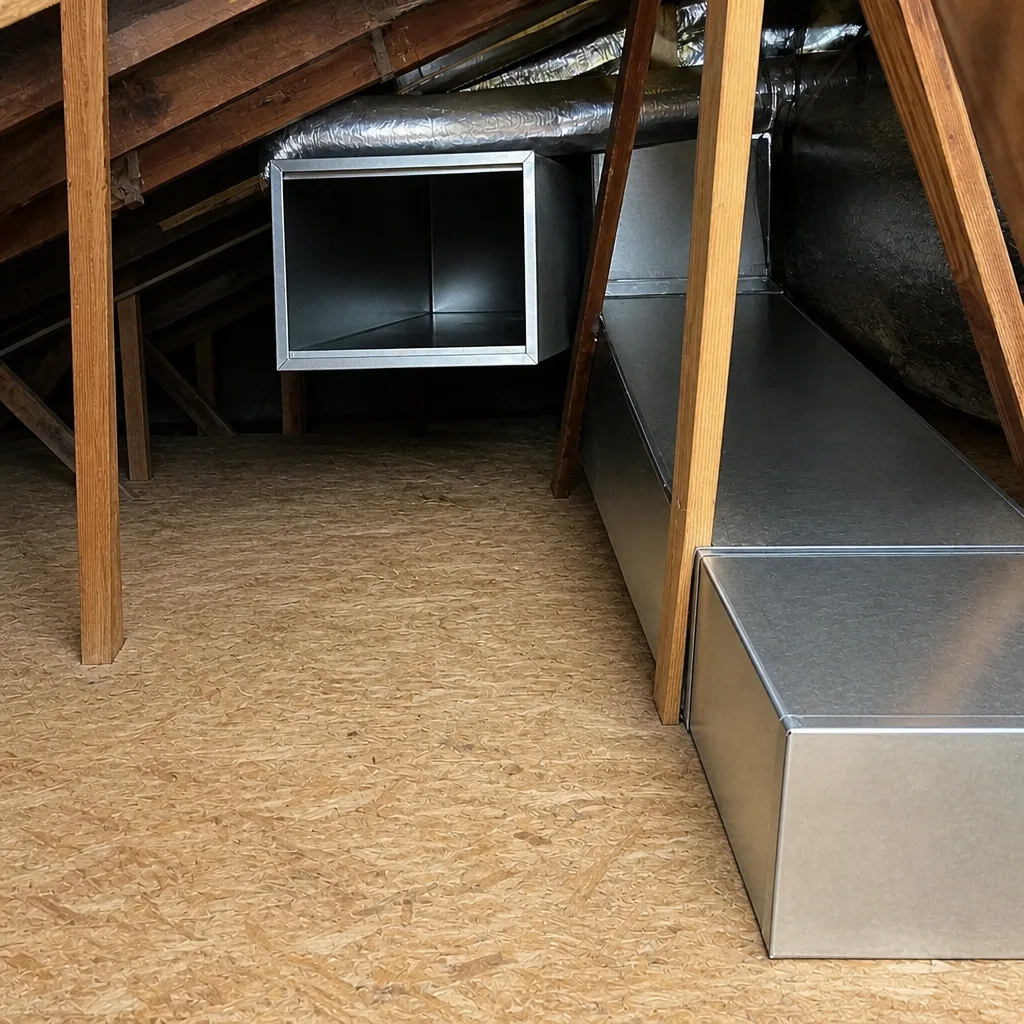 After
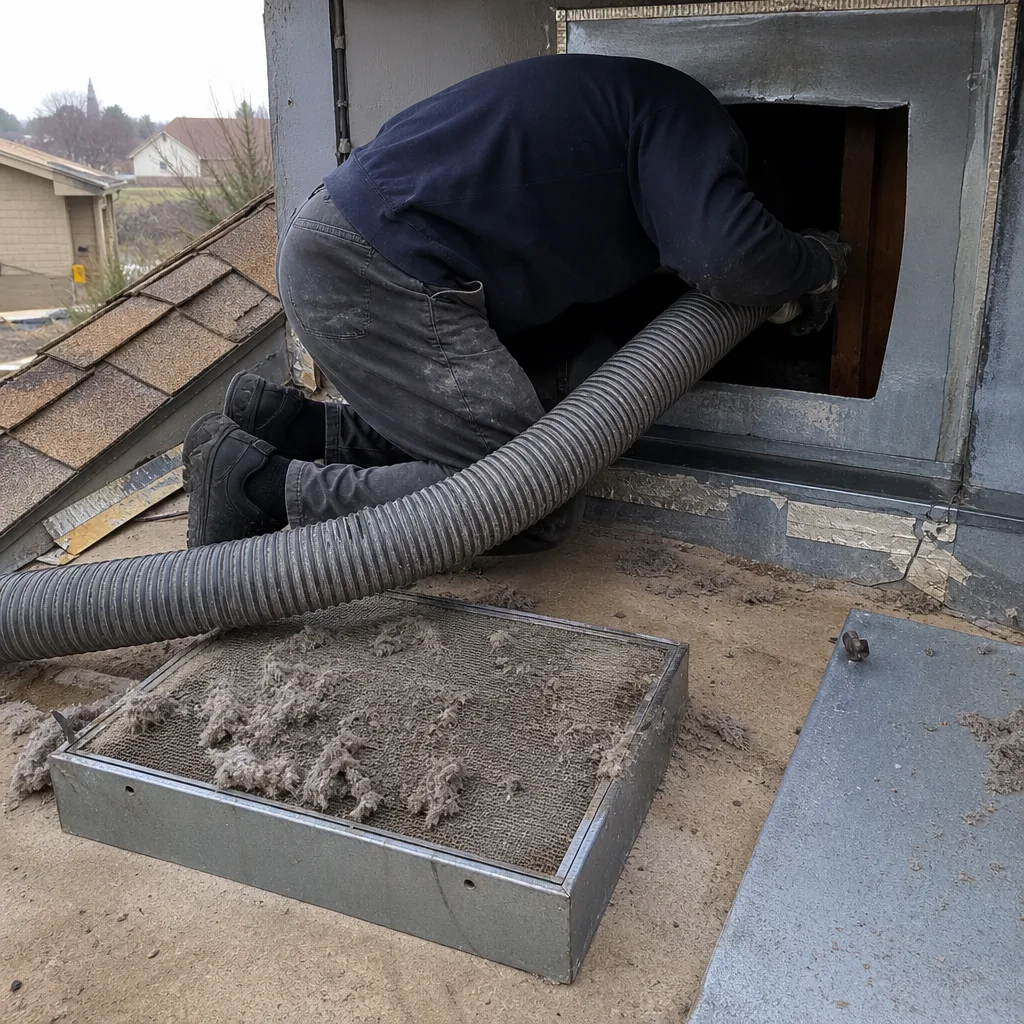 Before
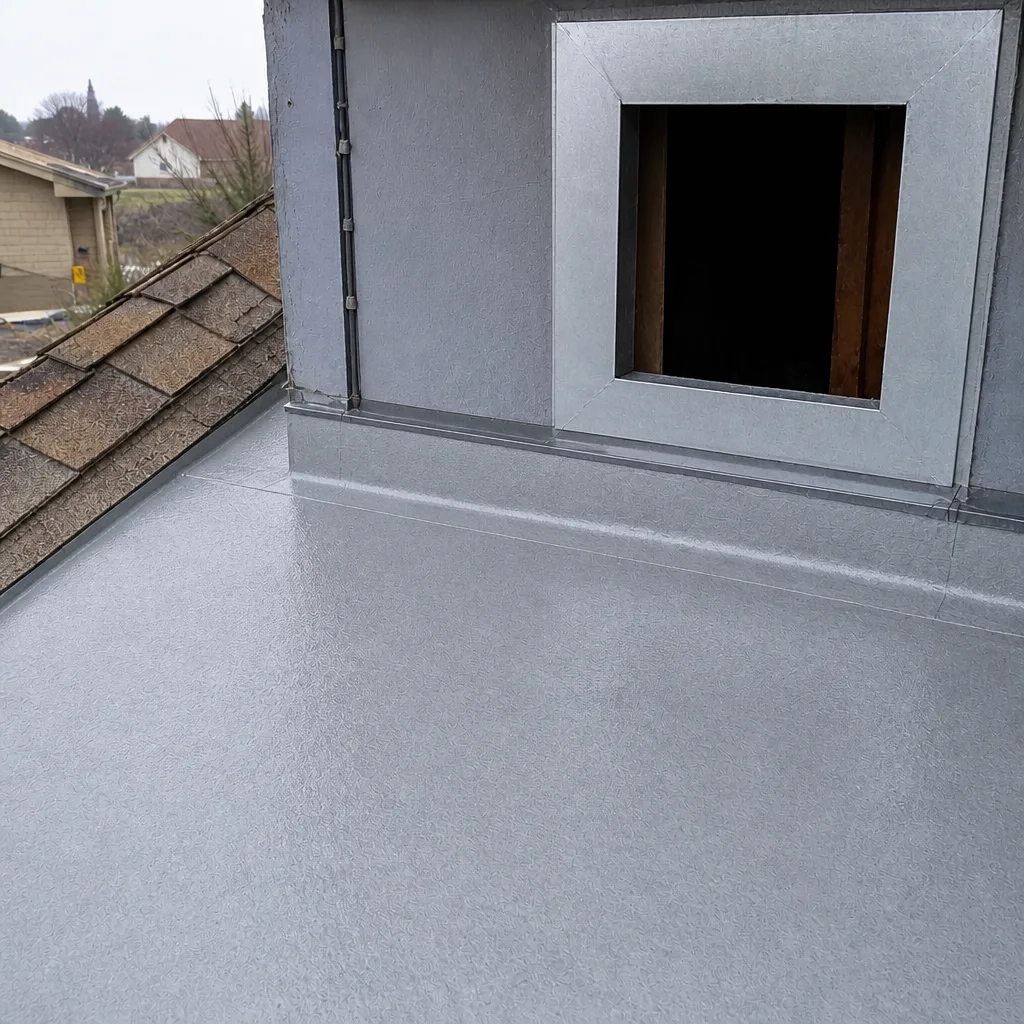 After
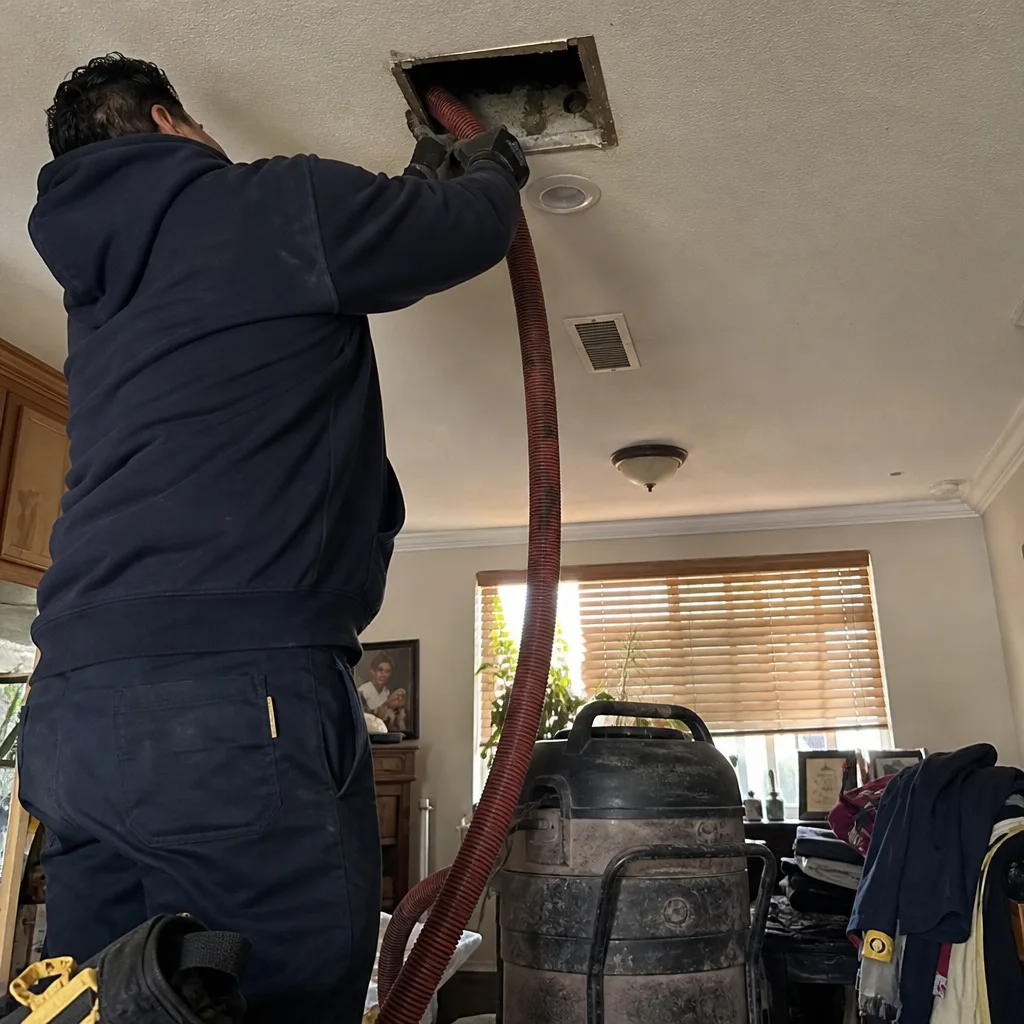 Before
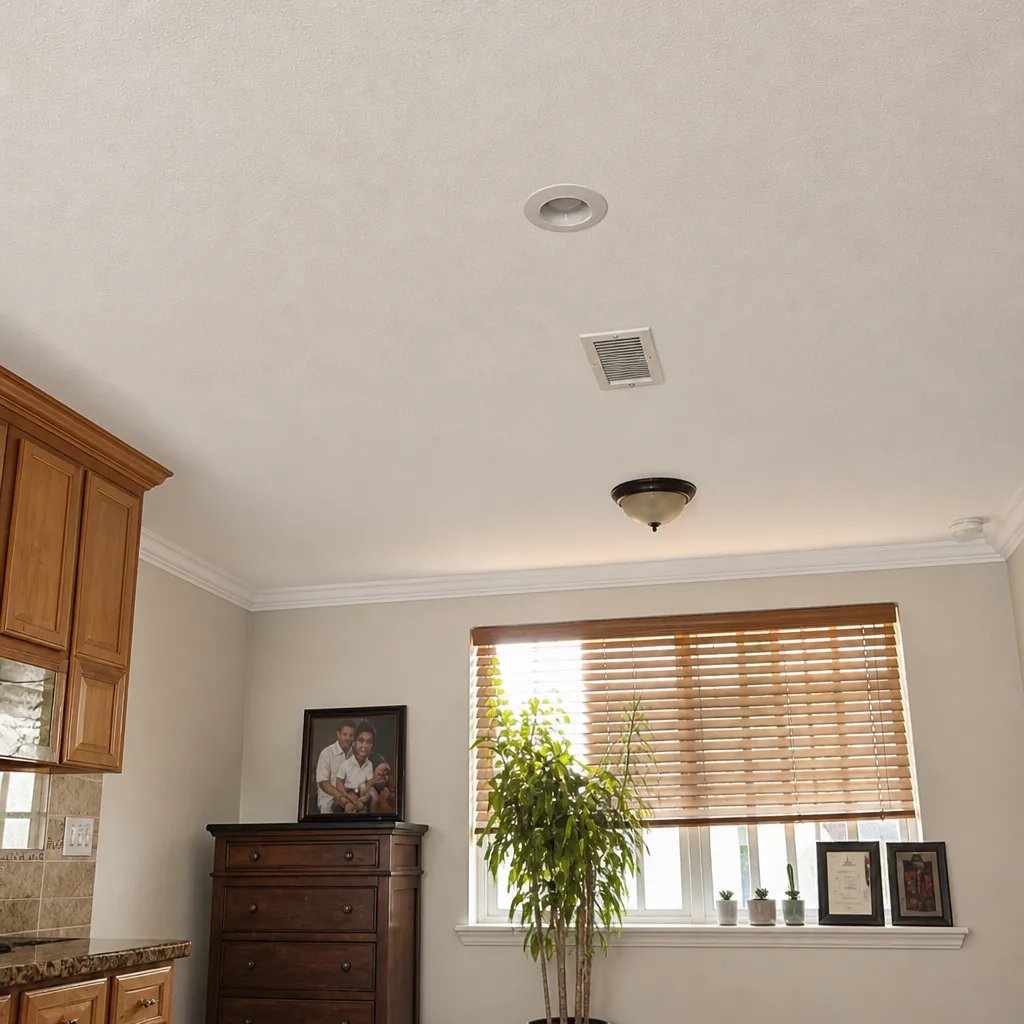 After
When to Call a Professional
Call a professional if a duct cleaning turns up visible damage during inspection – crushed flex runs, separated joints, torn duct board, or moisture staining around the air handler. Call if a room never heats or cools properly and every other explanation has been ruled out. Call if you’re buying or selling a Santa Maria home and the duct system looks newer than the records show, because unpermitted duct work becomes a transaction problem. Call if you notice more dust in the house after the HVAC has been running, which can indicate a breach rather than a dirty filter. Duct Cleaning Santa Maria offers free estimates in Santa Maria – call (833) 630-1949. We answer 24/7. Fast dispatch from 7am to 7pm, Sunday through Friday.
Frequently Asked Questions
No. Air duct cleaning on an intact duct system is maintenance and generally does not require a permit in Santa Maria or Santa Barbara County. The permit question applies when the work becomes a repair, replacement, or alteration, which is when the mechanical permit rules take over. Call (833) 630-1949 for an exact scope on your system – estimates are free.
Duct repair requires a permit when it alters the system – replacing duct runs, rebuilding duct board, reconnecting a plenum, or changing the distribution configuration. Sealing an intact joint with mastic is typically maintenance. The California Building Code treats alteration and replacement as mechanical permit work, and Title 24 duct leakage requirements follow. Call (833) 630-1949 for a scope review.
Yes, in practice. Duct repair and replacement in Santa Barbara County falls under C-20 (HVAC) scope, and the contractor pulling the mechanical permit is generally the one holding that license. A handyman working under a general handyman license isn’t the right professional for a duct system alteration. Call (833) 630-1949 to review the scope before the work starts.
Title 24 Part 6 includes duct leakage requirements tied to duct alterations, and testing is how the code verifies that a repair actually reduced leakage. The results are part of the permit record. Skipping the test doesn’t remove the requirement, and a future buyer’s inspector can find the gap. Call (833) 630-1949 for a scoped assessment.
Yes, typically. The county’s permit system is searchable, and an inspector who sees newer duct work without matching records will flag it on the report. The buyer asks for documentation; if there isn’t any, the conversation becomes a negotiation item. The cleanest path is a documented, permitted repair done correctly the first time. Call (833) 630-1949 for an exact quote.
Keep the signed scope with before-and-after photos, the C-20 contractor’s license information, the mechanical permit and inspection sign-off, and any Title 24 leakage test results. If Honeywell or Aprilaire equipment was installed alongside the repair, keep that model information too. It’s the file that answers an inspector’s questions years later. Call (833) 630-1949 for a free estimate.
The Bottom Line
Cleaning is maintenance. Repair is permitted work. That single sentence covers most of what a Santa Maria homeowner needs to know about duct permits, codes, and inspections. When a cleaning uncovers a real problem, the fix belongs with a licensed C-20 contractor, the mechanical permit belongs in the county’s system under your address, and the leakage test results belong in a home records file. This isn’t complicated, but it does require knowing which type of job you’re looking at. Our technicians have up to 8 years of experience telling the two apart, and we can work with your insurer if the repair ties into a larger claim. If your ducts are overdue for a look, call (833) 630-1949. We answer 24/7. Fast dispatch from 7am to 7pm, Sunday through Friday. Estimates are free, the price is per job by the written estimate, and the paperwork trail goes home with you.
Written by the team at Duct Cleaning Santa Maria.