
Last updated November 15, 2026
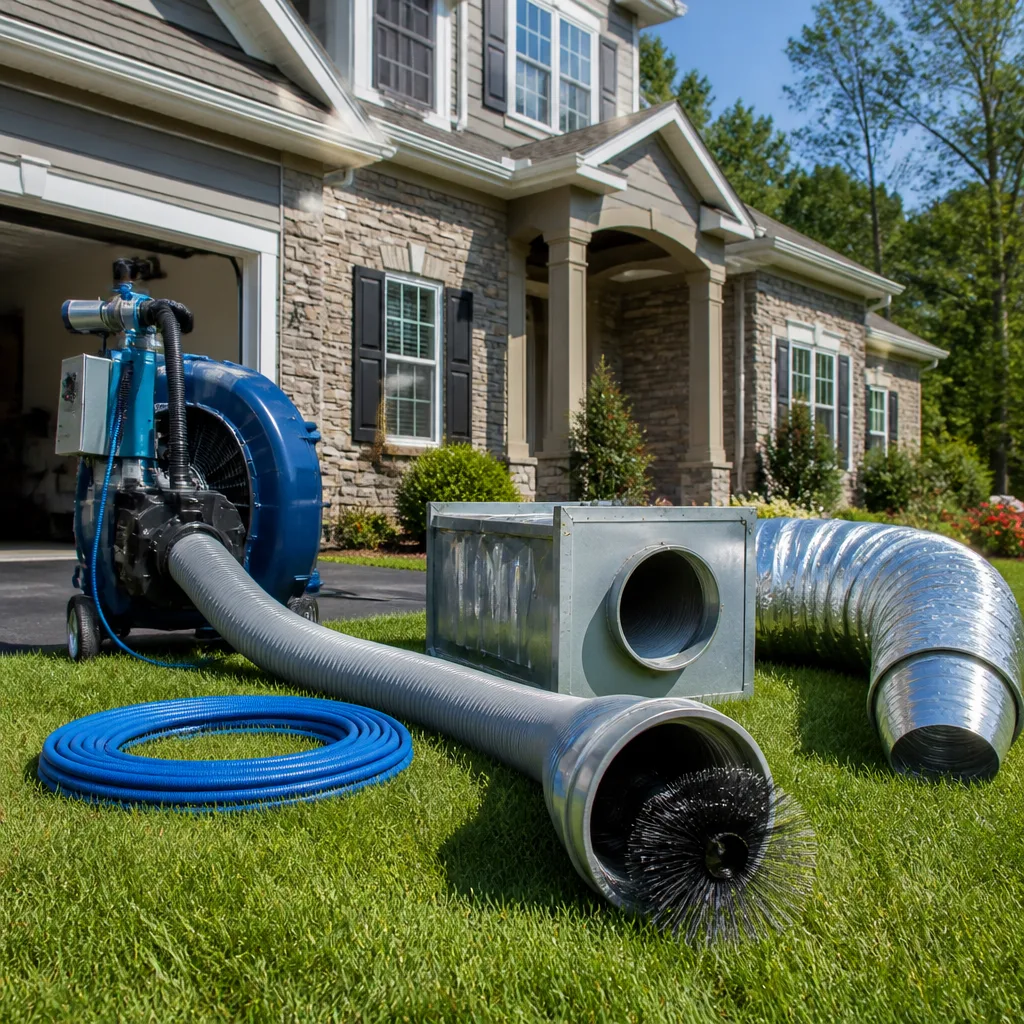 Whole-home duct cleaning
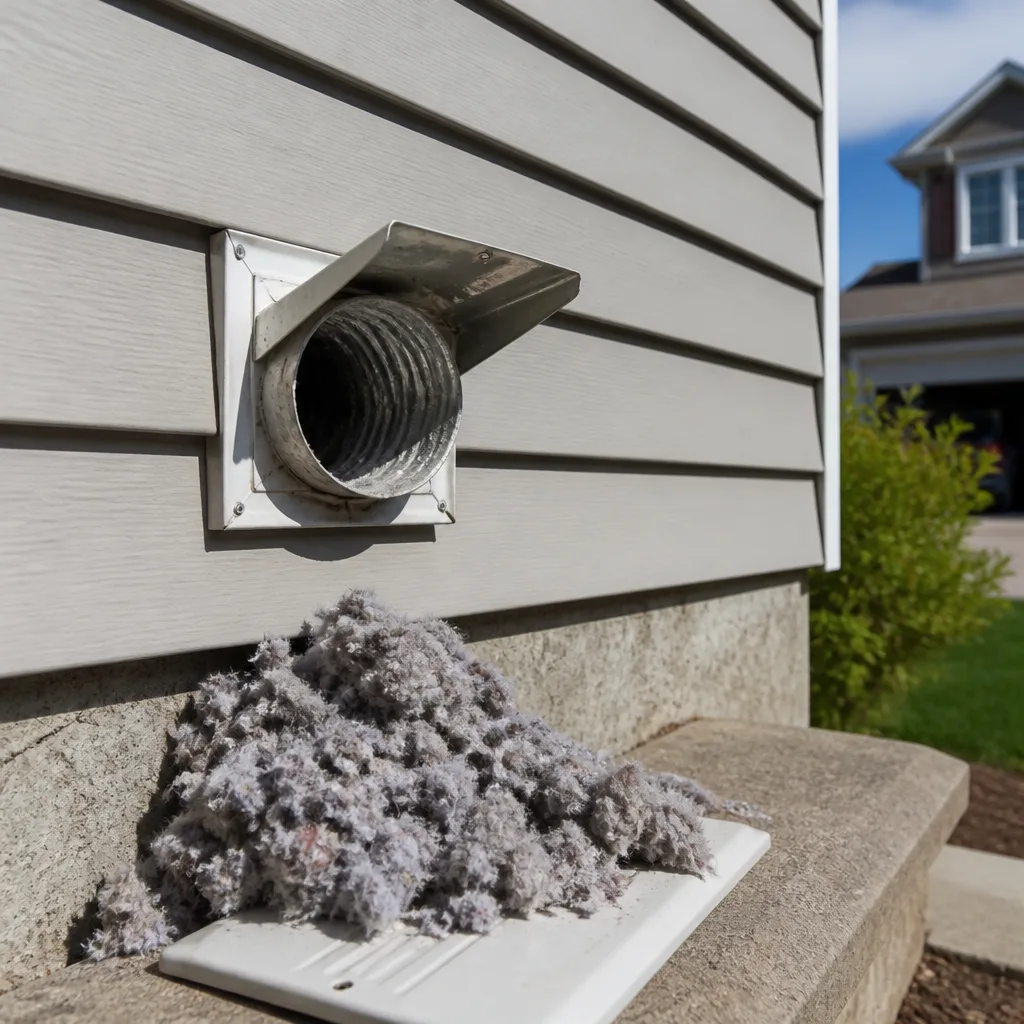 Dryer vent cleaning
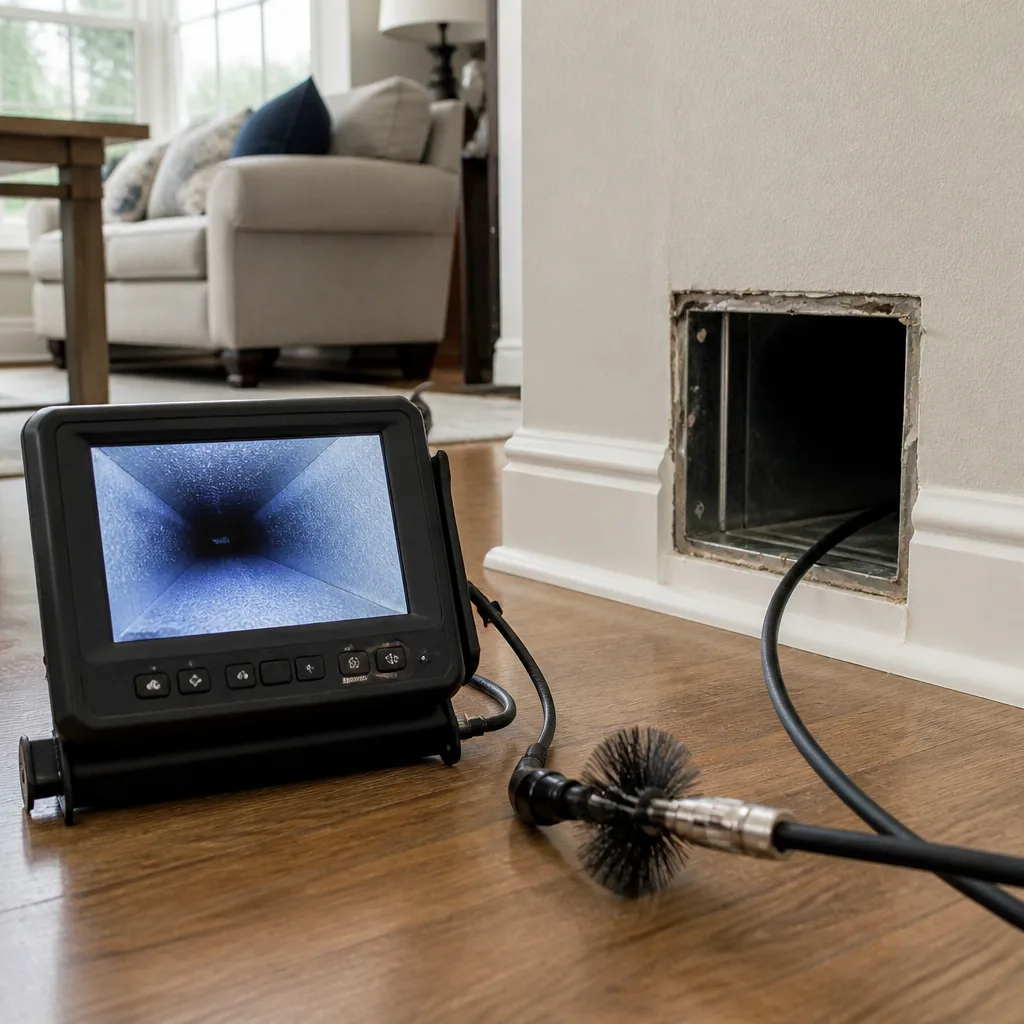 Camera inspection
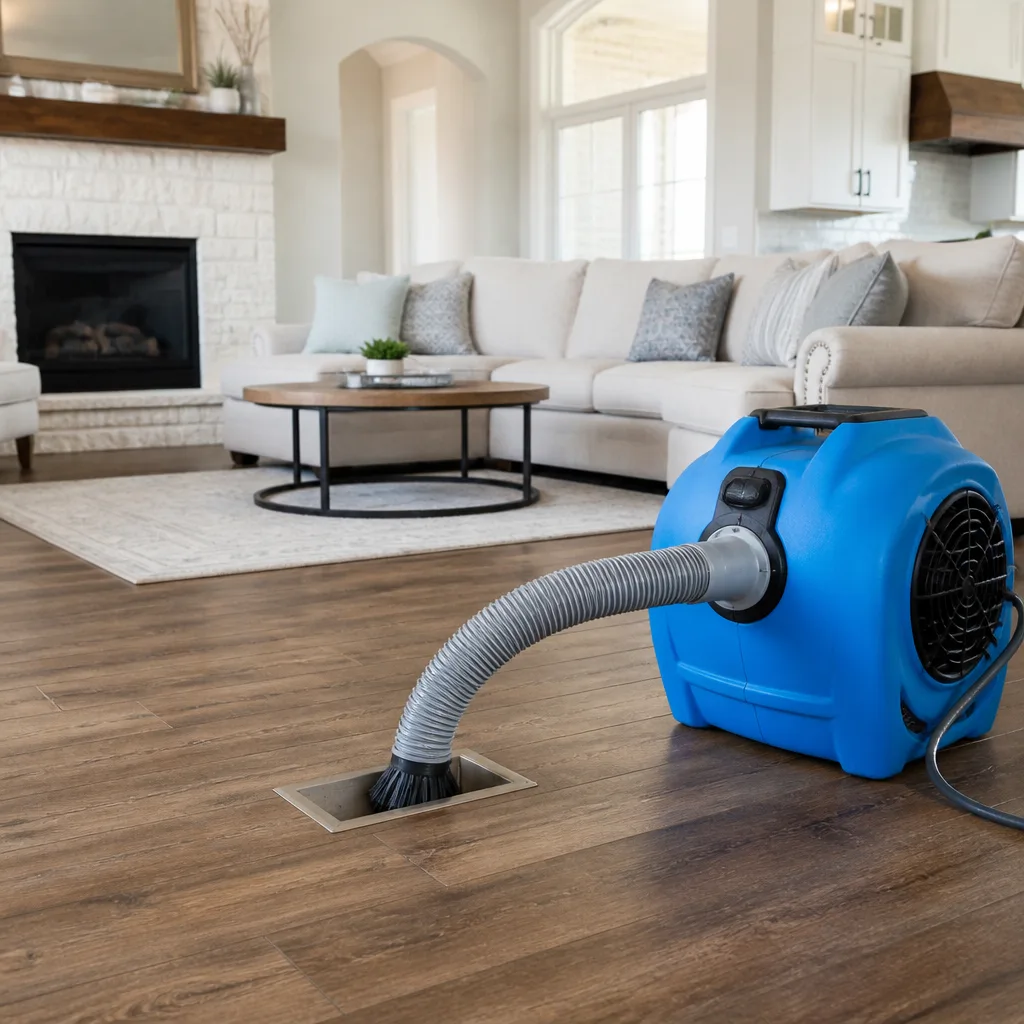 Sanitizing & deodorizing
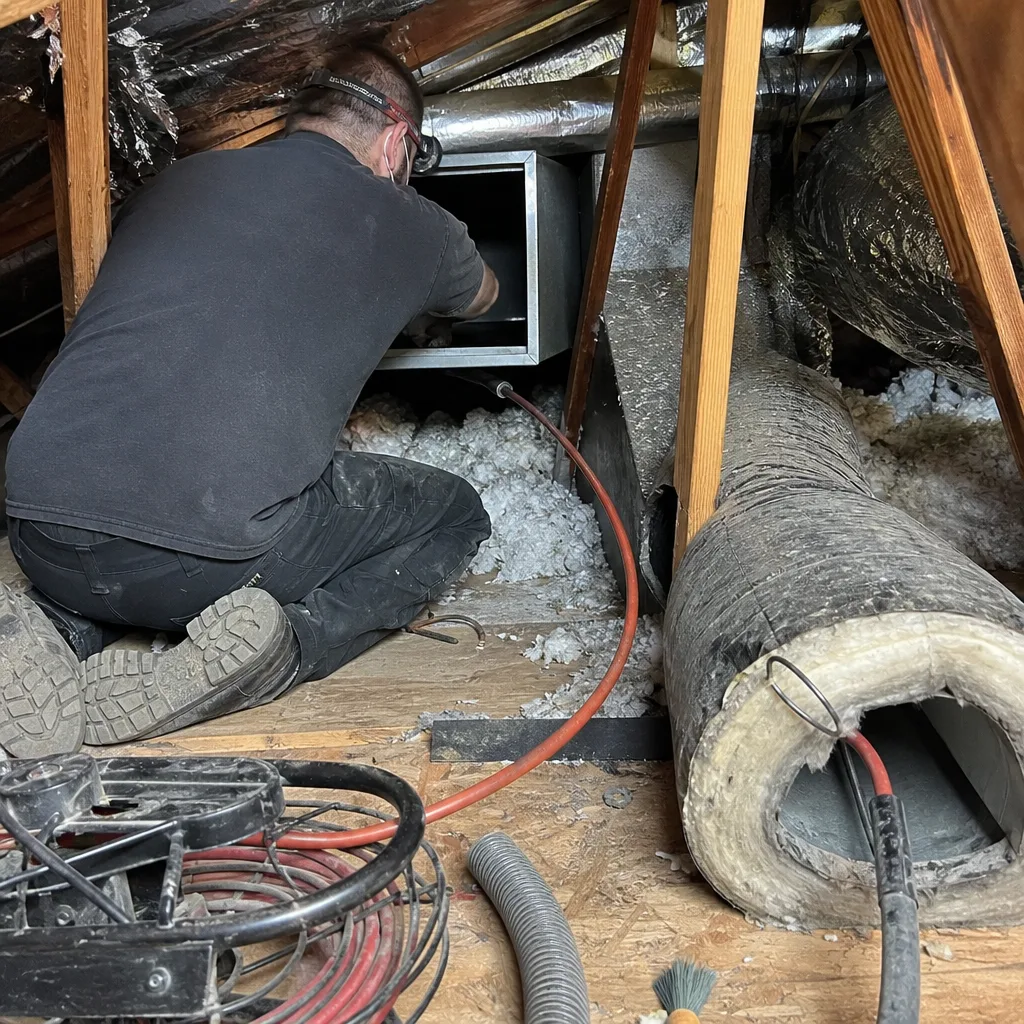
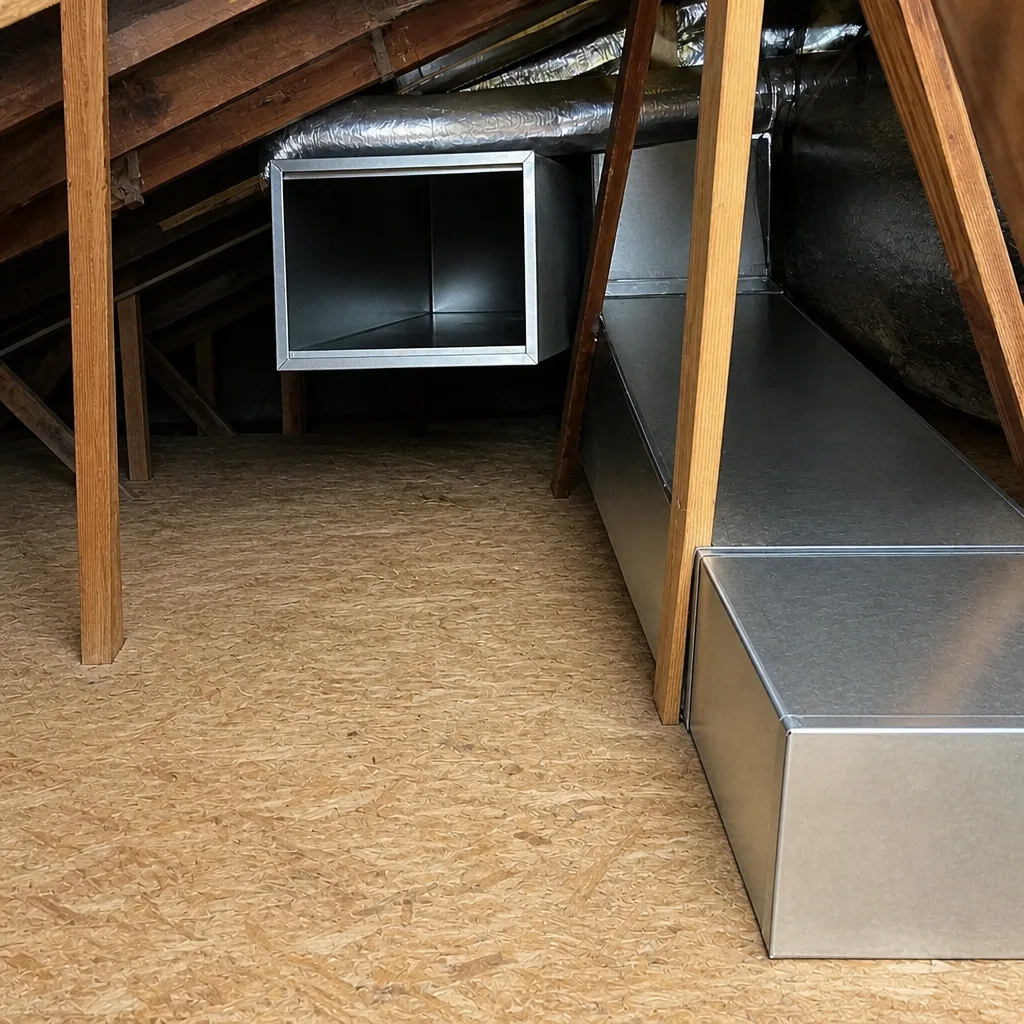
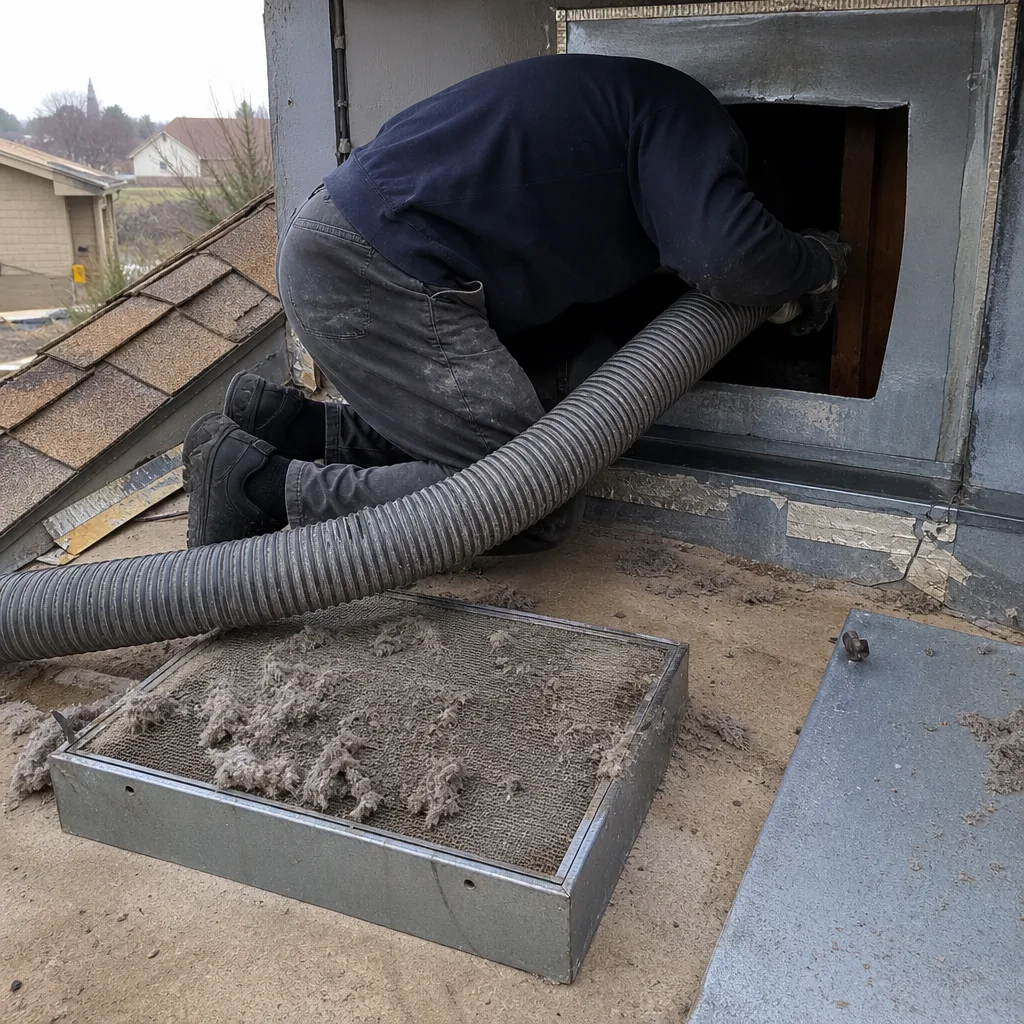
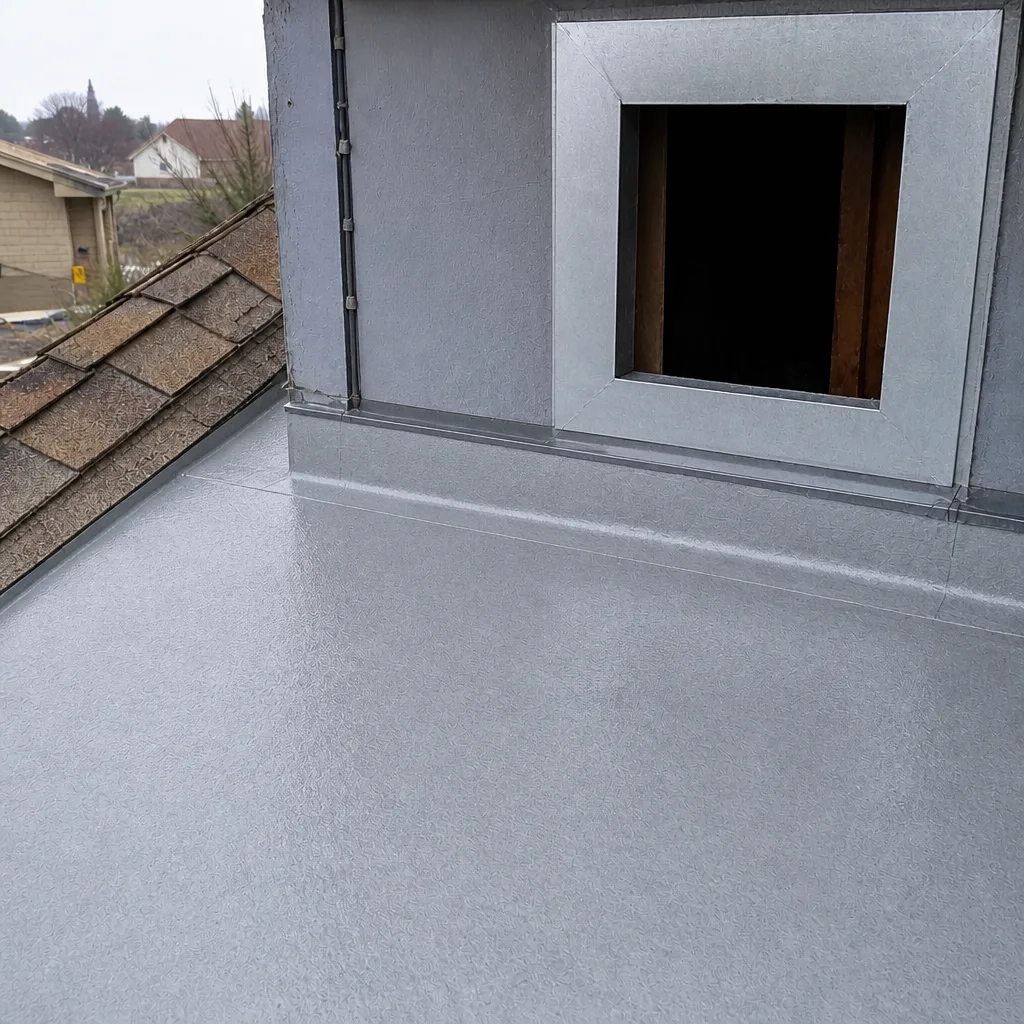
Whole-system duct and dryer vent check with before-and-after photos - you see exactly what came out of your vents
That "$99 whole-house special" is a bait ad - the real number appears once they are in your hallway, or the "clean" is a shop-vac at the register. We photograph the inside of your ducts before and after instead.
How to Hire an Air Duct Cleaning Contractor in Santa Maria: A Step-by-Step Guide
The cheapest quote is usually the most expensive mistake. That sounds backward, so let’s unpack it. In this trade, a very low headline price tends to mean one of two things: a scope so thin it barely touches the system, or a business model built on finding problems once the technician is already inside your home. Neither outcome leaves you with cleaner air. Hiring the right air duct cleaning contractor in Santa Maria is a skill, and like any skill it comes down to knowing what to ask, what the answers should sound like, and which answers should send you looking elsewhere. This guide walks through the five equipment questions to ask before anyone schedules a visit, why NADCA membership matters and how to verify it, the red flags that show up specifically in the Central Coast market, how to read a quote line by line, and what real post-job documentation looks like. By the end you’ll have a shortlist you can trust and a paper trail to prove the work got done.
Quick Answer
Hire an air duct cleaning contractor in Santa Maria by verifying five things before you book: the specific equipment they use (a rotary-brush system plus HEPA extraction, not a shop vac), whether they work from a written flat price for the whole system rather than a per-vent figure, if they’re NADCA members (and you’ve confirmed it yourself), whether they’ll repair duct breaches rather than just clean around them, and whether they’ll put their promised deliverables in writing before the truck arrives. A contractor who answers all five clearly, in writing, is worth scheduling. One who dodges any of them is telling you something.
Styles & brands we work with
- Whole-home duct cleaning
- Dryer vent cleaning
- Camera inspection
- Sanitizing & deodorizing
Table of Contents
- The Five Equipment Questions to Ask Before Scheduling
- Why Negative Air Pressure and Containment Matter
- NADCA Membership: What It Guarantees and What It Doesn’t
- Red Flags Specific to the Central Coast Market
- How to Read a Duct Cleaning Quote, Line by Line
- What Post-Job Documentation Should Look Like
- Santa Maria Housing and Climate: Why Ducts Here Need Real Attention
- Common Mistakes to Avoid
- When to Call a Professional
The Five Equipment Questions to Ask Before Scheduling
Equipment is the cleanest dividing line in this trade. A contractor using a rotary-brush system with HEPA extraction is doing one job; a contractor with a homeowner-grade vacuum is doing a different one entirely. Ask these five questions on the phone, before anyone comes out. A specialist will answer them without hesitation. A generalist with a vacuum will fumble them.
- “What brush system do you use?” Rotary-brush systems like Rotobrush use a spinning brush head attached to a flexible shaft that travels the length of each branch line. It’s the difference between loosening caked-on debris and skimming what’s reachable from the register. A contractor who answers “a brush on the end of a hose” is not describing the same thing. The follow-up is just as important: “Is it a powered rotary head?”
- “What is your extraction equipment?” HEPA-rated extraction units like Nikro systems capture what the brush dislodges instead of sweeping it back into the living space. If the answer is a wet/dry shop vac, that is a consumer tool, not contractor-grade, and it cannot create the airflow or filtration required to evacuate a whole-house system.
- “What negative air pressure do you achieve, and how do you measure it?” This gets at containment. Professional crews use negative-air machines to keep the work zone under lower pressure than the rest of the house so dislodged dust moves toward the equipment, not your couch. (More on this in the next section.)
- “Do you inspect the ducts before and after cleaning?” Cleaning without inspection is guesswork. A legitimate crew cameras or visually inspects each branch, cleans, then re-inspects to confirm the results. Ask when that inspection happens and who signs off on it.
- “Can I see the equipment you’ll bring?” This is the simplest question and the most revealing. Anyone who refuses to show their equipment before starting, whether in photos or on arrival, has told you what you need to know.
Bring these questions to the phone call, not the appointment. The best time to filter out the wrong contractor is before they’ve scheduled you.
Why Negative Air Pressure and Containment Matter
Here’s the part most homeowners never hear about, and it’s the part that separates a real duct cleaning from a dust event. When debris is dislodged inside a duct system, it has to go somewhere. If there’s no containment and no pressure differential, a meaningful fraction of that debris ends up back in the air of your living room. That’s worse than not cleaning at all, because at least a dirty duct system was holding the debris in place.
Negative air pressure is how professionals fix that. By running a negative-air machine with HEPA filtration at the trunk or a designated exhaust point, the crew keeps the duct system, and the work zone around it, at lower pressure than the surrounding rooms. Air flows toward the machine. Debris travels with it and gets captured. Crews sometimes use zip-wall or light containment barriers at the return openings so any dust that escapes the duct itself is still confined to a work zone rather than migrating into bedrooms.
Abatement Technologies makes negative-air and containment equipment used in professional remediation work, and it’s the standard we work to on every job. The specific questions to ask a contractor:
- Do you run a negative-air machine, or only a vacuum at the register?
- Is it HEPA-filtered?
- Where do you put the exhaust, and how do you keep the exhaust from landing in an occupied room?
- What do you do about the return ductwork specifically, which is often the dirtiest branch?
If a contractor can’t describe their containment setup in plain language, the answer is that they don’t have one. Cleaning without containment is a change of address for your dust, not a removal of it.
NADCA Membership: What It Guarantees and What It Doesn’t
The National Air Duct Cleaners Association (NADCA) publishes the ACR, the industry’s assessment, cleaning, and restoration standard. NADCA membership is one of the most reliable single signals you have, because the association requires a specific application process and ongoing compliance with its standards. It’s not a guarantee of perfection. It is a meaningful filter.
How to verify it, step by step:
- Ask the contractor directly whether they’re a NADCA member and what membership tier.
- Go to NADCA’s own directory on their website and search for the business by name and by city. If they claim membership, their business should appear there.
- Ask whether they follow the ACR standard and can describe what it requires of them on a residential job.
- Ask whether they carry current general liability insurance for duct cleaning work specifically.
What NADCA membership does not guarantee: it doesn’t tell you the crew assigned to your Santa Maria home will be trained to the standard. It doesn’t guarantee pricing fairness or prevent a bait-and-switch. It’s one credential in a stack, which is why it belongs alongside the equipment questions above and the written scope below. Treat it as a green flag that moves a contractor toward the shortlist, not as a finish line. A non-member can still do excellent work, and a member can still be a bad experience. But if a contractor claims membership and doesn’t appear in the directory, that’s a red flag you cannot ignore.
Red Flags Specific to the Central Coast Market
Some patterns show up specifically in and around Santa Maria, and knowing them saves real money. Santa Maria sits in a broad agricultural valley where homes range from older single-story ranches near downtown to newer subdivisions and rental-heavy neighborhoods. That mix creates its own dynamic: aggressive door-to-door sales operations appear in neighborhoods with a lot of first-time buyers and property managers, because those are the easiest targets.
Watch for these:
- Door-to-door solicitation with a “today only” price. Legitimate duct cleaners book through phone and website; they do not knock on doors with a contract in hand. If someone is on your doorstep offering a whole-house cleaning at a price that vanishes if you don’t sign right now, that’s a pressure tactic, not an offer.
- Refusal to show equipment before starting. Any crew that won’t let you see the machines before they walk in has something to hide. The equipment itself is a demonstration of capability.
- Vague “per vent” pricing. “It’s $15 per vent” tells you nothing about scope. How many supply registers? What about the returns? Is the air handler included? Will they address the plenum? A per-vent number invites the classic upsell once they’re inside.
- Add-on pitches that arrive after the fact. “Your system needs mold remediation” delivered after the cleaning has started is a common pattern. Legitimate issues should be identified during inspection and put in writing before work begins.
- No written scope or no written estimate. If the whole transaction is verbal, you have no way to compare it to the job you actually received.
- Unmarked, unlettered vehicles and no business address. A dedicated specialist carries proper trucks, signage, and a traceable business record. A crew with none of those may simply be a generalist subcontracted in for the day.
- Pressure toward decisions before inspection. The right sequence is: inspect, measure, scope, price, schedule. A contractor who wants to quote before they’ve seen your system is guessing, or worse.
None of these red flags is unique to Santa Maria. What is unique is how often they cluster in certain neighborhoods, particularly among property managers and recent buyers who are time-pressured and looking for an easy answer. Slow down before you sign.
How to Read a Duct Cleaning Quote, Line by Line
A proper duct cleaning quote should read like a scope of work, not a sticker price. Here’s what to check.
Line items that must appear:
- Number of supply registers covered and number of return registers covered.
- Whether the air handler, plenum, and trunk lines are included.
- Whether the dryer vent is included or separate (it usually should be a separate service, and dryer vent cleaning is a dedicated scope for a real specialist).
- The cleaning method(s) to be used, by name: rotary brush + HEPA extraction, for example.
- Containment method: negative-air machine, where it will be placed, and whether the work zone is sealed.
- Inspection steps, before and after, and who signs off.
- Whether any needed duct repair is scoped (and priced) or excluded.
- Who performs the work: an employee of the company, a subcontractor, or a day crew.
- Final price, stated as a flat figure for the whole job.
What to be suspicious of:
- Any quote built per vent rather than for the whole system.
- A quote with no numbered register count. If they haven’t listed it, they haven’t counted it.
- “Around” and “usually” as the only pricing language. You are owed a written number.
- A low headline that walks without a written scope. A price without a scope is not a price; it’s an opening position.
- Guarantees not written down. Verbal guarantees in this trade are worth what you pay for them.
When a contractor gives you a single flat price for the whole system, in writing, with a numbered register count and the equipment named, you’re looking at a professional. When the quote is one per-vent number with a coupon attached, you’re looking at the pattern that produces the horror stories.
What Post-Job Documentation Should Look Like
Ask for the deliverables before the job starts, not after. A short, specific email or estimate addendum should spell out exactly what you’ll receive once work is complete. This protects you and it filters out crews that don’t produce proof.
What a real post-job package includes:
- Before-and-after photos of your own ductwork, in your own home, from this specific job. Not stock photos. The trunk, at least one return, and the air handler are the minimum you should expect.
- Register count sign-off. A written confirmation that the numbered registers in the scope were actually cleaned.
- Inspection notes. Any observations from the post-clean inspection, including breaches and seams that need repair and whether they were addressed.
- Any recommended follow-on work, priced separately. If a crew recommends duct repair, it should be documented and severed from the cleaning itself so you can decide on it independently.
- Date and technician sign-off. Proof the job happened, when, and who did it.
The test to request before scheduling: “Will I get before-and-after photos of my ducts and a written register count sign-off after the work?” A specialist says yes without hesitation. A crew that doesn’t document its work has nothing to show you if there’s a complaint later. That’s a strong reason to look elsewhere.
Santa Maria Housing and Climate: Why Ducts Here Need Real Attention
Santa Maria’s climate is mild, which is one reason duct problems in this area tend to be invisible for a long time. Because winters don’t push hard enough to force long heating cycles, and summers don’t require the same cooling loads as inland valleys, HVAC systems in Santa Maria often run in shorter, more intermittent bursts. That is not gentle on ductwork. Short run cycles mean more on/off cycling, which means more opportunities for seams to loosen and joints to open over years. The result is a duct system that slowly leaks air and quietly accumulates debris without ever offering the dramatic symptoms (icing, mold, obvious hot spots) that would flag the problem in harsher climates.
The housing mix matters too. Older single-story homes and ranch houses near downtown Santa Maria often have ductwork that predates the modern flex-duct standard. Rigid metal ducts from decades past tend to have cleaner lines but more joint leakage. Newer subdivisions in the north and west of the city use flex duct that is quieter and more energy-efficient per foot, but is far less tolerant of a dropped tool, a careless install, or rotating brush contact at the wrong speed. A real specialist adjusts the brush and the pressure to the duct material.
Attic-mounted air handlers are common here, and that’s relevant. An attic-located unit pulls air through returns and pushes it through branch lines, and any breach in the connections at the air handler is a leak that dumps strain on the system and pulls in attic particulate. Duct cleaning alone can’t fix that; air duct cleaning is the cleaning step, and repair is a separate, essential follow-on. This is why the guide keeps saying: hire someone who does both.
If you live near the agricultural edges of town, seasonal dust from the surrounding fields adds another layer. Fine particulate drawn into a home’s return system settles in the trunk and branch lines. A real cleaning removes it. A surface skim does not.
Common Mistakes to Avoid
- Booking by price alone. The lowest quote almost always corresponds to the narrowest scope. A whole-system flat price from a contractor who names their equipment is worth more than a per-vent number that leads to an invoice surprise.
- Accepting a per-vent quote. Per-vent pricing invites two problems: a system where the “actual” register count comes out higher than expected, and a scope where returns, the air handler, and the trunk never get touched. A whole-system flat price is the only pricing structure that keeps the contractor and the homeowner aligned.
- Skipping the equipment questions. If you don’t ask about brush system, extraction unit, and containment, you have no way to distinguish a specialist from a generalist with a vacuum. Ask before scheduling.
- Not verifying NADCA membership yourself. Claiming membership is easy. The directory search takes three minutes. Do it.
- Assuming the dryer vent is included. It often isn’t. Dryer vent cleaning is a dedicated service and a genuine fire-safety matter, treated separately from duct cleaning. Ask specifically. Most crews don’t touch it unless you do.
- Accepting no post-job documentation. If you’re not getting before-and-after photos of your own ducts and a written register count, you have no way to confirm the work was done. Insist on it before scheduling.
- Letting a salesperson set the scope in your doorway. The scope should be set after inspection, in writing, and priced as a whole-system flat figure. Anyone offering to scope and price in one step outside the house is guessing, or selling.
See the difference
 Before
 After
 Before
 After
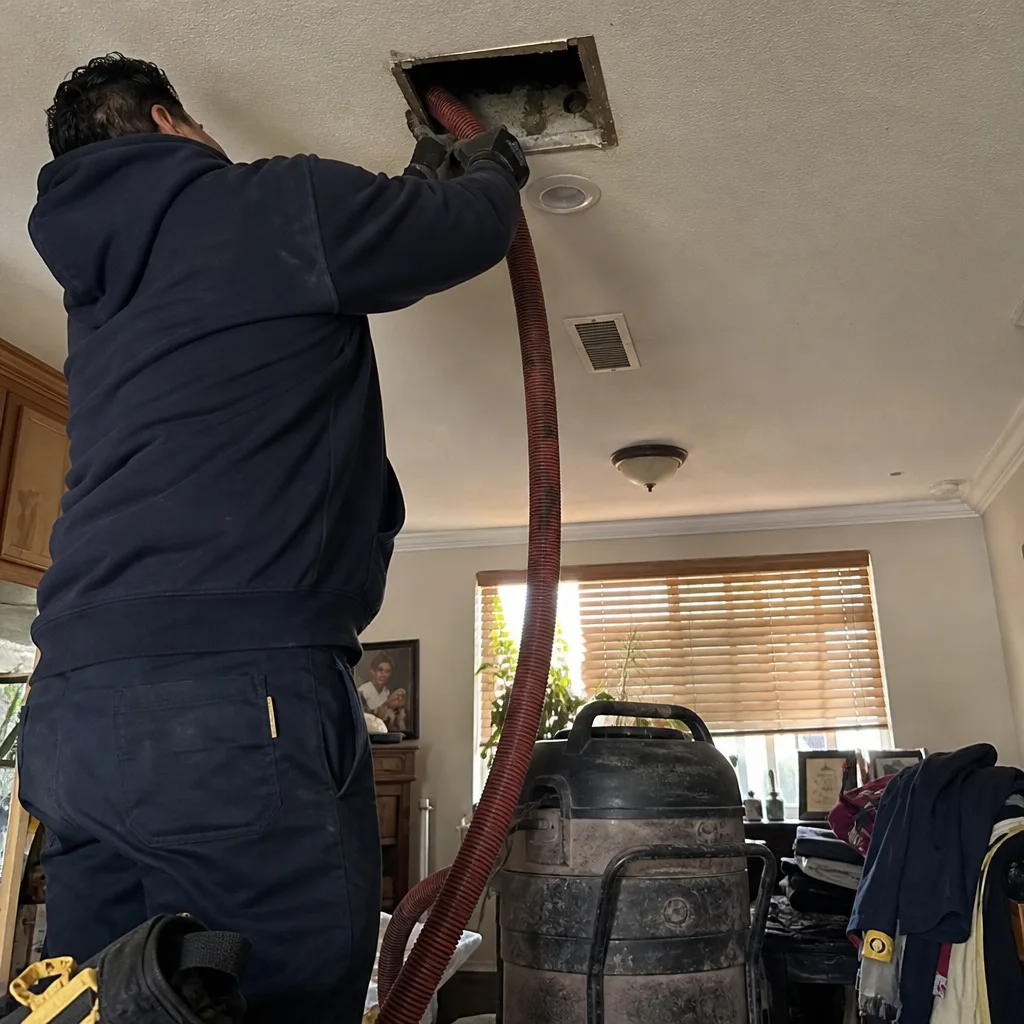 Before
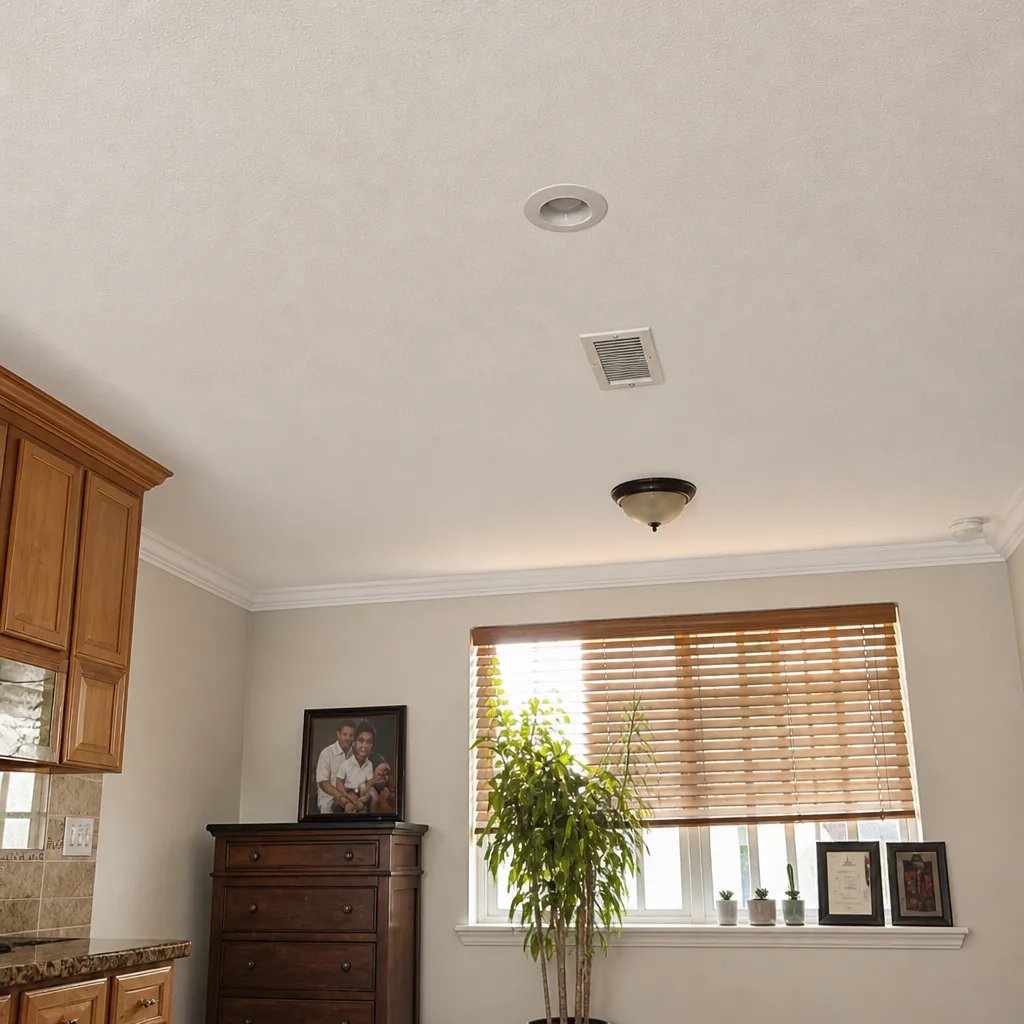 After
When to Call a Professional
Bring in a professional when one or more of these apply: you see visible dust streaks coming from supply registers, you notice a musty odor that doesn’t clear when the system runs, someone in the home has ongoing allergy or respiratory issues that don’t improve with filtration, you’ve just bought a house and don’t know the last time the ducts were cleaned, your energy bills have drifted up without a corresponding change in usage, or you’ve noticed a breach in flex duct or disconnected joints during an attic inspection. If your dryer is taking much longer than it used to, or you have lint accumulated behind the dryer, it’s also time to schedule dryer vent cleaning, which addresses a leading household fire risk most generalists treat as an afterthought.
Duct Cleaning Santa Maria offers free estimates in Santa Maria. We work with professional-tier equipment including Rotobrush rotary-brush systems, Nikro HEPA extraction, and Abatement Technologies containment tools, and we supply and service Honeywell and Aprilaire air-quality products. If your goal is a single provider handling cleaning, repair, and dryer vent service start to finish, call (833) 630-1949. We answer 24/7. Fast dispatch from 7am to 7pm, Sunday through Friday.
Frequently Asked Questions
Expect a whole-system flat price rather than a per-vent figure. The final price is set by the written estimate after inspection, because the scope depends on the number of registers, whether the air handler and trunk are included, and whether any duct repair is needed. Anyone quoting per-vent or offering a headline discount before seeing your system is inviting an invoice surprise later. Call (833) 630-1949 for an exact quote. Estimates are free.
Because they cover less. A very low quote typically excludes the returns, the air handler, the trunk, and any containment, or it’s priced per vent so the “final” cost climbs once the crew is inside. Cheap quotes aren’t a discount on the same work; they’re a smaller scope or a bait-and-switch model. A real specialist prices the whole system in writing and stands behind a single number. Call (833) 630-1949 to compare a real estimate against a teaser.
Request before-and-after photos of your own ducts, and a written register count sign-off, and get the promise in writing before the job starts. A contractor who documents their work is happy to show you the proof. A contractor who doesn’t has nothing to show you. We build this into every job, so the record exists before the crew packs up. Call (833) 630-1949 to book.
Most homes do fine on a schedule somewhere in the three-to-five-year range, but the honest answer is that the interval depends on the home: pets, recent renovation, children, allergy sufferers, and proximity to agricultural or dusty areas all shorten it. Signs matter more than a calendar. If you’re seeing dust streaks at registers or a musty smell through the system, it’s time regardless of the last cleaning. Call (833) 630-1949 for a free inspection and estimate.
It isn’t legally required, but NADCA membership is one of the most useful single signals available, because it means the contractor has applied, been accepted, and committed to the ACR standard. Verify the claim by searching the NADCA directory yourself before booking. Treat it as one green flag among the equipment questions, the written scope, and the post-job documentation requirements. Call (833) 630-1949 and ask us any of these questions directly.
Yes, though the reasons differ. Newer homes use flex duct, which is more energy-efficient but less tolerant of dropped tools and careless installs; seams and connections are the usual weak point. Construction debris from the original build also tends to collect in the system during the first few years. A real inspection identifies what’s actually there. Call (833) 630-1949 for a free estimate on a newer home.
The Bottom Line
Hiring the right air duct cleaning contractor in Santa Maria is a process, not a Google search. Ask the five equipment questions, verify NADCA membership yourself, watch for the Central Coast-specific red flags (door-to-door sales, refusal to show equipment, vague per-vent pricing), read the quote as a scope of work rather than a sticker, and require post-job documentation in writing before the crew starts. A real specialist uses contractor-grade tools like Rotobrush, Nikro, and Abatement Technologies, prices the whole system as a flat figure, repairs what’s broken, and produces before-and-after photos of your own ducts. That standard exists in Santa Maria. You just have to know how to ask for it. If it would help to talk through your system with someone who works to that standard, we’re glad to walk through it with you and set up an appointment for a free estimate in Santa Maria. Our technicians have up to 8 years of experience, our estimate is free, and the written estimate sets the final price.
Call (833) 630-1949. We answer 24/7. Fast dispatch from 7am to 7pm, Sunday through Friday. We’re closed Saturday.
Written by the team at Duct Cleaning Santa Maria.