
Last updated November 15, 2026
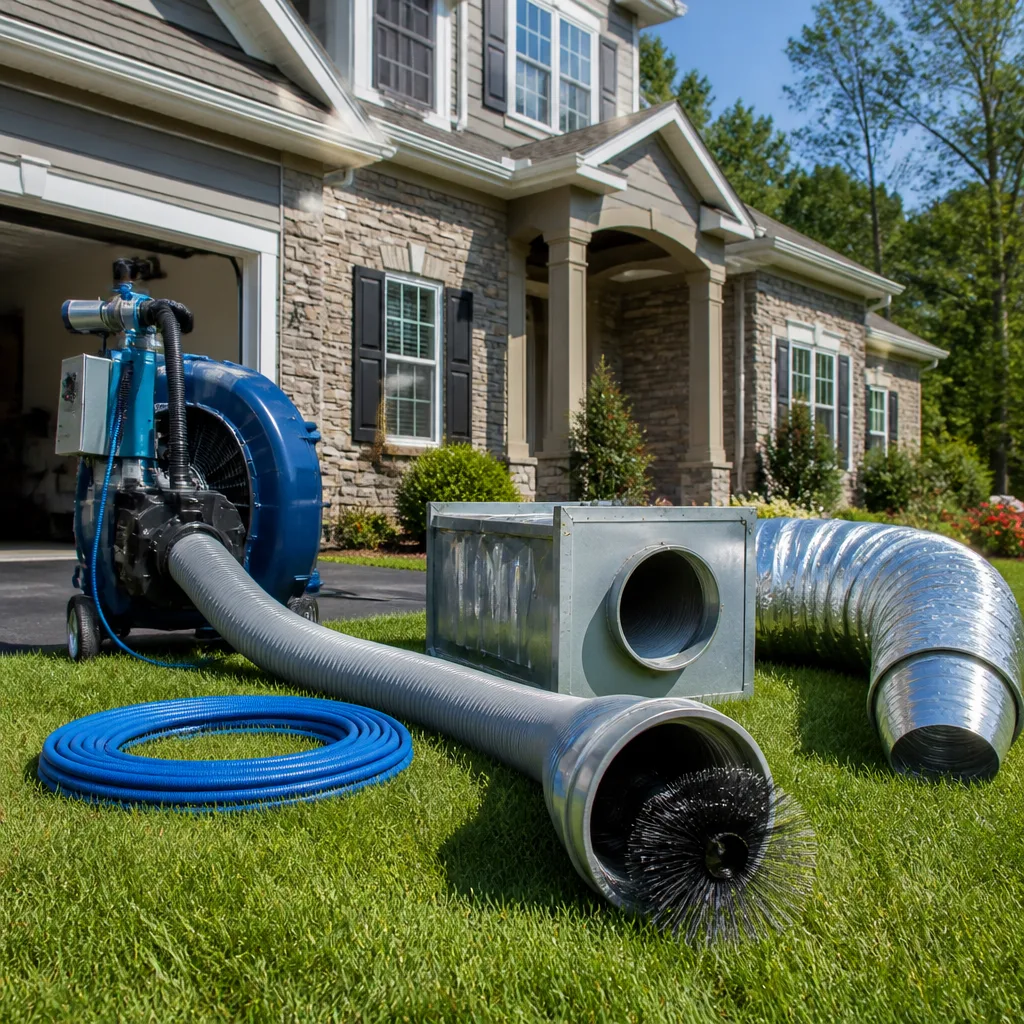 Whole-home duct cleaning
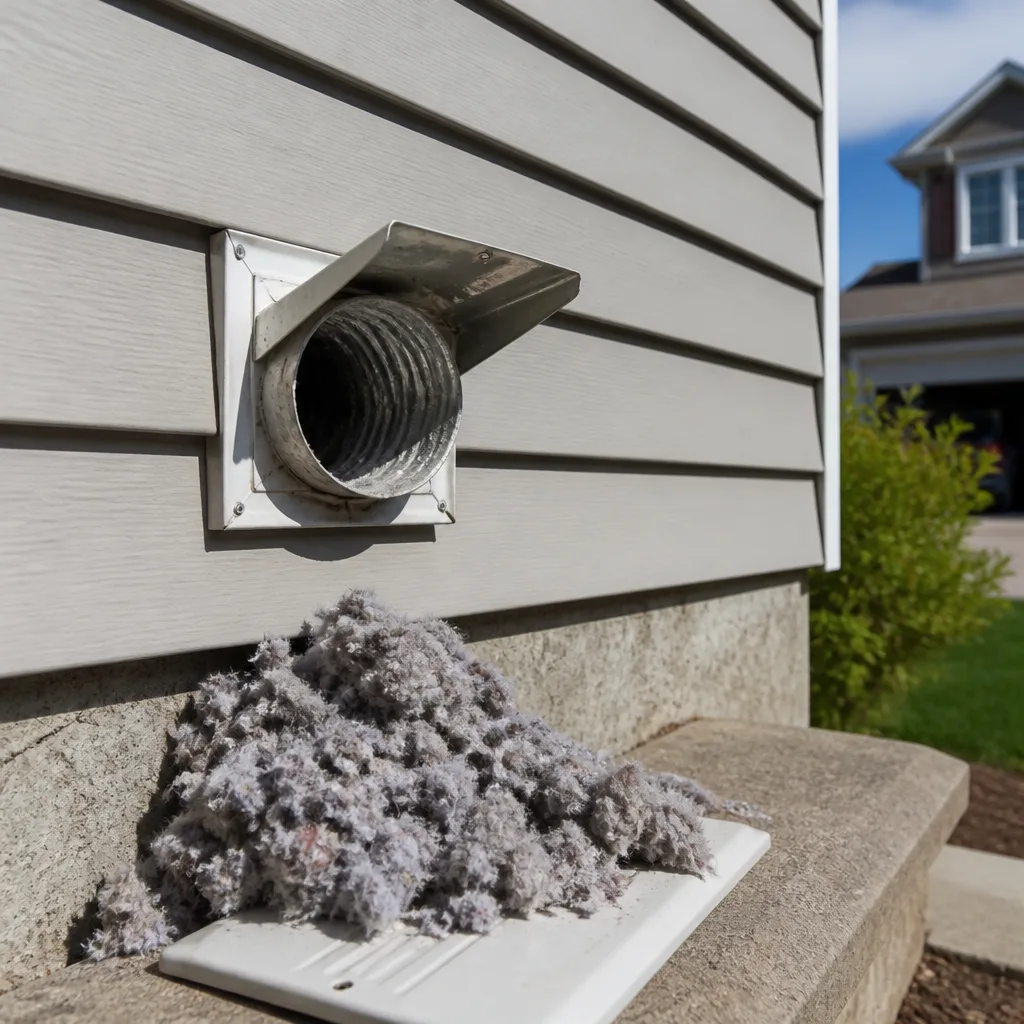 Dryer vent cleaning
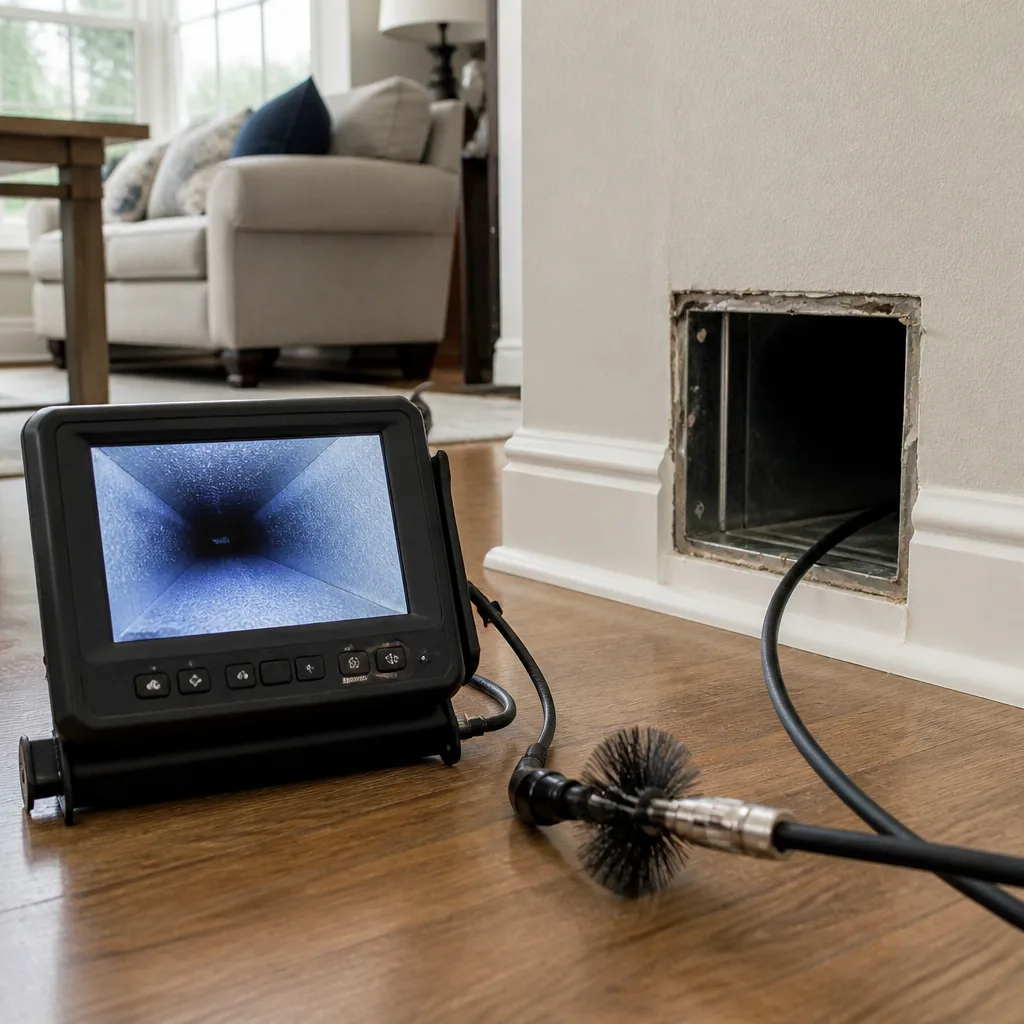 Camera inspection
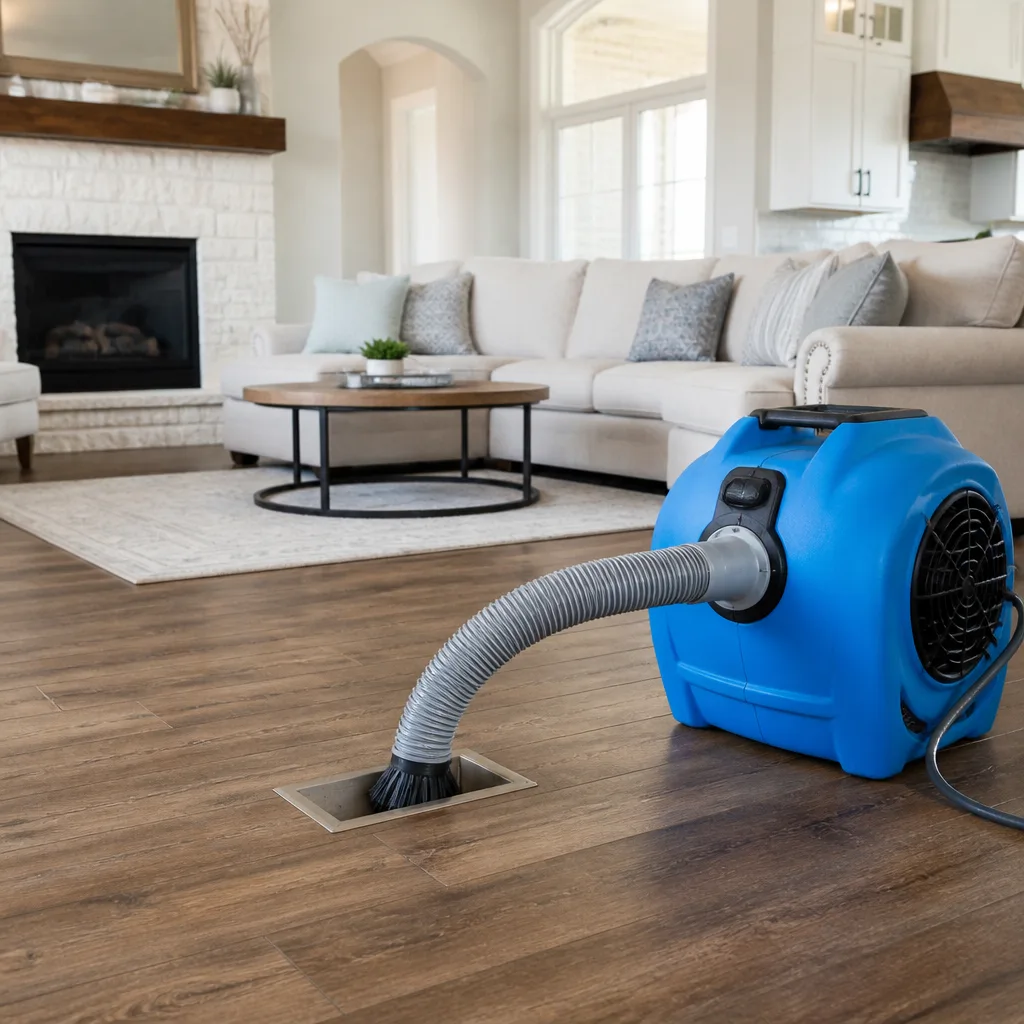 Sanitizing & deodorizing
Whole-system duct and dryer vent check with before-and-after photos - you see exactly what came out of your vents
That "$99 whole-house special" is a bait ad - the real number appears once they are in your hallway, or the "clean" is a shop-vac at the register. We photograph the inside of your ducts before and after instead.
Air Duct Cleaning Maintenance Checklist for Santa Maria Homeowners
If your maintenance checklist doesn’t account for Nipomo Mesa dust events or the June gloom condensation window, it was written for a generic American suburb, not your house. Most duct-care advice floating around online was assembled for a place with four sharp seasons, closed windows, and steady humidity. Santa Maria runs on a different rhythm: dry agricultural dust from the east, smoke that drifts in during fire season, and cool marine-layer mornings that leave condensation in places a national checklist never thinks about. This guide maps duct maintenance to the way Santa Maria actually behaves month by month, and it draws a clear line between what you can check yourself and where professional equipment has to take over.
Quick Answer
For most Santa Maria homes, a professional duct cleaning every two to three years is the right baseline, with filters checked monthly and changed every one to three months depending on dust and smoke exposure. Between professional visits, homeowners should visually inspect registers and grilles monthly, watch for new dust patterns, and call sooner after a heavy smoke event or if anyone in the house notices a persistent musty smell. The full checklist below breaks those intervals down by season.
Styles & brands we work with
- Whole-home duct cleaning
- Dryer vent cleaning
- Camera inspection
- Sanitizing & deodorizing
Table of Contents
- Why a Santa Maria Duct Checklist Looks Different
- The Month-by-Month Seasonal Checklist
- How to Self-Inspect Registers and Grilles
- Filter MERV Ratings for Santa Maria Homes
- DIY Upkeep Versus Equipment-Required Service
- Post-Wildfire Smoke Protocol
- The Dryer Vent Checklist Item Most People Skip
- Repair vs. Cleaning: Knowing Which You Need
Why a Santa Maria Duct Checklist Looks Different
Santa Maria’s climate puts three specific pressures on a duct system that a generic checklist ignores. First, the valley’s agricultural corridor to the east generates dust that moves with the afternoon wind and settles into return-air grilles faster than in a typical suburban setting. Second, wildfire smoke from inland and regional fires reaches Santa Maria during the warmer months, and fine smoke particles ride the same air your HVAC system pulls in every time it cycles. Third, the June gloom marine layer keeps mornings cool and damp before the sun burns it off, and that daily condensation cycle affects how dust clings inside ducts and around registers.
Housing stock matters too. Many Santa Maria neighborhoods built as tract developments during the mid-to-late twentieth century use rigid metal trunk lines with short branch runs and relatively few returns. Those designs move air well when they’re clean but collect debris at the trunk-to-branch junctions where velocity drops. Newer homes on the east side often run flexible duct in attic spaces, and flex duct is more prone to sagging and kinks that trap dust in low spots.
The practical upshot: a checklist built for a Midwest house will tell you to wait until spring thaw. Santa Maria doesn’t have a thaw. It has a dust season, a smoke season, and a fog season, and each one asks something slightly different of your ductwork. When we bring contractor-grade equipment into a Santa Maria home, the first thing we look at is which of those three pressures has been doing the most work.
The Month-by-Month Seasonal Checklist
This calendar is built around Santa Maria’s real weather patterns, not a national template. Treat it as a guide and adjust for what your own house is showing you.
January through March
- Check filters at the start of the month; this is peak season for running the heater, so dust moves through the system faster.
- Look at supply registers for dark streaks around the edges; those streaks often mean air is escaping past a poor seal.
- January and February are good months to schedule a professional cleaning if you haven’t had one in two to three years, since the system gets a fresh start before the dusty spring.
- Listen for rattles or whistling at registers; winter is when airflow restrictions become most audible.
April through June
- Agricultural dust picks up on the east side of Santa Maria in spring. Check filters every two to three weeks during this stretch.
- This is the June gloom window. Cool, damp mornings can leave condensation on exposed ductwork in attics and garages. Look for water staining on insulation or duct wrap.
- Before the cooling season starts, walk the house and confirm every register is open and unobstructed by furniture or rugs.
- If you notice a musty smell when the system first kicks on, note it; that’s a sign worth a professional inspection.
July through September
- Smoke season. Watch local air quality reports and close windows and doors during smoke events.
- After any significant smoke event, check filters immediately and replace if they look grey or feel loaded. See the wildfire section below for the full protocol.
- Keep the return grille clear during peak cooling; blocked returns strain the system and pull dust from odd places.
- Schedule a professional cleaning before winter if you haven’t had one this year, so smoke residue doesn’t sit in the ducts through the cooler months.
October through December
- First cool nights mean the heater runs again. Dust that collected over the dry months now moves. Expect a dusty smell for a day or two and replace filters.
- Check around register boots for gaps; a small gap between the boot and the drywall lets attic or wall-cavity air into the room.
- Dryer vent cleaning fits well in this window, before heavy laundry season. Lint buildup is the leading cause of dryer fires, and the vent is easy to forget.
- Do a full visual inspection of every register and grille (see next section) and write down anything that looks different from last year.
Our technicians have up to 8 years of experience working Santa Maria homes, and the pattern they report most often is this: the east side of town needs filter attention earlier in spring, and homes near the marine layer benefit from a duct inspection in early summer before condensation issues compound.
How to Self-Inspect Registers and Grilles
Monthly self-inspection is the cheapest maintenance you’ll ever do, and it takes about ten minutes. You’re not cleaning anything here. You’re watching for early-warning signs so you know when to call for a proper service.
- Look at the grille face. A light, even dust film is normal. Dark, matted, or greasy-looking buildup on the grille face is a warning that debris is accumulating deeper in the duct.
- Check the edges. Streaks or dark outlines around the grille frame often mean air is leaking past the seal, pulling dust from the wall cavity.
- Shine a light into the duct. Use a flashlight through the grille slots to look at the first six to twelve inches of duct. If you can see visible buildup on the duct walls, it’s time for a professional cleaning.
- Sniff the air when the system starts. A musty, dusty, or smoky smell in the first minute of operation is the system telling you something is sitting in the ducts.
- Watch for puffing dust. Hold a tissue near a supply register when the system runs. A slight flutter is normal. A visible cloud of dust is not.
- Note any new noise. Whistling, rattling, or a change in airflow at one register while others seem fine often signals a blockage or a duct that’s come loose.
- Write it down. Keep a simple log of what you see each month. It helps you spot trends and gives a technician useful information.
What you’re building is a picture of your home’s baseline. Once you know what normal looks like for your house, a change stands out. That’s when you call.
Filter MERV Ratings for Santa Maria Homes
Filter choice depends on where you live in Santa Maria and what your system can handle. Higher MERV isn’t automatically better. A filter your blower can’t push air through will cost more in energy and comfort than it saves in air quality.
MERV 8: The general baseline
MERV 8 handles the ordinary dust load in most Santa Maria homes and works well with standard residential blowers. If you’re west of Broadway or in a neighborhood with less agricultural exposure, MERV 8 is a reasonable starting point.
MERV 11: East-side and agricultural-corridor homes
If your home sits on the east side of Santa Maria, near the agricultural corridor, MERV 11 offers better fine-particle capture during dust events. Check that your blower can handle the higher pressure drop; if airflow drops noticeably at registers, step back to MERV 8.
MERV 13: Smoke season and allergy-sensitive homes
MERV 13 captures smoke-range particles better than lower ratings, and it’s a common choice during fire season. The catch is that MERV 13 filters load faster and restrict airflow more. If anyone in the home has respiratory concerns, it’s worth talking through filter choice with a professional before switching.
Two habits matter more than the rating itself. Change the filter on schedule, not when you happen to think of it. And match the filter size to the filter slot exactly. A filter that gaps around the edges lets unfiltered air bypass it entirely.
We’re authorized to supply and service Honeywell and Aprilaire air-quality products, and when we install a media cabinet or an upgraded filter housing, the point is consistency: the filter fits correctly, seals correctly, and gets changed on a schedule. Cleaner air isn’t a promise; it’s a process, and here’s ours.
DIY Upkeep Versus Equipment-Required Service
This is where most guides go vague. Here’s the line: you own everything up to the grille face. Beyond the grille, professional equipment takes over.
What homeowners can and should do themselves
- Replace or clean the filter on schedule.
- Vacuum the grille face and wipe the frame.
- Confirm every register and return is open and unobstructed.
- Keep furniture, rugs, and curtains away from grilles.
- Log visual inspections monthly.
- Seal obvious gaps around grille frames with appropriate trim or caulk.
- Watch for musty smells and note when they happen.
Where DIY ends
- Reaching into the duct beyond the grille. A shop vac can’t reach the turns and joints where debris collects, and it can damage duct lining.
- Cleaning the trunk line, branch runs, or the blower compartment. These require rotary-brush equipment and containment.
- Sealing duct breaches inside walls, attics, or crawl spaces. This is repair work, and it’s a different job from cleaning.
- Assessing whether a filter upgrade is safe for your blower.
- Determining whether visible dust is from dirty ducts or from a return that’s pulling air from an unconditioned space.
The honest test is this: if you can’t safely reach it, see it, and clean it with the tools in your garage, it’s professional work. Rotobrush and Nikro systems use rotary brushes and HEPA extraction to reach and remove debris that consumer equipment leaves behind. Abatement Technologies negative-air tools keep dust contained in the work area instead of drifting through the house. That’s the point of contractor-class tools: they clean the system without spreading the mess into the living room.
If you want a fuller picture of what a professional cleaning involves, see our page on air duct cleaning, which walks through the process step by step.
Post-Wildfire Smoke Protocol
Smoke events hit Santa Maria differently than dust events. Dust settles fast and stays in the filter. Smoke is fine enough to ride past a standard filter and coat the inside of the duct system, which is why the response has to be more specific.
When to call immediately
- Filter is dark or clogged after a smoke event. If the filter goes grey within a few days of a smoke event, fine residue has moved into the system. Replace the filter and schedule a professional cleaning.
- Smoke smell persists after the air clears outside. If the house still smells like smoke two or three days after outdoor air quality improves, residue is sitting in the ducts or on the blower.
- Anyone in the home has respiratory sensitivity. Allergy sufferers, young children, and older adults are more affected by smoke residue. Don’t wait to see if symptoms fade.
- Smoke entered while windows were open. A single intrusion event can leave a noticeable coating in the returns.
When to monitor
- Outdoor air is still smoky but the indoors stays clear and odor-free.
- Filters look normal a few days after the event.
- No musty or smoky smell when the system runs.
- No one in the home is reporting symptoms.
During a smoke event, keep windows and doors closed, run the system on fan-only to circulate through the filter, and choose a MERV 13 filter if your blower can handle it. After the event, replace the filter and do a visual check on every register. The residue problem and the filter problem are separate, and a new filter doesn’t clean the ducts.
When it’s time for a professional look, our team works across Santa Maria and understands how local smoke patterns affect homes in different areas of the valley.
The Dryer Vent Checklist Item Most People Skip
Air ducts get most of the attention, but the dryer vent is the maintenance item that matters most for fire safety. Lint buildup in the dryer vent is the leading cause of dryer fires, and the vent is easy to forget because it’s out of sight and it works fine until it doesn’t.
Fold dryer vent inspection into your seasonal checklist:
- Monthly: Clean the lint filter after every load. Check the outside vent flap opens freely when the dryer runs.
- Every three to six months: Look at the transition duct behind the dryer for kinks or crushing. Feel the outside vent for lint buildup at the exit.
- Annually: Schedule a professional dryer vent cleaning. This is a dedicated service for us, not an add-on, and it’s the one that addresses the safety risk directly.
Signs the vent needs attention soon: clothes take longer to dry, the dryer feels hot to the touch, the outside vent flap doesn’t open fully, or you notice a burning smell. If you see any of these, stop using the dryer until it’s checked. Our dryer vent cleaning service handles this specifically, with the containment equipment to keep lint out of your laundry room.
Repair vs. Cleaning: Knowing Which You Need
Cleaning is the routine job. Repair is the fix for a problem cleaning can’t solve. Confusing the two leads people to pay for additional cleanings when they actually have a breach, or to live with a leak that keeps filling the ducts with dust.
Signs you need cleaning
- Visible debris in the ducts through a grille.
- Dust puffing from registers when the system starts.
- Persistent musty smell in the first minute of operation.
- Recently finished a renovation or bought a home with unknown duct history.
- It’s been two to three years since the last professional cleaning.
Signs you may need repair
- One room never cools or heats as well as the others.
- Whistling, rattling, or a change in airflow at specific registers.
- Dust streaks around the grille frame that keep coming back after wiping.
- A duct that’s come loose in the attic or crawl space.
- Higher energy bills without a clear cause.
We clean it, then we inspect it, and we fix what others leave behind. That’s why air duct repair is its own service line for us. Cleaning a system that has a breach is a temporary fix at best, because the gap keeps pulling in new dust. Our technicians have up to 8 years of experience and use Abatement Technologies containment tools so repair work in an attic or wall cavity doesn’t spread debris through the house. The full range of what we offer lives on our duct cleaning Santa Maria page.
Common Mistakes to Avoid
- Waiting for a visible dust cloud before calling. By the time dust is obvious at the register, the duct has been loading up for a long time. The monthly visual check catches it earlier.
- Upgrading to MERV 13 without checking blower capacity. A filter the system can’t breathe through costs more in energy than it saves in air quality, and it can strain the blower.
- Skipping the dryer vent because the dryer “still works.” A dryer that runs fine can still be a fire risk. Lint buildup is the leading cause of dryer fires, and the fix is straightforward.
- Assuming a shop vac reaches the ducts. Consumer vacuums don’t reach the trunk line or the branch joints where debris actually collects. Professional rotary and HEPA equipment is what reaches those spots.
- Cleaning without inspecting. A cleaning that doesn’t also check for breaches leaves the underlying problem intact. Any service worth the money should check while it cleans.
- Ignoring the east-side dust cycle in spring. Santa Maria homes on the agricultural corridor need earlier and more frequent filter changes in April and May than the national guidance suggests.
- Treating a smoke event like a dust event. Replace the filter, yes, but also check for residue smell in the ducts. Filter changes don’t remove smoke coating from the duct walls.
See the difference
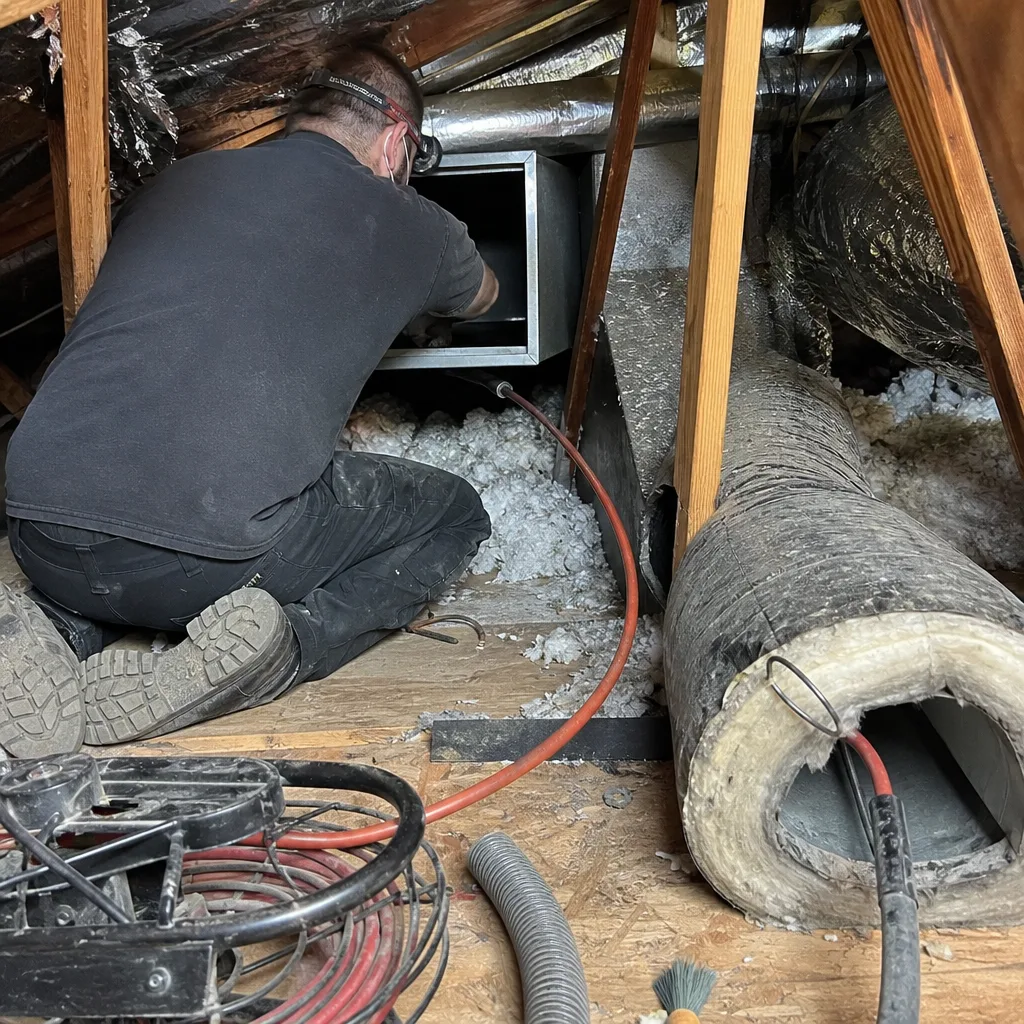 Before
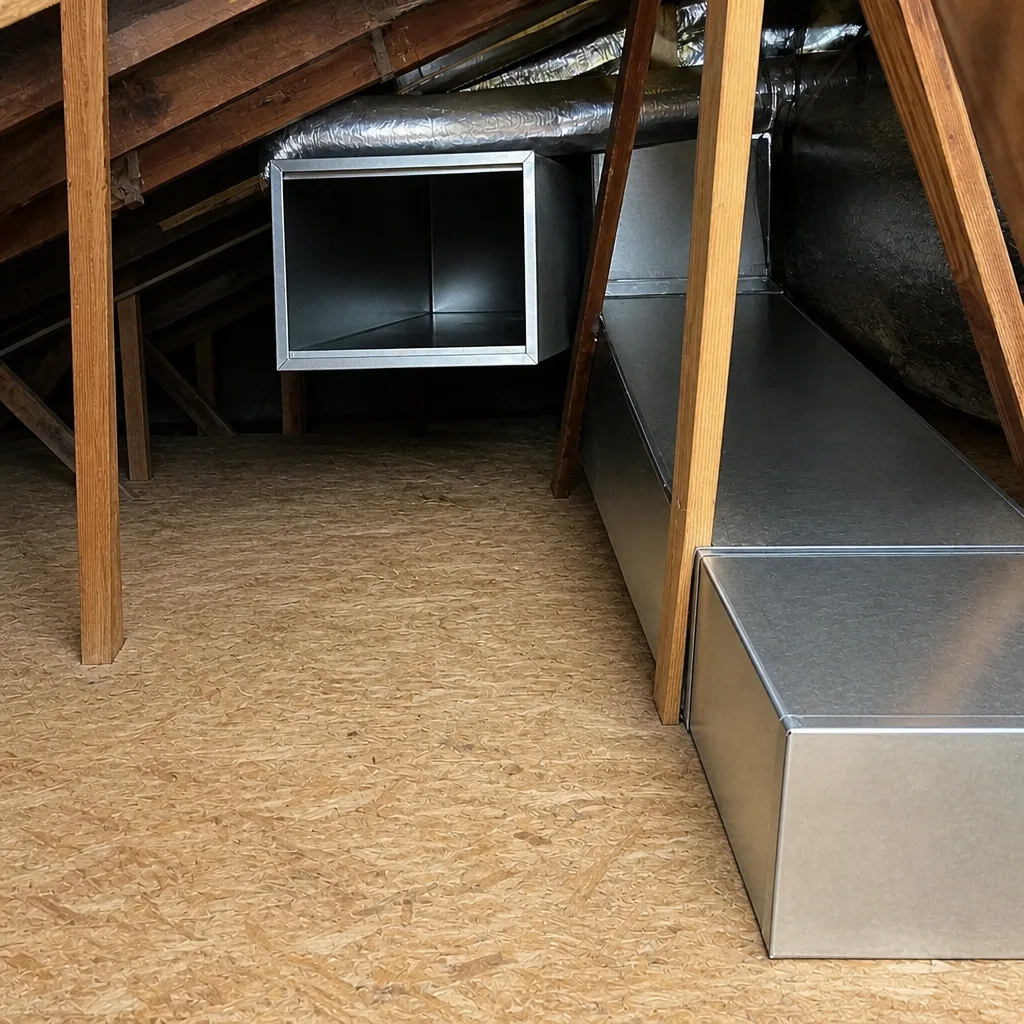 After
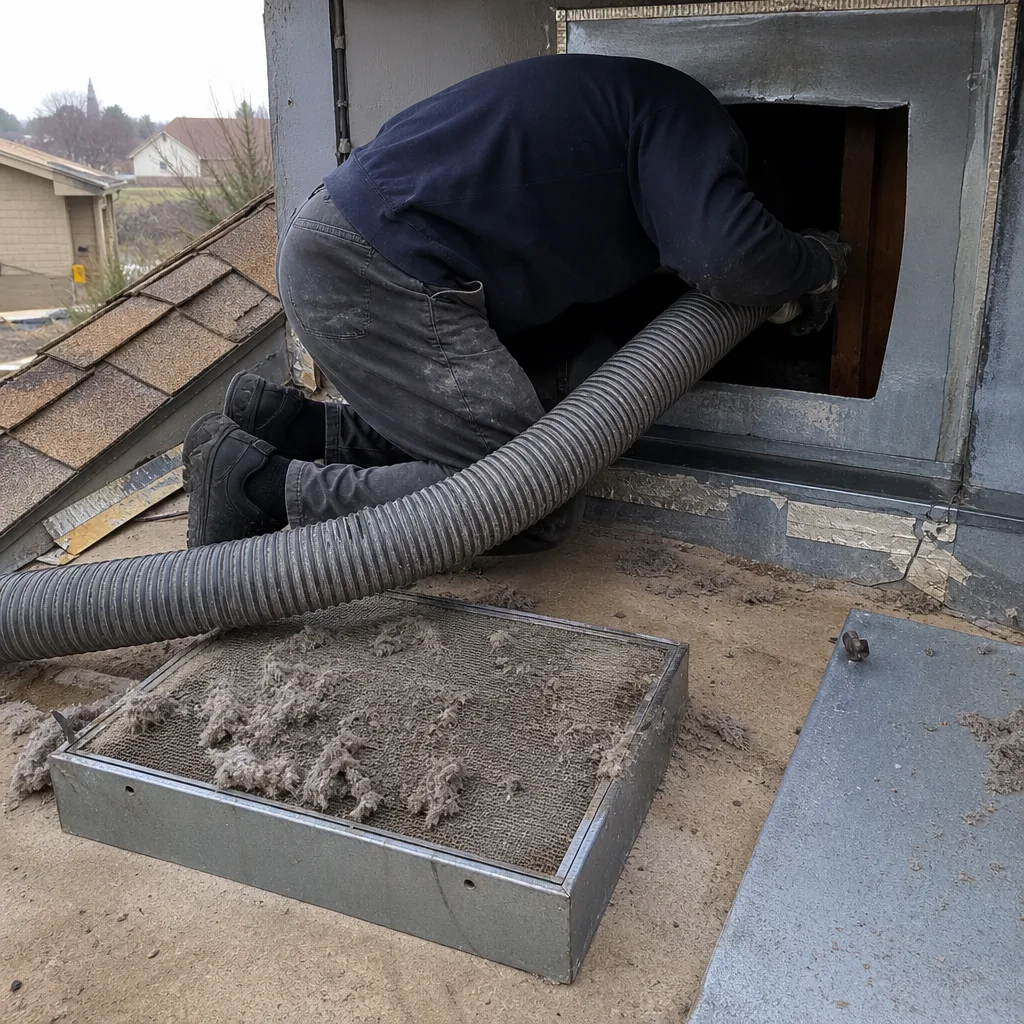 Before
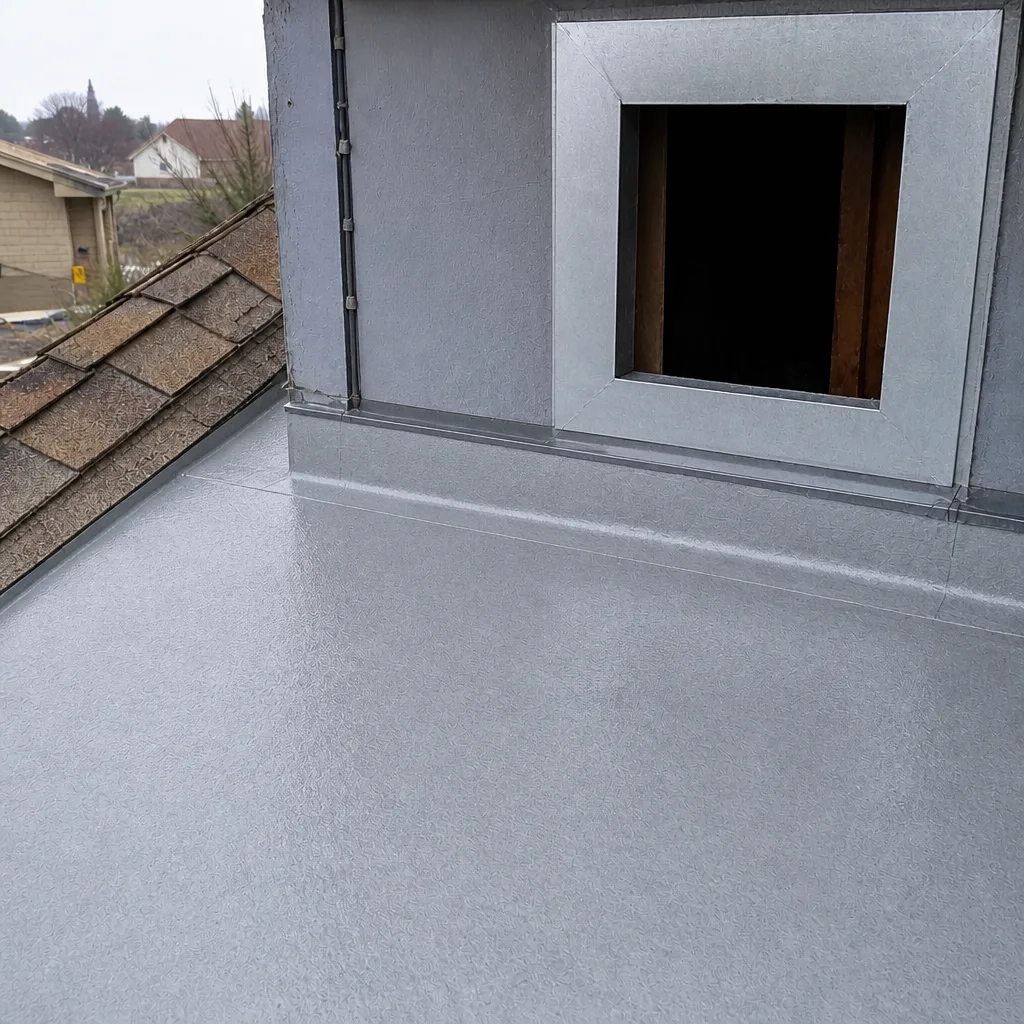 After
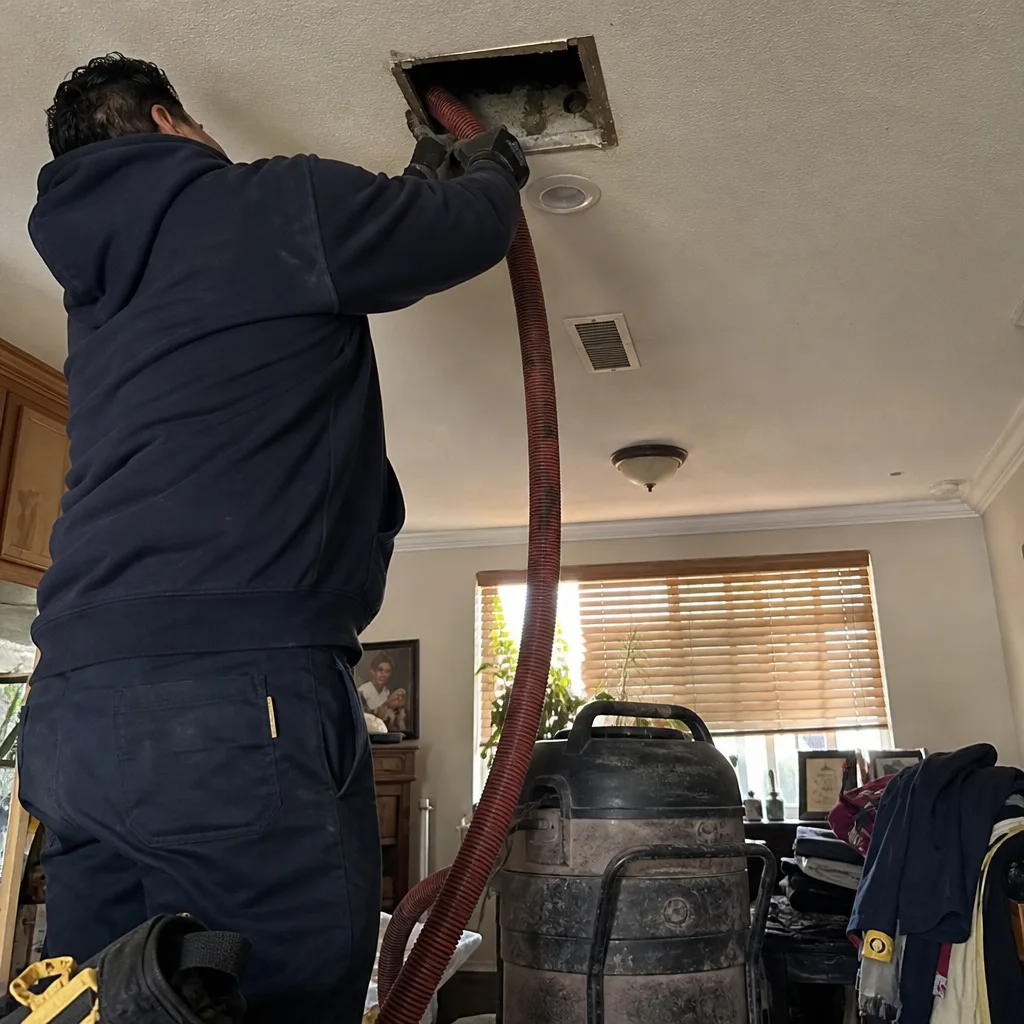 Before
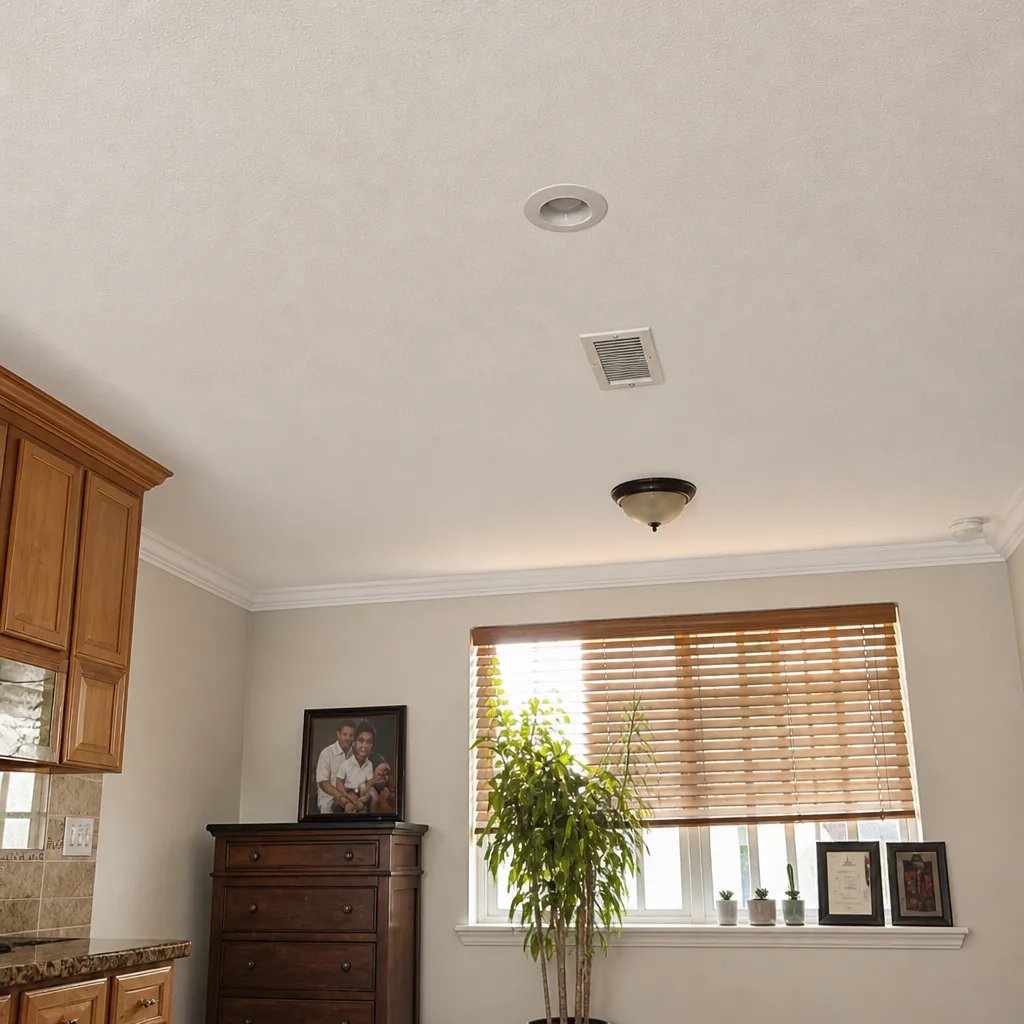 After
When to Call a Professional
Call when you’ve found visible debris in the ducts, when a persistent smell survives a filter change, when a room’s airflow has changed, or when it’s been two to three years since the last cleaning. Call after any significant smoke event if the smell lingers. Call for annual dryer vent service regardless of how well the dryer seems to be working. And call before you make a filter or air-quality upgrade you’re not sure your blower can handle. Duct Cleaning Santa Maria offers free estimates in Santa Maria. Our technicians have up to 8 years of experience, we carry the equipment to do the job properly, and we set one flat price per system agreed before work starts. Call (833) 630-1949. We answer 24/7. Fast dispatch from 7am to 7pm, Sunday through Friday.
Frequently Asked Questions
Every two to three years is the baseline for most Santa Maria homes. Homes on the east side of the agricultural corridor may need it sooner, and any home that’s been through a significant smoke event should get an inspection regardless of the calendar. Call (833) 630-1949 for a free estimate and a straight answer on your specific house.
MERV 8 is a reasonable baseline for most homes, MERV 11 suits east-side homes with agricultural dust exposure, and MERV 13 is the choice during fire season if the blower can handle the extra restriction. The right answer depends on your system, not on a general recommendation. Call (833) 630-1949 and we’ll help you choose.
You should see it. Professional duct cleaning with Rotobrush and Nikro equipment includes before-and-after photos of your own ducts, and we show you what we found and what we changed. If a service can’t show you proof, that’s your answer. Call (833) 630-1949 to schedule.
Cheap quotes often skip the trunk line, avoid containment, and don’t include an inspection. The low number is a surface wipe-down, not a full cleaning. A written estimate that covers the whole system and specifies the equipment is the one worth comparing. Call (833) 630-1949 for an honest estimate.
Replace the filter, check every register for residue, and smell the air when the system starts. If the smoke smell lingers two or three days after outside air clears, call for a professional inspection. Call (833) 630-1949 and we’ll assess whether cleaning is needed.
We don’t quote a per-vent price or a teaser coupon; we set one flat price per system with a written estimate agreed before work starts. That price reflects the actual system scope, containment, and the inspection that follows the cleaning. Call (833) 630-1949 for a free estimate.
The Bottom Line
A Santa Maria duct checklist has to match Santa Maria’s weather, not a national template. That means monthly filter checks with extra attention in spring dust season, a June gloom condensation inspection in early summer, and a smoke-response protocol in fire season that goes beyond a filter change. Do the monthly visual checks yourself, keep a log, and take the dryer vent seriously. For everything past the grille, professional equipment is the only thing that reaches it, and a cleaning should include an inspection and repair if needed. From cleaning to repair, start to finish, we handle all three services: air duct cleaning, dryer vent cleaning, and air duct repair. Call Duct Cleaning Santa Maria at (833) 630-1949 for a free estimate. We answer 24/7. Fast dispatch from 7am to 7pm, Sunday through Friday. Licensed & Insured, one flat price per system, and before-and-after photos of your own ducts.
Written by the team at Duct Cleaning Santa Maria.